


Office Report: Medical Office Defies Broader Sector Cooling
Demographic trends and resilient health-care demand continue to support the segment's growth.
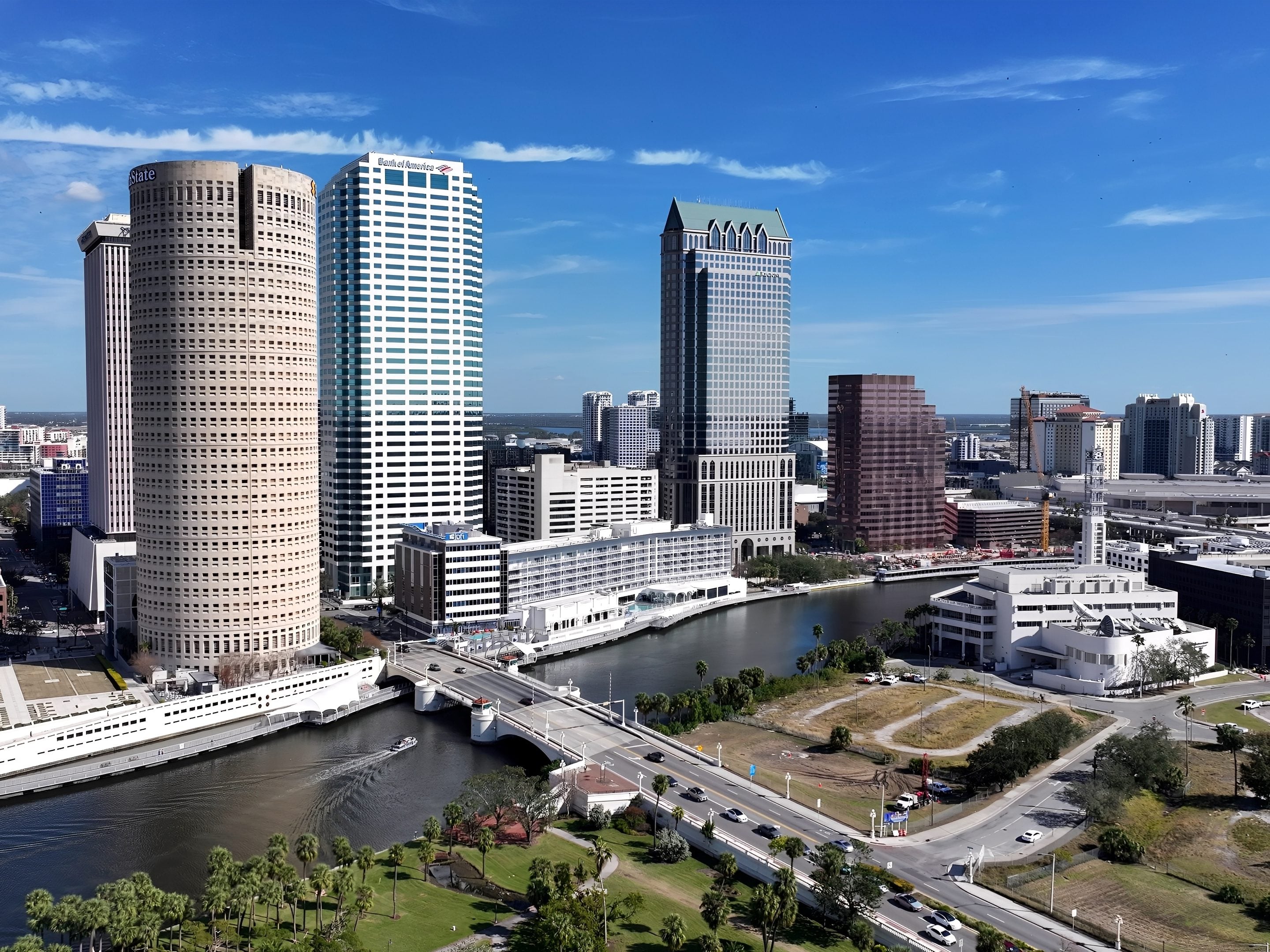
Medical office continues to stand out in the broader U.S. office market as demand for traditional workplace remains subdued, according to the latest Yardi Matrix national office report.
Medical office space demand has remained resilient, supported by the segment’s limited exposure to remote work adoption, favorable demographic trends and endurance during economic uncertainties, despite pressures across the wider office market.
Employment in the education and health-care sectors expanded 2.4 percent year-over-year nationally, compared with 0.3 percent growth experienced for non-farm employment and a 0.3 percent decline in office-using jobs. Health-care positions are generally protected against economic headwinds due to their essential nature and typically requiring on-site physical presence, in contrast to traditional office-using sectors that have been widely impacted by hybrid work policies.
READ ALSO: As Capital Returns, Which Office Deals Will Get Done?
Among the nearly 500 medical office assets sold since 2024 with two transaction prices available for comparison, 67 percent appreciated in value, highlighting investment resilience in the sector. For reference, 52 percent of the office properties sold since 2024 changed hands at higher values.
This trend is particularly evident in markets with aging populations, like Tampa, Fla., where 90 percent of these transactions involved medical office properties selling at higher prices, compared with 71 percent for general office. The trend can also be seen in Fort Lauderdale, Fla. (89 percent medical office, 76 percent general office) and Phoenix (89 percent medical office, 65 percent general office).
Construction activity has also shifted toward medical office. Last year, developers delivered more than 7 million square feet of medical office space—accounting for 16.8 percent of all office completions. Additionally, medical office starts accounted for 26.2 percent of total office starts in 2025—up from11 percent from 2020.
General office development contracted sharply during the last 10 years. Annual construction starts included 11.4 million square feet in 2025—a 73 percent decline. Medical office starts decreased only 9.5 percent to roughly 6 million. As the U.S. population ages and demand for health-care services increases, among other broader medical office real estate trends, the sector is poised for more growth.
The national office vacancy rate stood at 17.7 percent as of July—130 basis points lower year-over-year. Manhattan recorded the lowest rate nationwide at 10.2 percent, followed by Miami (11.6 percent) and Tampa (14.3 percent).
Dallas’ office market posted one of the most notable improvements. The metro’s rate fell to 18.7 percent in July, marking a 420 basis points year-over-year recovery. In June 2026 the Metroplex recorded the first time its office vacancy rate clocked in below 20 percent since late 2023. Coupled with affordable living and business-friendly policies, Dallas is on track for a further recovery across its office sector in the near future.
The national average full-service equivalent listing rate stood at $33.58 per square foot in July—nine cents lower from June and 2.6 percent higher year-over-year. Manhattan remained the country’s most expensive market at $71.95 per square foot, followed by San Francisco at ($63.41) and Miami ($60.33).
Development dwindles as capital keeps moving
As of July, the national under-construction pipeline comprised 29.5 million square feet, representing 0.4 percent of existing stock. During the first seven months of 2026 developers completed 13.1 million square feet of space.
Boston led with 3.4 million square feet underway, followed by Manhattan with 2.9 million and Dallas with 2.8 million. Miami ranked fourth with 1.3 million square feet under construction, despite a 13.6 percent year-over-year decline.
Investment activity totaled $36.4 billion across 1,576 transactions through July, with office properties trading for an average of $198 per square foot. Manhattan led with nearly $5.2 billion in sales, followed by Dallas at $2.9 billion and the Bay Area at $2.6 billion.
You must be logged in to post a comment.