


CPE Asks: Can Jacksonville Turn Port Upgrades Into Industrial Momentum?
JAXPORT’s chief commercial officer on the city’s logistics advantages, infrastructure improvements and what they could mean for investors.
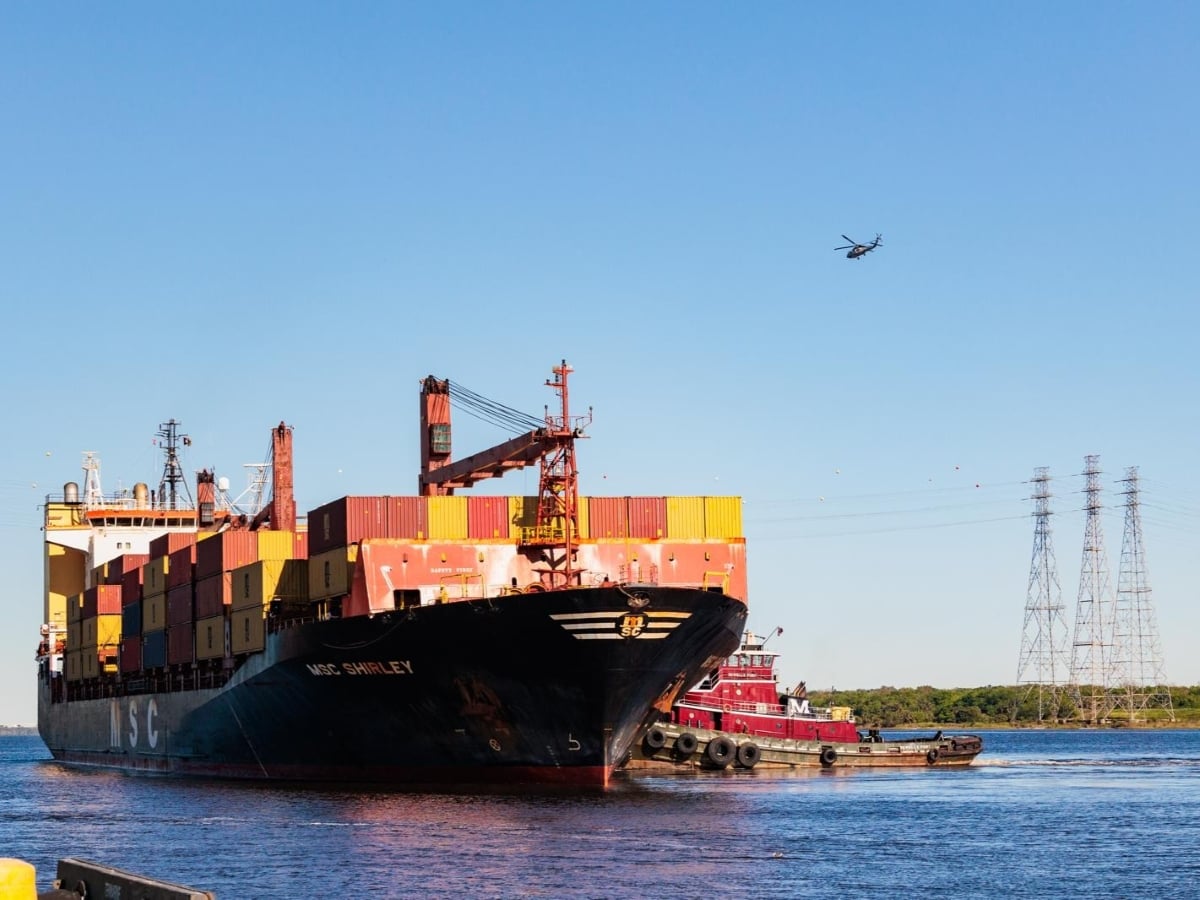
Jacksonville’s industrial market is no longer moving at the breakneck pace that reshaped many Sun Belt logistics hubs over the past few years. Vacancy remains above 10 percent, net absorption turned negative in the first quarter and new development has slowed, with a recent CBRE report pointing to a market that is still working through excess space.
Yet, Jacksonville’s logistics story has not lost its allure. As the industrial market rebalances, the more pressing question is not simply how much space needs to be absorbed, but what still gives the market a competitive edge—and how much port infrastructure and connectivity can influence that equation.
In this interview with Commercial Property Executive, Robert Peek, chief commercial officer with the Jacksonville Port Authority discusses where the metro stands in the Southeast logistics landscape, how the recent and upcoming improvements to JAXPORT’s infrastructure are shaping industrial investors’ decisions and why those upgrades could support the market in a softer cycle.
READ ALSO: Does Industrial Demand Foreshadow New Development?
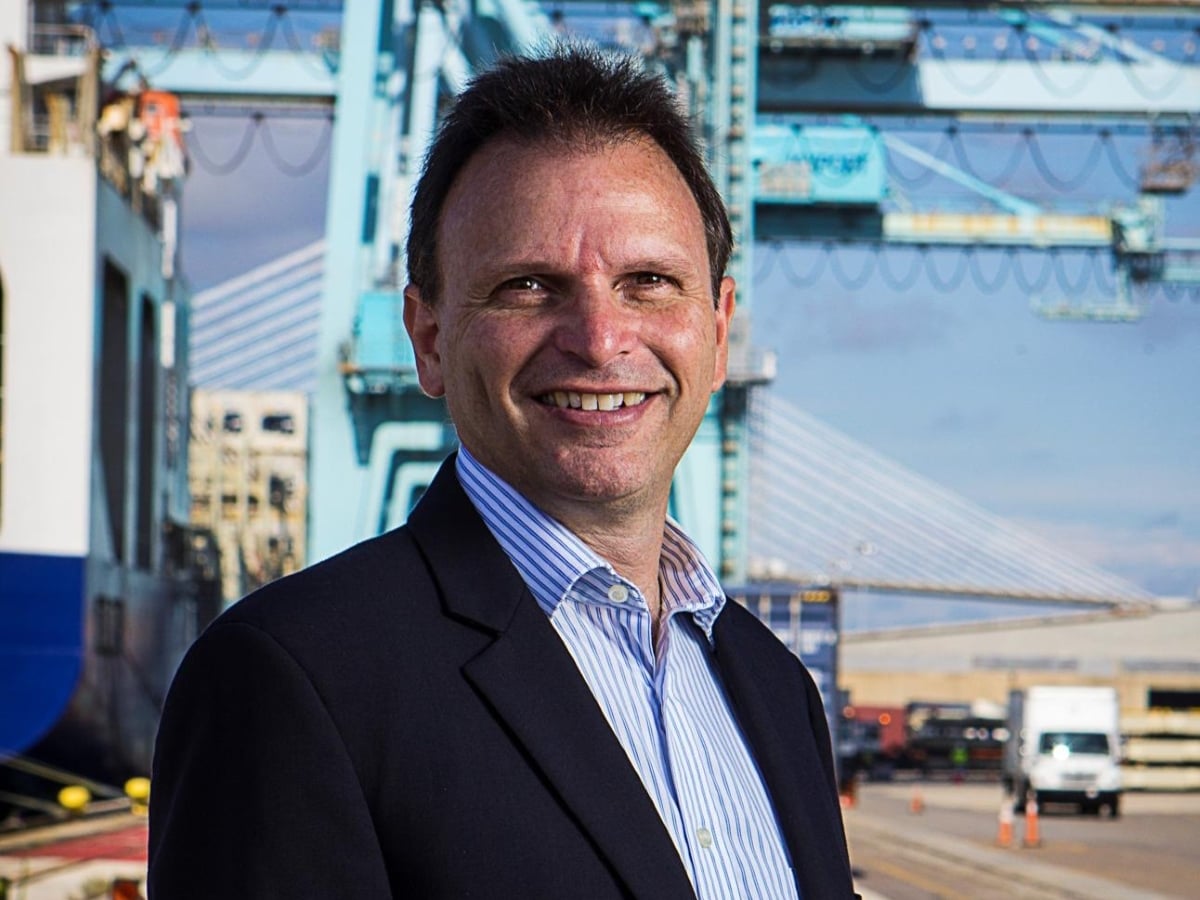
What continues to make the Jacksonville market compelling from a logistics standpoint?
Peek: There are many factors that go into a company’s decision to include Jacksonville in their logistics operation, but two of the most compelling reasons are the port’s continued infrastructure investments and the city’s geographical advantage.
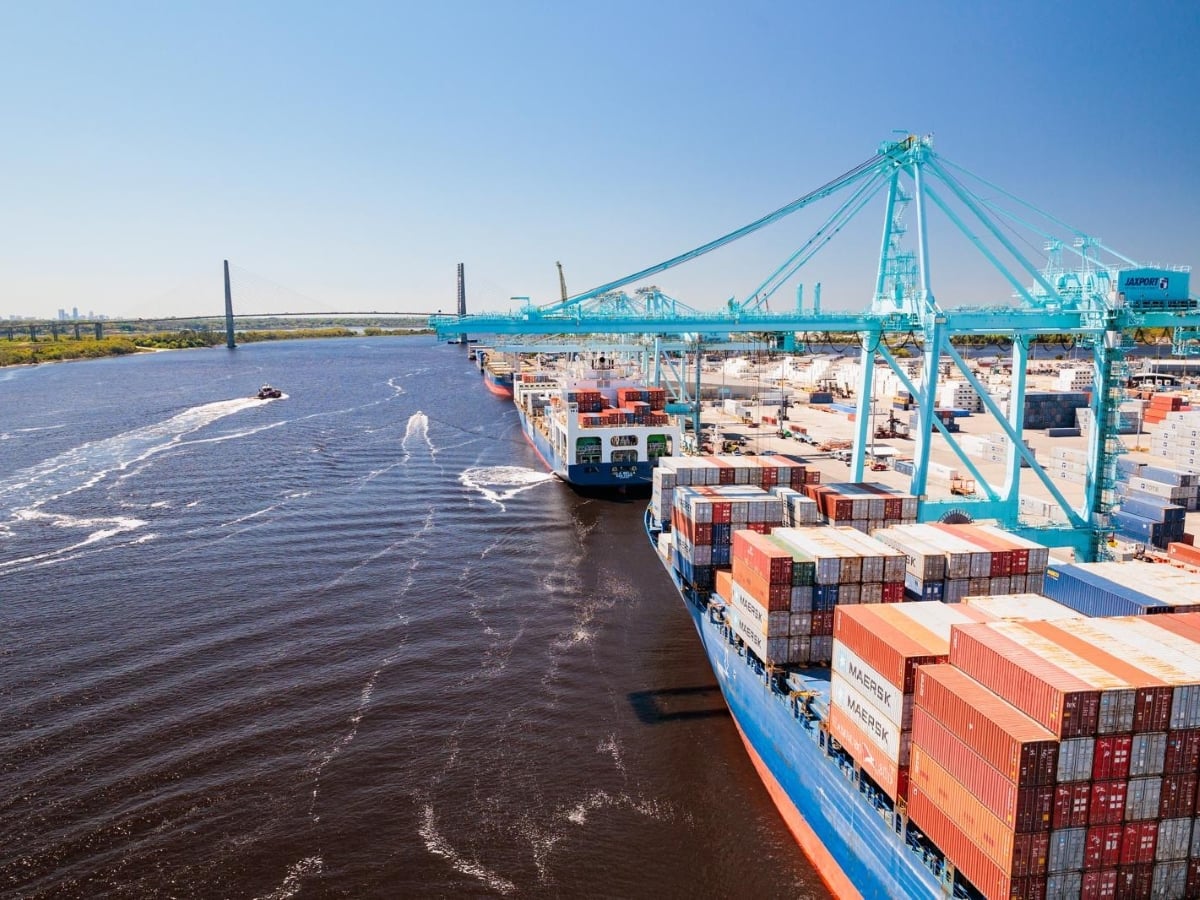
Over the past five years, more than $3.1 billion in investments have been made in Northeast Florida’s transportation network, including roadways, rail and port infrastructure. Some of those investments specific to JAXPORT include the 47-foot harbor deepening project, increasing the air draft to allow larger ships to utilize the deeper harbor, and the modernization of the SSA Jacksonville Container Terminal, as well as berth upgrades and the addition of new cargo handling equipment. Combined, these upgrades have transformed Jacksonville into one of the most efficient and capable port cities on the U.S. East Coast.
Our location is another key advantage, as more than 98 million U.S. consumers live within a one-day drive of our port. Florida is the nation’s third most populous state and Jacksonville offers a highly efficient and capable option to reach those consumers.
When users evaluate Jacksonville as a logistics location, which advantages do you think tend to carry the most weight in their decisions?
Peek: First is our proximity to key markets. Jacksonville is located at the northern gateway of Florida, and with the state’s population expected to grow to more than 28 million by 2040, Jacksonville helps shippers quickly reach that growing customer base.
The second is our excellent transportation ecosystem. Two major interstates intersect in Jacksonville. I-95 runs from Maine to Miami, and I-10 runs from Los Angeles to the East Coast. On the rail side, we are served by three major rail carriers—CSX, Norfolk Southern, Florida East Coast Railway—and offer our own ICTF for intermodal moves between our largest cargo terminals and hinterland points to the north and west.
Because of our outstanding location and transportation network, many customers find total landed costs to be lowest via JAXPORT, particularly for customers trying to reach markets from Orlando, Fla., to Atlanta.
And finally, the ability to provide a skilled workforce is often key to the decision-making process. Northeast Florida features a highly trained labor force of more than 881,000 workers. Many of these workers come with educational and technical backgrounds, as the region is home to several universities, colleges and major military installations, strengthening our talent pipeline.
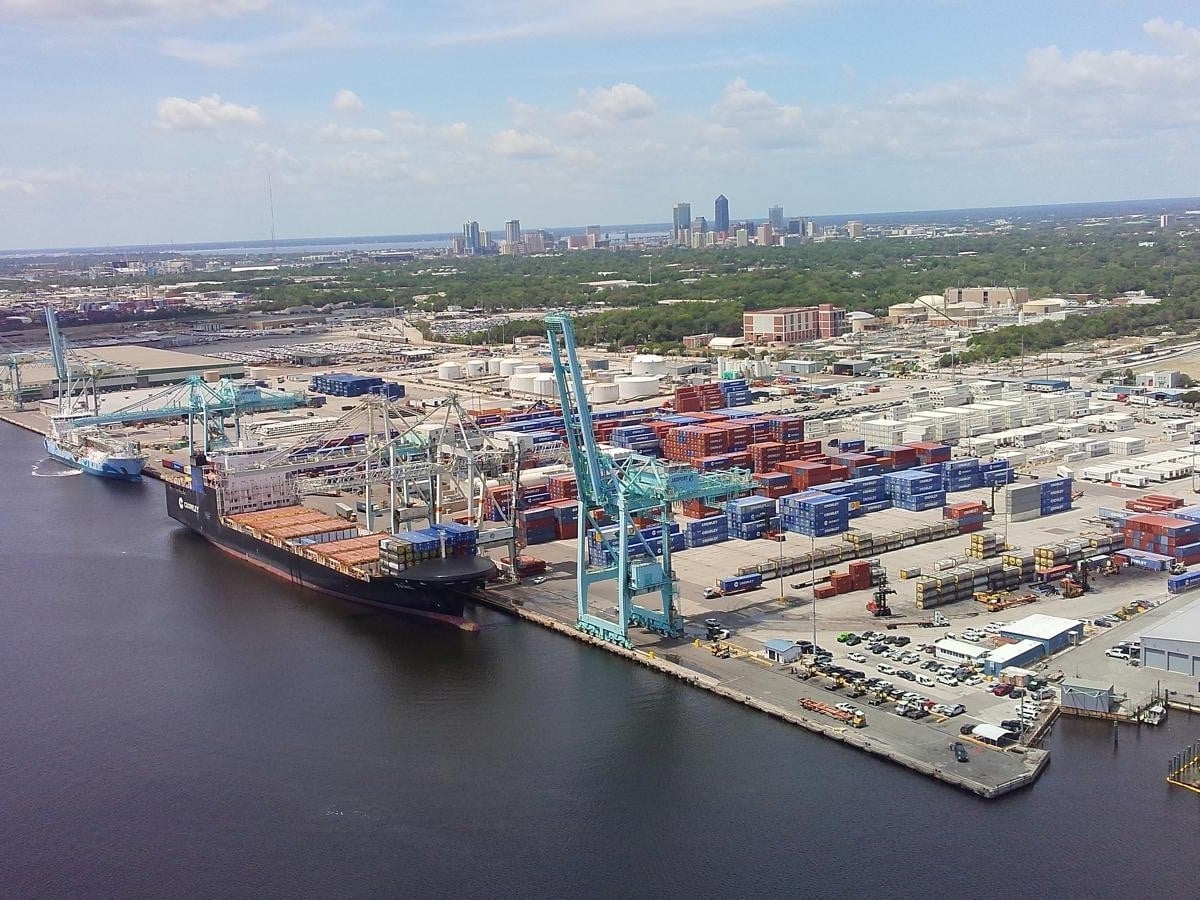
To what extent are port infrastructure and connectivity shaping the broader industrial real estate story in Jacksonville?
Peek: The growth of Jacksonville’s industrial real estate market over the last decade has been closely tied to continued investment in port infrastructure and connectivity. The harbor deepening project was a major catalyst, and since its completion we’ve continued modernizing the port to accommodate evolving shipping demands and larger vessels.
Recent enhancements are making Jacksonville increasingly competitive with other major U.S. ports. Once the overhead power line project near Blount Island is complete, the port will be able to service vessels carrying up to 18,000 TEUs, up from the current 15,000-TEU capacity.
Those infrastructure investments are directly influencing industrial development patterns across the region. Cargo owners, distributors and logistics companies are increasingly establishing warehousing and distribution operations near the port to improve efficiency and reduce transportation costs. Industrial hubs such as Westlake Industrial Park and Imeson Park have seen significant growth alongside port expansion, with companies including Frida, Primark and Sam’s Club establishing distribution operations there.
How does JAXPORT fit into that broader story today, particularly as companies weigh where to move cargo and where to grow?
Peek: Today, companies are evaluating supply chains through the lens of cost, speed, reliability and long-term growth potential. JAXPORT fits into that broader story by offering strategic advantages that help companies achieve all four. …
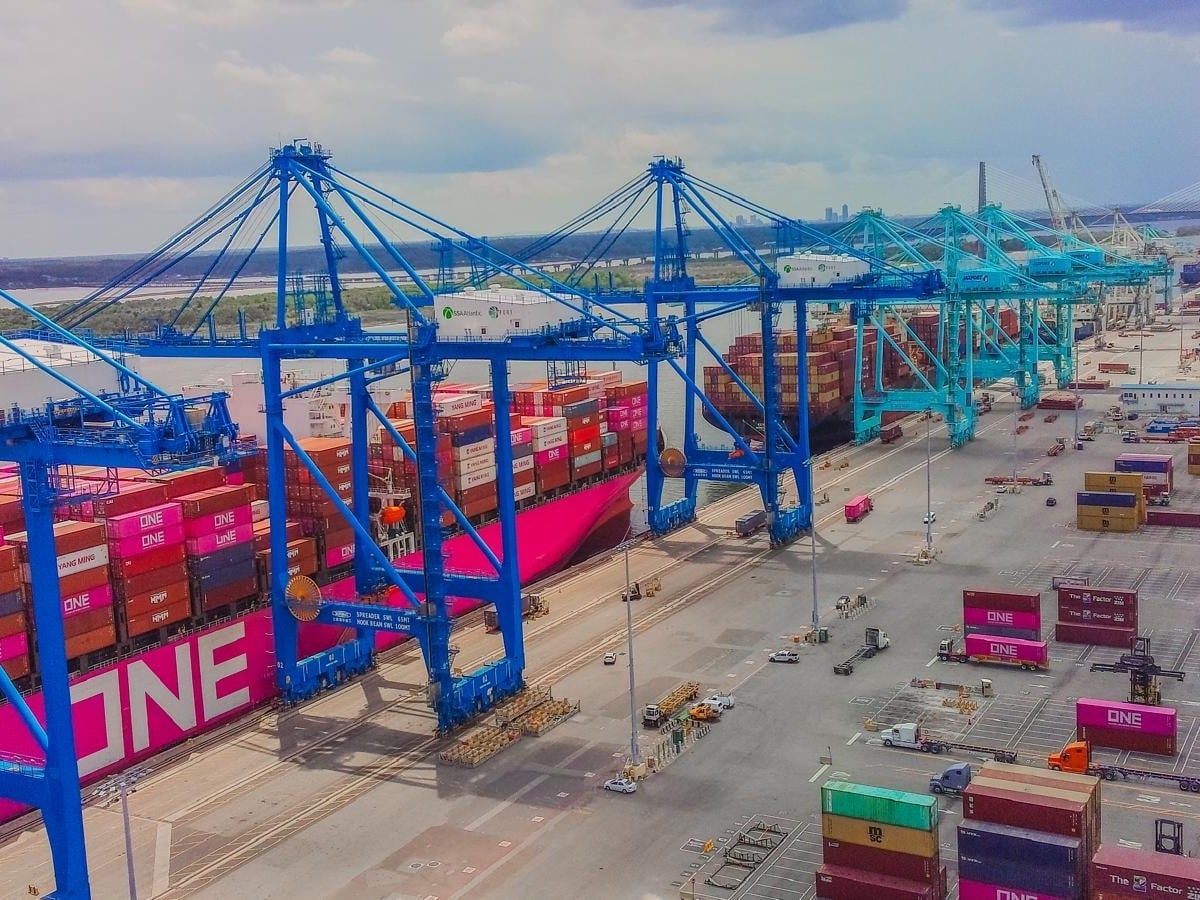
As shipping patterns and distribution strategies continue to evolve, many companies are looking for ports that can serve not only as a gateway for cargo, but also as a long-term logistics and growth partner.
That’s where JAXPORT can be a resource. We work with companies to identify supply chain solutions that reduce transit times, improve efficiency and support business expansion. For many cargo owners, distributors and retailers, Jacksonville offers the combination of port infrastructure, real estate availability and transportation connectivity needed to grow their operations successfully.
Which of the infrastructure improvements you recently made do you think are most meaningful to the market’s competitive position today?
Peek: The most meaningful infrastructure investments at JAXPORT comprise a collection of projects to modernize the port. These projects have significantly strengthened Jacksonville’s competitive position in the global shipping and logistics market and include a series of investments to improve our container and vehicle-handling capabilities.
On the container side, that modernization package includes the deepening of the federal shipping channel to 47 feet from the sea buoy to Blount Island, renovations to container ship berths, seven new container cranes through public and private investment, a container terminal modernization project featuring 97 acres of newly paved asphalt and a redesigned gate system, and the ongoing project to raise overhead power lines near the port’s Blount Island terminal. Collectively, these investments are transforming JAXPORT’s ability to handle larger vessels, move cargo more efficiently and support continued growth in international trade.
On the vehicle side, the port recently extended an existing auto berth at Blount Island to accommodate larger vessels than it could previously serve. Additionally, JAXPORT is adding another vehicle berth at the terminal that will be available for use in early 2027.
Also at Blount Island, one of the port’s vehicle processors—that previously operated at the port’s Talleyrand terminal—opened a new 380,000-square-foot vehicle processing facility, expanding the terminal’s capacity to process, accessorize and distribute vehicles across the Southeast. Built for efficiency, the facility can process approximately 4,000 vehicles per week—nearly double the previous capacity—and supports more than 400 full-time jobs, with 95 percent of the workforce hired locally.
At Talleyrand, another terminal operator is expanding into vehicle processing and finished vehicle logistics on newly available terminal space vacated by the previous processor, while also growing its breakbulk operations.
What makes these projects especially meaningful is that they work together as an integrated system. The deeper harbor, upgraded berths, expanded container and auto capacity, modernized terminal operations and improved vessel access all create greater efficiency for shipping lines, cargo owners and logistics providers, which ultimately strengthens Jacksonville’s broader industrial and distribution market.
How do you see the relationship between port activity and industrial demand evolving across the broader Jacksonville market, not just in port-adjacent locations?
Peek: There is a strong synergy between port growth and industrial development across the broader Jacksonville region, and that relationship continues to expand well beyond port-adjacent locations.
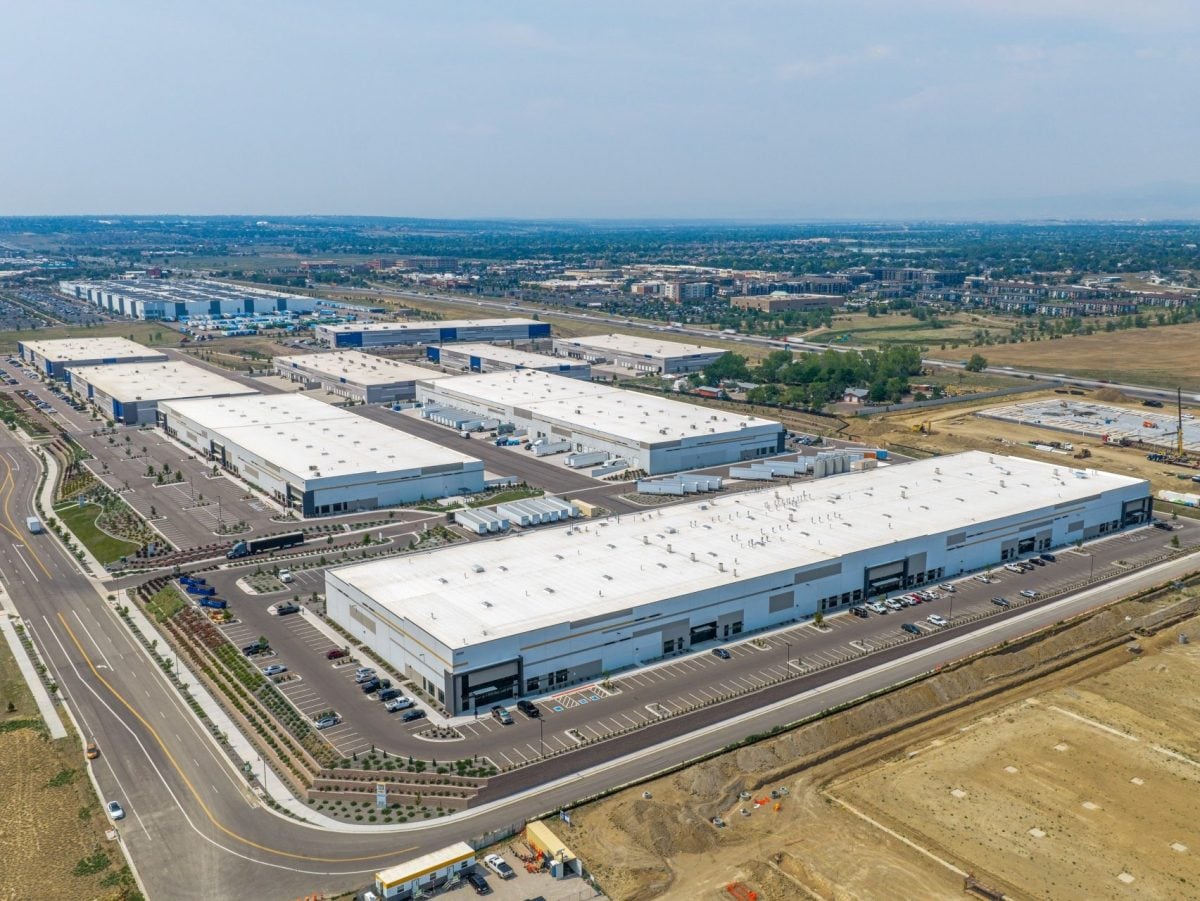
While JAXPORT serves as a major economic driver, most of the industrial growth in Jacksonville has actually occurred off port property. Companies are drawn to the region because Jacksonville offers a combination of strategic logistics advantages, lower operating costs compared to many competing markets and significant room for expansion. As the largest city by land area in the lower 48 states, Jacksonville provides ample space for developers, manufacturers, distributors and retailers to establish or grow their operations.
As port activity grows, the ripple effects extend throughout the regional industrial market. Companies that rely on imports and exports increasingly view Jacksonville as a place where they can efficiently reach domestic and international customers while also benefiting from available land, transportation connectivity and a business-friendly environment. That dynamic is helping drive demand for warehousing, manufacturing and distribution, supporting commercial development across the entire market, not just near the terminals themselves.
READ ALSO: Emerging Industrial Markets in the US
As the industrial market continues to work through higher vacancy, what factors could help Jacksonville strengthen its position over the next 12 to 24 months?
Peek: One of the biggest factors that could strengthen Jacksonville’s industrial market over the next 12 to 24 months is the continued growth and competitiveness of JAXPORT’s cargo operations.
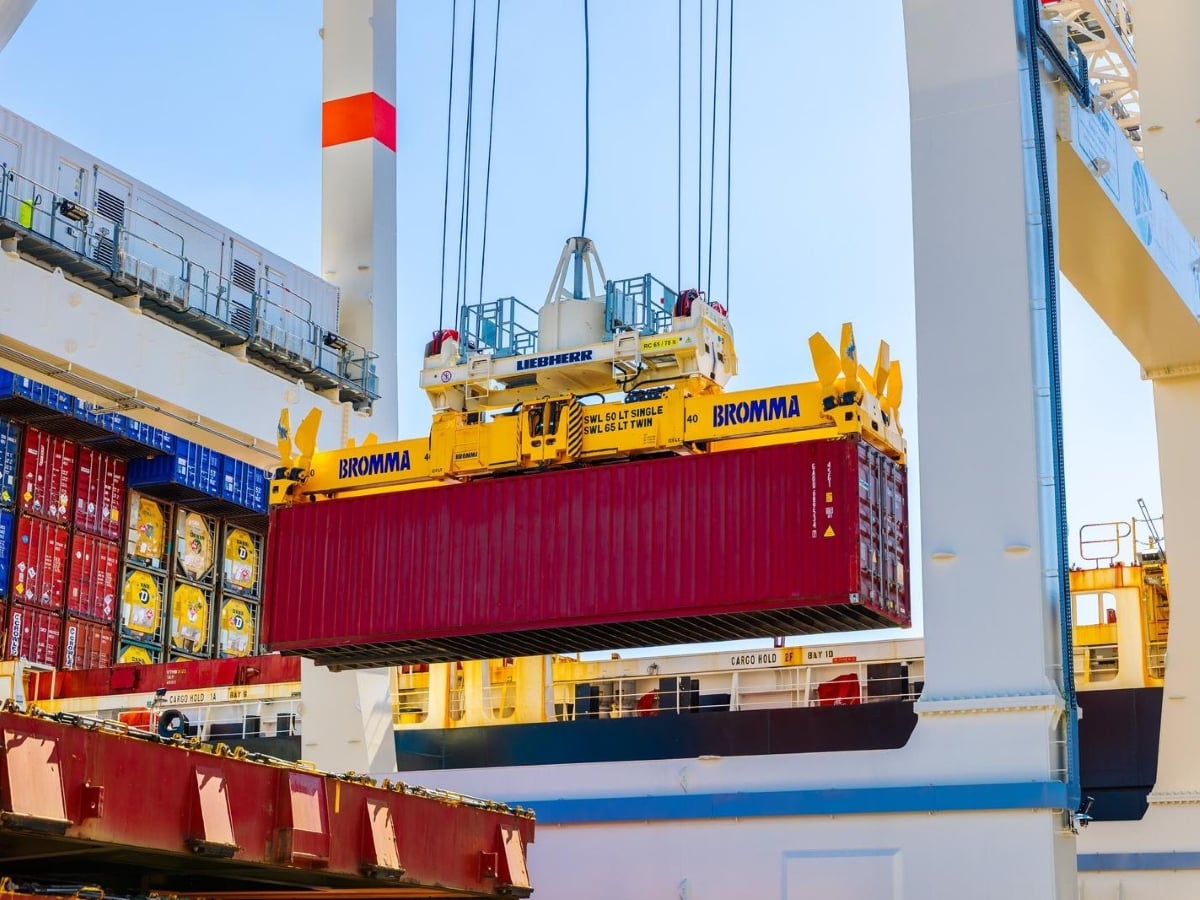
Once the overhead power line project is complete, larger vessels will be able to access JAXPORT’s 47-foot deepwater terminal, increasing the port’s capacity to handle ships carrying up to 18,000 TEUs. That added capability further strengthens Jacksonville’s position as Florida’s largest container port and creates additional opportunities for cargo volume growth.
As more companies evaluate their supply chains, Jacksonville is increasingly well-positioned to offer a combination of port access, available industrial space, transportation connectivity and lower operating costs relative to many competing markets. The more companies that identify Jacksonville as the right fit for their logistics and distribution needs, the more cargo volume moves through the port, and that growth creates additional demand across the broader industrial market.
Over time, increased port activity can help drive absorption by attracting more warehousing, manufacturing, distribution and logistics users to the region. The connection between cargo growth and industrial demand is closely linked, and Jacksonville’s continued infrastructure investments position the market well for long-term growth.



You must be logged in to post a comment.