

How Grand View Arizona Could Shape Buckeye’s Next Chapter
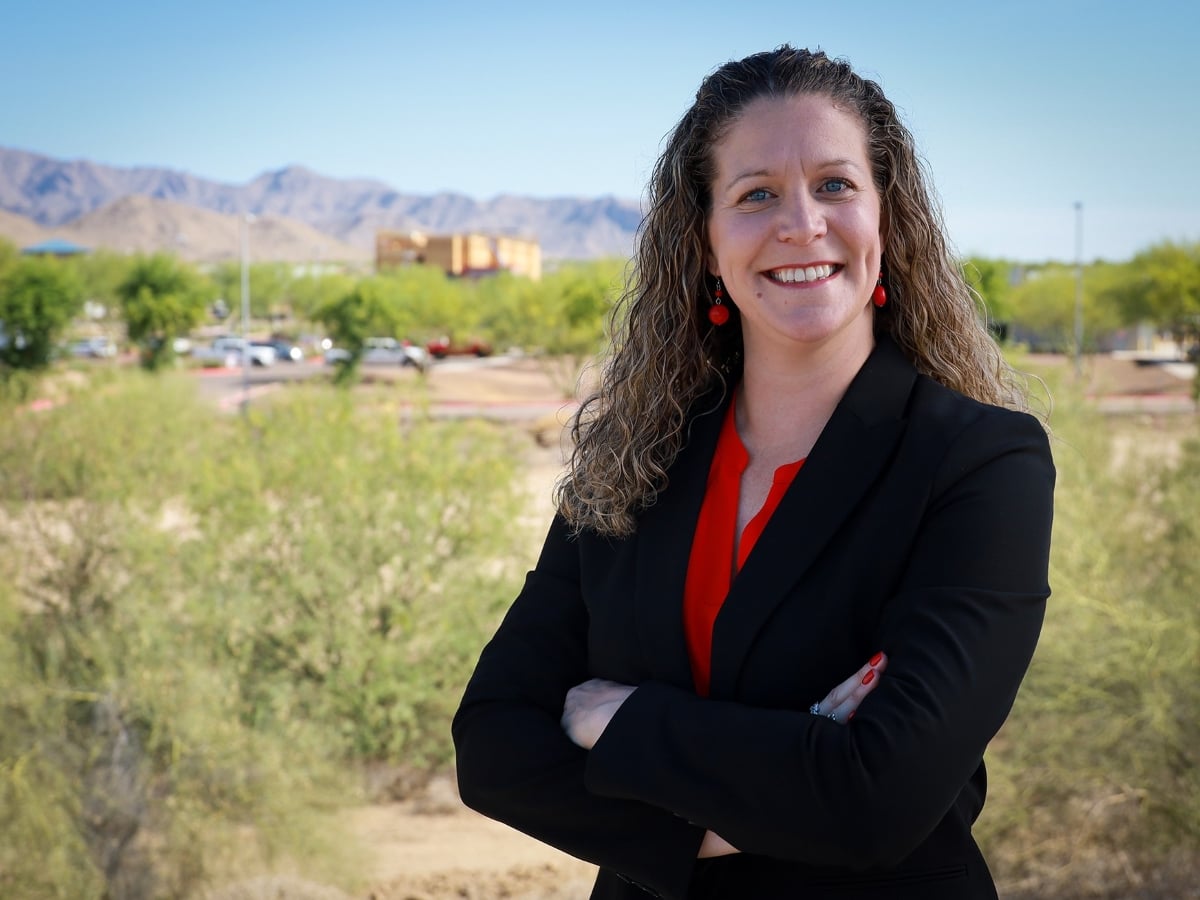
Suzie Boyles, the Phoenix suburb’s economic development director, on the mega-site’s plan to attract large-scale industrial users.
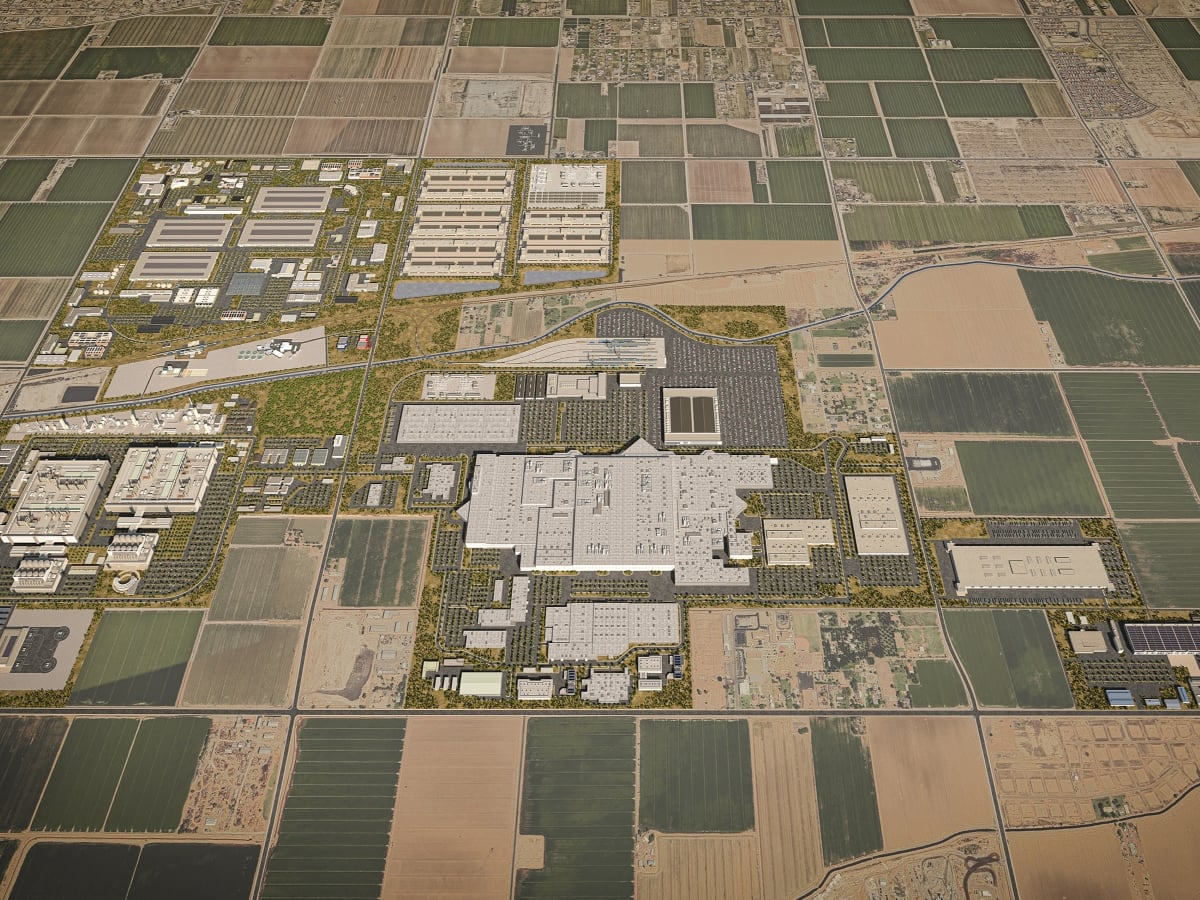
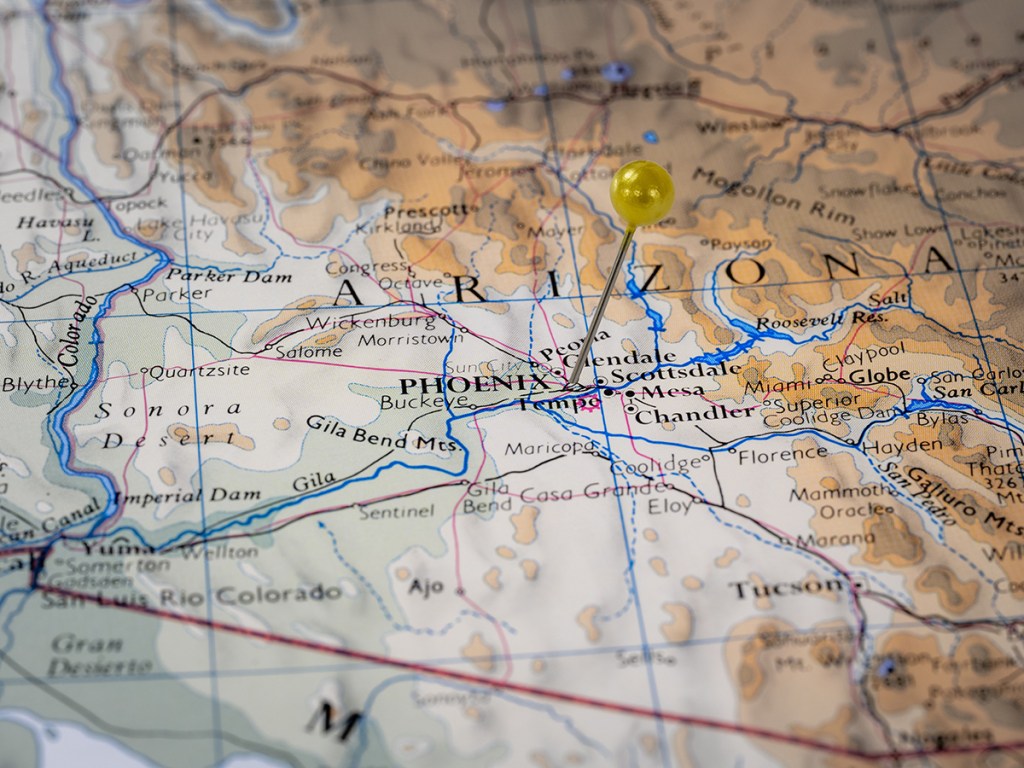
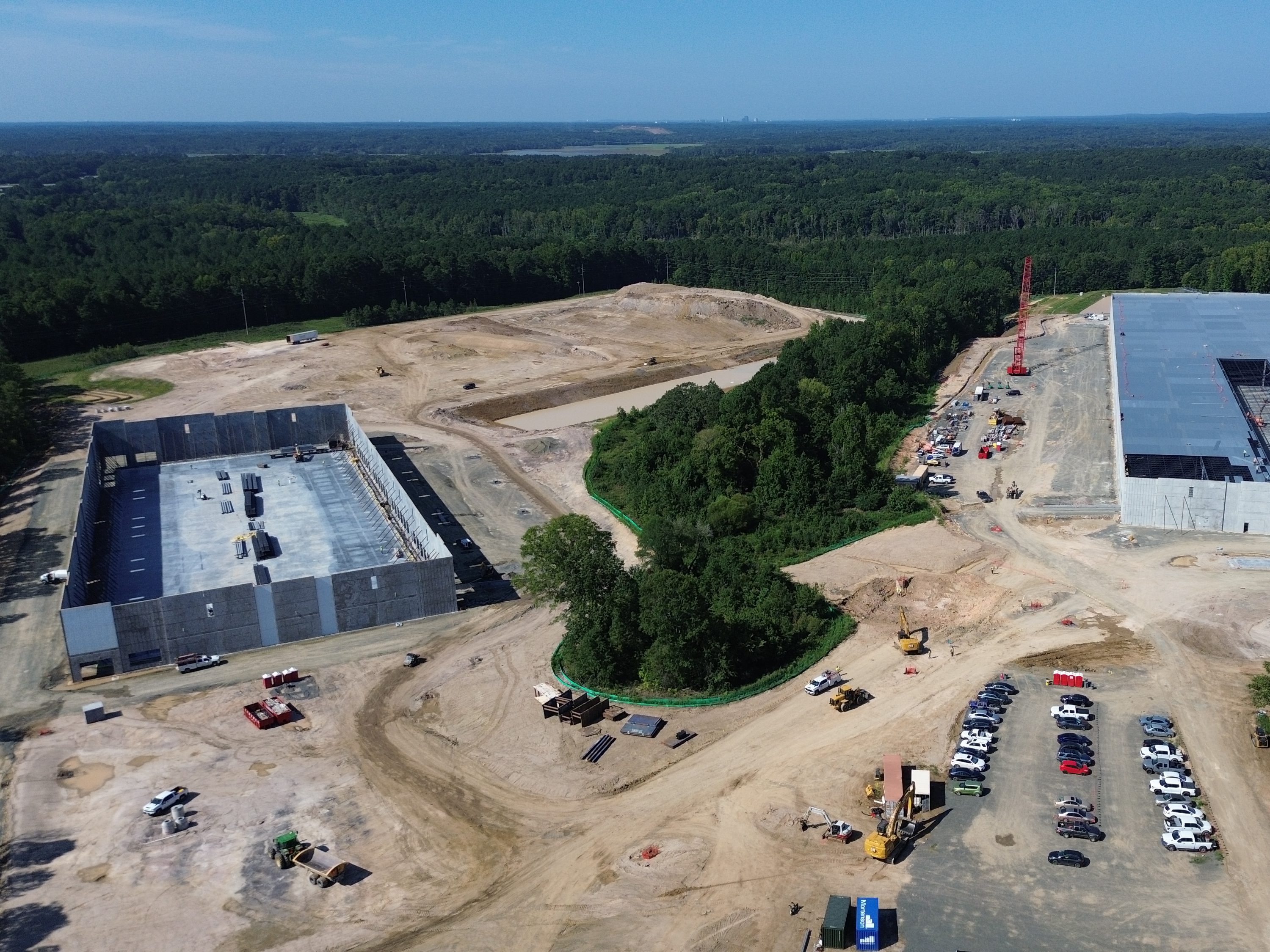
Buckeye, Ariz., is becoming one of Phoenix’s most closely watched industrial growth corridors, with Grand View Arizona among the projects poised to define its next chapter. The 2,500-acre mega-site planned for the former Grand View Dairy property is moving forward in a West Valley market that continues to attract large-scale users even as industrial demand becomes more selective.
The site’s size and location set it apart. Despite being the state’s largest city by land area, Buckeye is only about 16 percent built out, leaving room for projects that would be difficult to accommodate elsewhere in the metro. Located at 5202 S. Verrado Way near Interstate 10, Grand View Arizona has roughly 2.7 miles of Union Pacific rail frontage. Current plans call for 900 acres dedicated to auto manufacturing, 418 acres to semiconductor production, 560 acres to pharmaceutical use, and 310 acres to data centers.
Most of the property was rezoned in April under a Community Master Plan designation, paving the way for a rail-served industrial hub with a potential residential component. Owned by Rexco LLC—an entity linked to the Vanderwey family, a longtime West Valley agricultural family—the project could generate more than $1 billion in economic impact, according to JLL, which is marketing the project.
Commercial Property Executive reached out to Buckeye Economic Development Director Suzie Boyles to discusses how Grand View fits into the city’s next phase of growth.
READ ALSO: Phoenix’s Industrial Market Still a Standout
Buckeye and the West Valley are seeing very large industrial commitments after a period of heavy supply and more selective decision-making. What’s making this part of the Phoenix metro attractive for large-scale projects?
Boyles: At 640 square miles and only about 16 percent built-out, Buckeye is one of the last places in the Phoenix metro with the scale to accommodate true mega-sites. That availability of land, combined with our strategic location along the Interstate 10 and State Route 85 corridors, makes us incredibly competitive.
Companies can reach major markets, including the California coast, within a one-day turnaround, which is a significant advantage for advanced manufacturing and logistics.
One of these mega-sites is Grand View. From your standpoint, what made this the right time to approve a project of this scale?
Boyles: This project has been carefully reviewed over time, with discussions beginning in 2023 and multiple continuations to ensure the right conditions were in place. Ultimately, the alignment between the city and developer on infrastructure, land use and performance expectations made this the right time. Buckeye is at a point in its growth where planning for large-scale employment corridors is critical and Grand View aligns with our long-term vision to bring high-quality jobs closer to where our residents live.
In what ways will it compete with other industrial sites in the metro?
Boyles: Grand View stands out because of its scale, flexibility and long-term planning. Few sites in the region can offer nearly 2,000 contiguous acres with the ability to accommodate a single large “mega-user” or a mix of advanced manufacturing, logistics, aerospace and other major employment uses.
The Community Master Plan zoning also allows for integrated commercial and potential residential uses, which helps create a more complete employment environment. That level of flexibility, paired with infrastructure commitments and potential rail access, gives Buckeye a strong competitive edge.
Please expand on the infrastructure that will support this development.
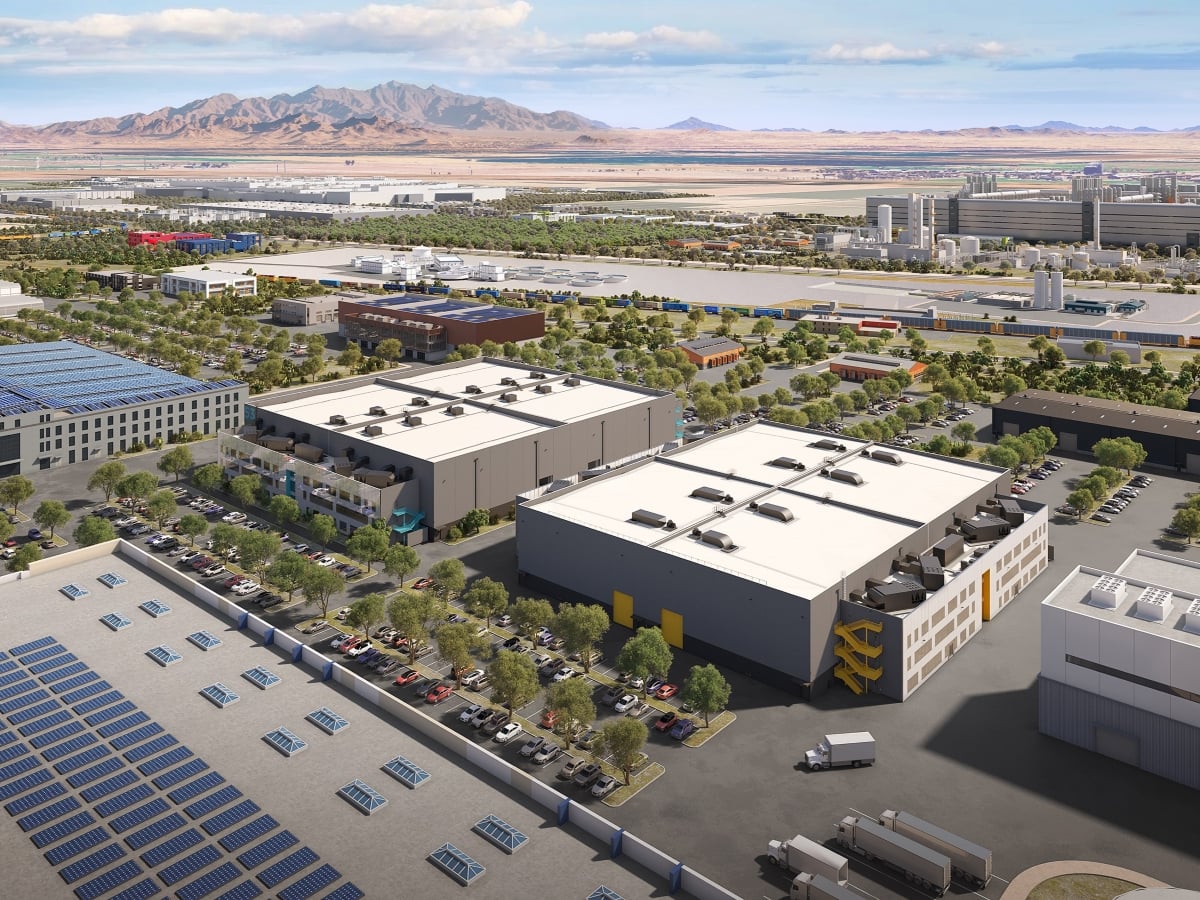
Boyles: Grand View is being planned with infrastructure from the ground up to support large-scale workplace uses. The development agreement requires significant roadway improvements, ensuring strong connectivity to regional corridors. It also includes the construction of a joint police and fire station along Jackrabbit Trail to support public safety needs as the area grows.
Additionally, if the developer utilizes city water and wastewater services, they will be responsible for constructing a new onsite water and wastewater facility that will ultimately be turned over to the city. The site’s rail-served potential, combined with these infrastructure commitments and the future State Route 30 planned nearby, positions it to attract major industrial development.
What’s the expected long-term impact of Grand View?
Boyles: While final job numbers will depend on the end users, a project of this scale has the potential to bring thousands of jobs across industries like manufacturing, logistics, aerospace and technology. It has the potential to become a major employment center not just in Buckeye, but also in the West Valley.
It will also drive major transportation and infrastructure improvements, including roadway enhancements and utility investments. From a planning perspective, the mix of employment, commercial and potential residential uses ensures a balanced, long-term approach to growth.
Perhaps most importantly, the project is designed to expand Buckeye’s tax base in a meaningful way, with incentives tied directly to the generation of significant tax revenue from high-quality employers.
Projects of this scale take years to reach completion. How is Buckeye preparing to support the area’s growth?
Boyles: Buckeye is taking a proactive approach by requiring infrastructure to be built alongside development rather than after the fact. …
In addition, we continue to advocate for state funding and completion of State Route 30 to State Route 85 which will finalize the parallel freeway to I-10, providing not only greater access to Grand View Arizona but also relieving the congestion on I-10.
We’re also coordinating long-term planning efforts to ensure that as development occurs, it is supported by the necessary services and public safety resources to maintain quality of life.
Why do you think Buckeye’s current growth will translate into durable industrial momentum?
Boyles: The key indicator will be sustained job creation and long-term occupancy by high-quality employers in industries like advanced manufacturing, aerospace and technology. We’re also looking at tax base growth, particularly projects that generate significant ongoing revenue rather than one-time construction activity.
The development agreement itself reflects that focus, as infrastructure reimbursements are tied to the developer successfully attracting users that generate at least $10 million in tax revenue. That ensures real, measurable economic impact.
What do developers and large industrial users seem to understand about Buckeye today that they may not have fully appreciated a few years ago?
Boyles: There is a growing recognition that Buckeye isn’t just a future opportunity, it’s a current one. Developers and users now understand the scale of available land, the city’s commitment to infrastructure and planning, and the strategic location within the region.
They also see a community that is being intentional about growth, prioritizing high-quality employers, creating complete developments and ensuring that infrastructure and services keep pace. That level of certainty and partnership is something that resonates strongly with large-scale users today.


You must be logged in to post a comment.