


Why Buy, Don’t Build Is a Smart CRE Strategy
It's harder for new projects to pencil today.

Investment strategies must always be ready to shift as real-world conditions change. With geopolitical, trade and volatility pressures, that’s happening in commercial real estate right now. Construction prices are being driven to heights that are difficult to sustain.
Commercial real estate investors, owners and developers now face a classic build vs. buy decision. For many, buying an existing facility is a compelling business case with multiple advantages.
The rising cost of construction was already significant. Between February 2020 and February 2026, inflation was 26 percent, largely due to pandemic-disrupted supply chains. However, final demand for private construction was up 44.5 percent over the same period, according to Producer Price Index data.

The conflict in Iran and the resulting blockage of the Strait of Hormuz have made commercial construction in the U.S. more expensive, as the Wall Street Journal reported. Higher oil prices have driven up energy costs in transportation, electricity, and the operation of heavy machinery. The manufacturing of plastic pipes and asphalt requires oil and natural gas, making them more expensive. The Middle Eastern conflict is further straining aluminum supplies beyond what tariffs have done, with the global price at the second-highest cost since 1992, according to the St. Louis Fed, only topped by the pandemic supply chain collapse by a few percent.
Diesel for construction machinery and trucking transportation recently hit $5.60 a gallon. Delivered oil prices, which have been uncharacteristically out of sync with futures, were $144 a barrel for Brent, a global bellwether, earlier in April. The Energy Information Administration projects that it would take until the fourth quarter of 2026 for Brent crude to drop below $90 a barrel and will average $76 in 2027. Estimates for diesel are $4.80 a gallon throughout this year.
All this adds up to making new projects difficult to pencil. There may be no better option if the requirements demand custom construction. Fortunately, the buy option frequently makes a lot of sense for multiple reasons.
Existing opportunities
Many properties are available for less than replacement costs, making them economically efficient compared to current construction costs. If they need to be updated to be more competitive, the combined purchase and rehab expenses are still likely lower than replacement. Even a conversion might be more feasible than building from scratch if the existing structure can be had for a high enough discount.
Modifications to a building typically take less time than ground-up construction, offering a faster time-to-market. A higher time value of money amplifies any front-end revenue and cash flow.
There are many types of properties available. Net lease often has existing tenants that provide immediate net income and rent increase mechanisms that are good hedges against future inflation.
Industrial saw overbuilding in large formats over the last two years, and data centers may be a hot (and expensive) commodity, but there are other options. Yardi Matrix research shows that small-scale industrial properties have become one of the most resilient and in-demand asset classes. For example, demand for shallow-bay warehouses of less than 50,000 square feet and clearance heights between 14 and 28 feet has outstripped supply, supporting higher asking rents.
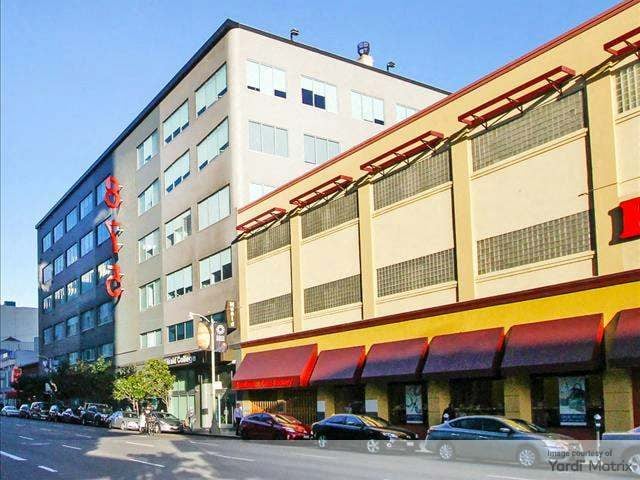
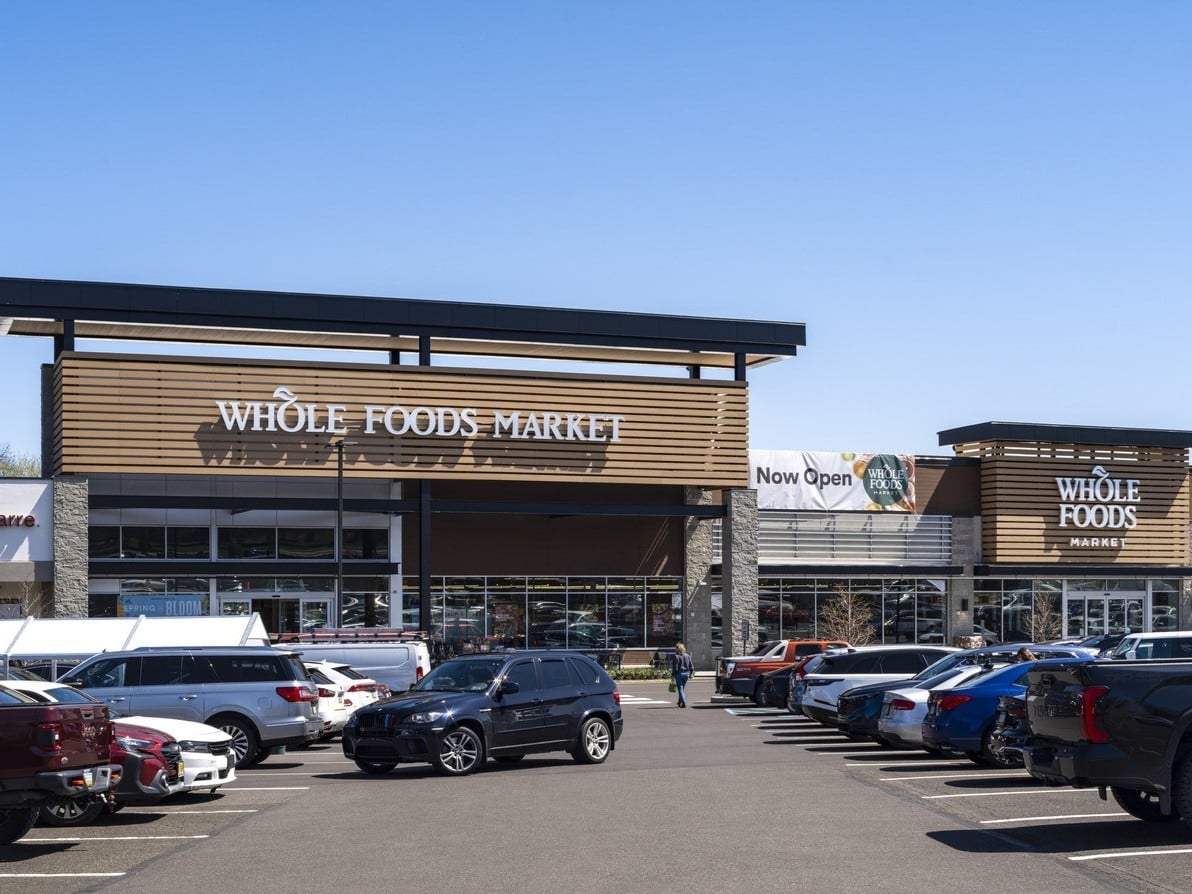
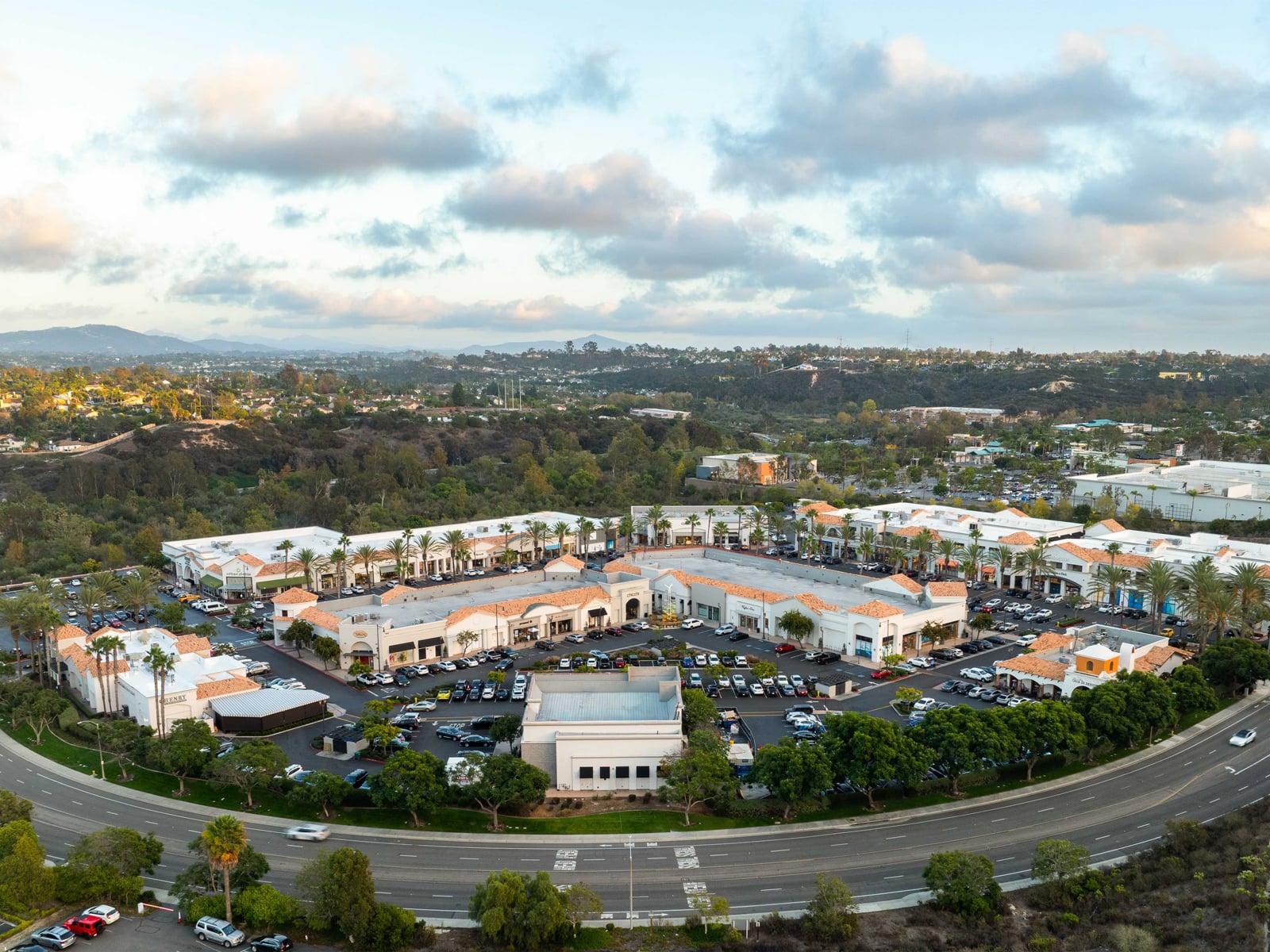
Retail remains in high demand as do medical office and medical outpatient buildings due to low existing inventory. Even office buildings with the right qualifications in prime locations can be a good investment.
Instead of commissioning new construction, consider whether your money can go further and give faster and with more certain returns through buying rather than building.
Jonathan W. Hipp is principal of U.S. Capital Markets & head of the U.S. Net Lease Group at Avison Young.



You must be logged in to post a comment.