

Where Opportunity Lies in 2026
Uncertainty is no longer paralyzing—it’s priced in, according to Integra Realty Resources’ CEO Anthony Graziano.
The U.S. commercial real estate market has found a stable spot heading into 2026, but stable doesn’t mean evenly so for all property types in all places, according to Integra Realty Resources’ annual report on the state of commercial real estate. There are headwinds that will make this year tricky, but not insurmountable.

“The most notable takeaway this year is that uncertainty has shifted from being paralyzing to being priced in,” IRR CEO Anthony Graziano told Commercial Property Executive.
“Investors are no longer waiting for perfect conditions,” he noted. “They are underwriting risk more realistically, working through debt restructuring at higher bases, and moving forward where fundamentals support it. That shift is showing up clearly in transaction activity, particularly around strong assets in growth markets and well-priced opportunities where demand is softening.”
The report also warns about overall lackluster prospects for employment growth, a critical economic metric for commercial real estate. Unemployed people don’t occupy office space, and they buy fewer goods that pass through industrial and retail space.
Currently, IRR noted, job creation is concentrated in the health-care and leisure/hospitality industries. Sectors such as transportation, manufacturing and professional services are declining. A weakened labor market in 2026 will mean a more precarious situation overall for commercial real estate.
READ ALSO: Financing Demand Expectations Hit Record High
By contrast, capital markets, another critical metric for commercial real estate, are relatively strong. Lending activity rebounded last year, driven largely by refinancing. With the exception of the office sector, most types of lenders and property categories have returned to pre-pandemic lending levels, the report said.
The 2026 outlook is thus mixed for commercial real estate, according to IRR’s report.
Opportunity in 2026 is likely to be uneven and localized, Graziano stated. But it will be meaningful for those prepared to act.
Office bifurcates further
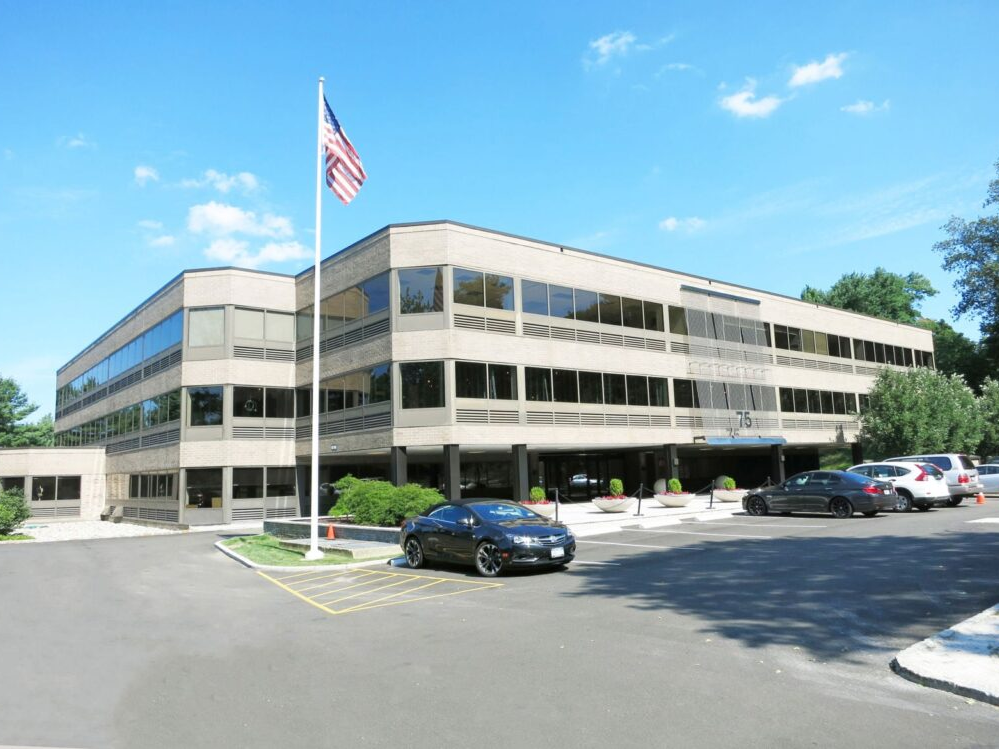
No other property sector is more bifurcated than office, IRR reported, which has been suffering historically high vacancy rates and sluggish rent growth—except for “high-quality, upper-tier office properties in select submarkets, [which] are beginning to see a nascent recovery in leasing activity, investor interest and rent growth.”
Office has stabilized, but its recovery has taken an uneven U-shaped pattern, IRR posited, making the market strongly contingent on broader economic conditions and employment trends, both of which are fogged by uncertainty. Central business districts are beginning to outperform non-CBDs in rent growth, a reversal from the pandemic period, which favored suburban markets.
Rent growth for office remains fragile, the report found, often supported by free rent periods or tenant improvement allowances, especially for Class B and C properties. Even so, landlords are struggling to catch a break, as inflation-adjusted rent growth remains negative and demand isn’t all it could be, considering employment trends.
“Employment trends further complicate the outlook for the office sector,” the report stated. “Office-using employment growth has been marginally positive but remains significantly weaker than overall job growth, which has been trending downward.”
Over the past two years, month-over-month office-using employment growth has been negative 19 times out of 24. That reflects employers’ skittishness when it comes to hiring, even as productivity has made strides from technological advancements.
Only one U.S. office market is expanding, according to the report: Charleston, S.C. Most of the rest of the nation’s office markets are either in recession or recovery mode, which means little development and a sluggish pace of leasing.
Some larger markets, such as New York City, are enjoying stronger tenant demand, driven by such advantages as infrastructure, cultural amenities and proximity to employment bases. Nevertheless, rent growth remains fragile, the report noted.
Markets like San Francisco and Seattle continue to struggle, and other previous star markets, such as Austin, Texas; Denver, Nashville, Tenn.; and Raleigh, N.C. are in the throes of a full recessionary environment.

Industrial cools, but sector is resilient
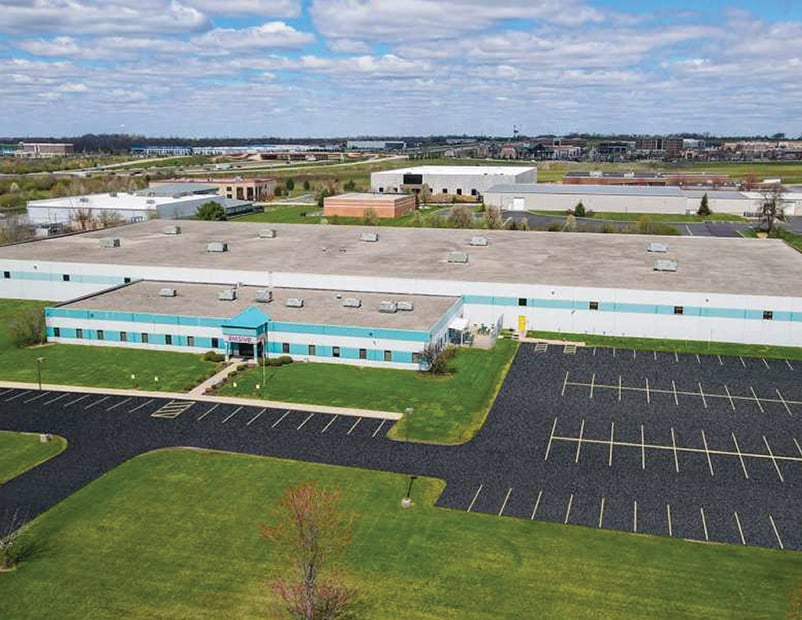
Industrial real estate can’t be characterized as in slump, despite the slowdown in 2025 as many places felt a hangover from the frenetic pace of development in the post-pandemic years, a supply surge that demand couldn’t match last year. In other words, the party couldn’t last.
“Key drivers such as e-commerce growth and domestic manufacturing investments, which previously bolstered the sector, have slowed substantially due to macroeconomic challenges, including trade policy uncertainties and employment concerns,” the report explained.
Going forward, industrial sector rent growth is expected to remain flat through 2026, though long-term expectations of annual growth rates are in the high 2 percent range. Vacancy rates will be stable in the year ahead. Overall, however, the sector is resilient and adaptable, which means it will continue to be a key player in commercial real estate, but with tempered expectations, especially in the short term.
Few industrial markets are in recession in 2026, such as Birmingham, Ala., as well as Oakland, Calif., and Orange County, Calif. Many more are still enjoying the fruits of expansion, the report noted, which include decreasing vacancy rates, moderate- to-high rates of new construction, and high rates of absorption. These fortunate markets include Dallas, Nashville, Orlando, Fla., and Washington, D.C.
On the other hand, a lot of industrial markets are in the “hypersupply” phase, reflecting current industrial market trends. That means increasing vacancy rates, a moderating pace of new construction and anemic or even negative absorption. Chicago and New York are squarely in this camp, along with coastal New Jersey, Denver, Seattle and San Jose, Calif., among other markets.

Retail invents new ways to be relevant
Nationally, the retail sector has turned in a mixed performance for some time, and that isn’t going to change in 2026, the report predicts. Nevertheless, opportunities for success exist as retailers continue to edge away from traditional malls into more flexible spaces.
“New strategies have been finding success in the retail space, with a priority on speed to capture new trends by maximizing smaller footprints,” the report said. “Pop-up shops have emerged as a prominent trend, with retailers leveraging short-term leases to drive foot traffic and quickly adapt to changing consumer preferences.”
Even so, malls aren’t quite dead. In a K-shaped economy—which means that some high-income earners’ ability to spend continues to grow—higher-end malls are finding ways to prosper, IRR reported. Shopping malls have also embraced the above-mentioned strategy to fight higher vacancy rates caused as major chains contract.

Not many retail markets are caught in recession, meaning little leasing and little development, but most notably Los Angeles and San Francisco are. A larger number of markets, especially in the Sun Belt, are expanding, such as DFW, Houston, Austin, Phoenix and Las Vegas. Other markets, including New York, Miami, Denver and Washington, D.C., have more retail than the market can sustain, and are thus seeing slow rates of development and absorption.

You must be logged in to post a comment.