

Marketing Lessons From Independent Coworking Operators
From digital storytelling to grassroots outreach, small operators are using authenticity and local insight to stand out in a competitive landscape.
Coworking has become a cornerstone of modern work culture, as more professionals seek flexible, creative work environments. While global coworking brands continue to dominate the sector, independent operators are carving out a distinct role by catering to the evolving needs of remote and hybrid workers.
Despite intense competition, these smaller players hold unique advantages. By pairing creative marketing with authentic storytelling and strategic PR, independent coworking spaces can establish a strong identity and attract loyal members in an increasingly crowded market.
Examples such as Round Table Studios at The Park in New Jersey, TailoredSpace in Southern California and THRIVE | Coworking illustrate how clear value propositions, community-driven programming and data-driven campaigns can convert curiosity into commitment and interest into occupancy.
Where independent coworking spaces win
A clear, compelling value proposition is the cornerstone of any successful marketing strategy. For independent operators, standing out means knowing exactly what makes their space distinctive—whether it’s design, location, amenities or community focus—and ensuring that message resonates consistently across all marketing and PR channels.
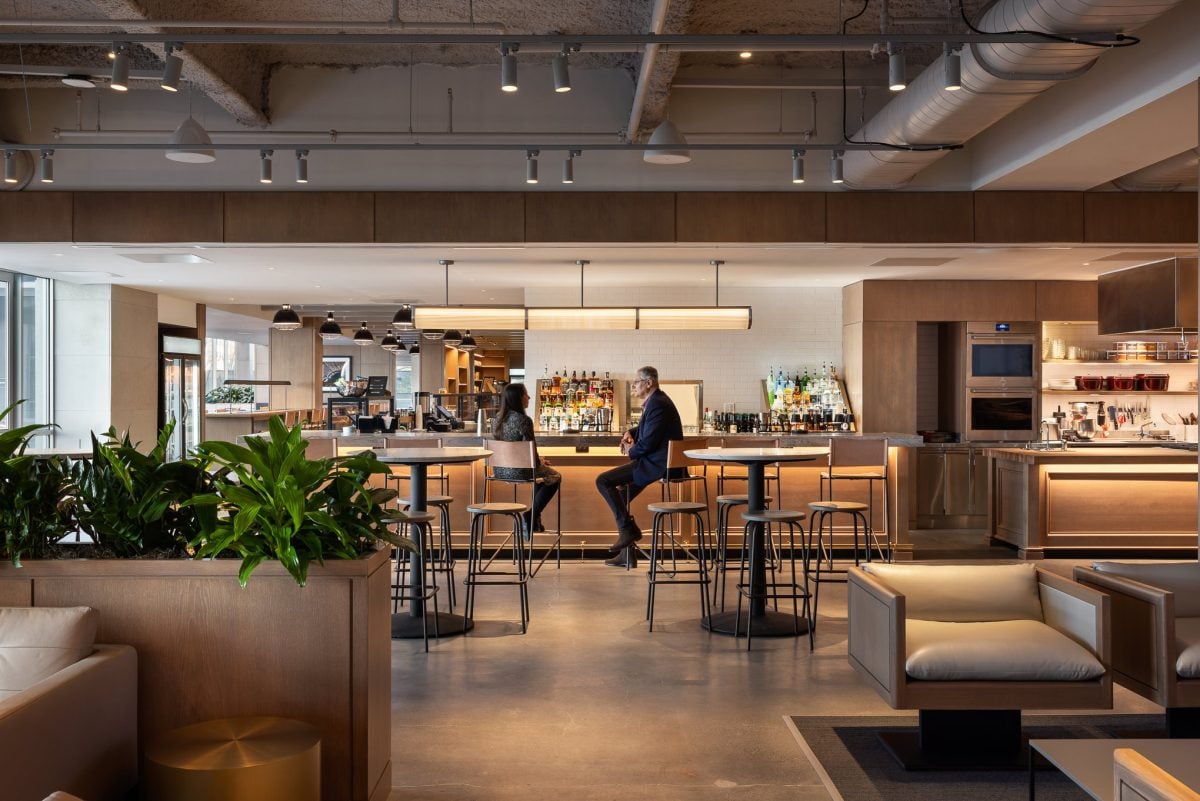
At Round Table Studios, a 44,000-square-foot coworking space in New Jersey, the “work resort” concept defines its unique positioning.
“The Park is a new type of office environment that prioritizes the well-being of its workers and provides luxury office, culinary options and fitness and entertainment amenities all in one location,” said Shane Connell, The Connell Co.’s executive vice president.
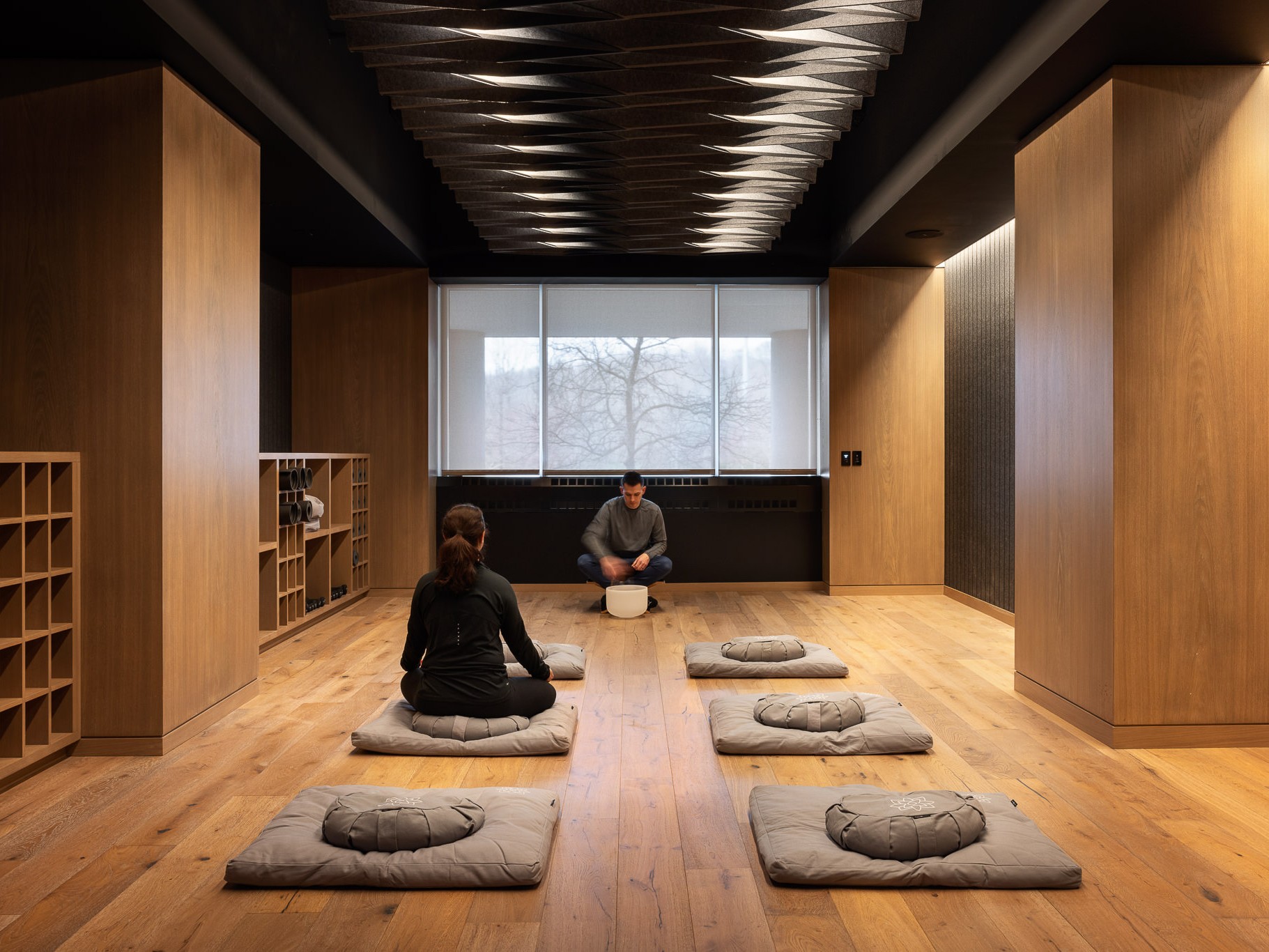
Connell describes this concept as the brand’s “North Star,” guiding every communication and tenant interaction. Beyond design and amenities, Round Table Studios markets itself as a community where professionals can connect at any point during the workday, supported by features such as curated culinary experiences, a 12,000-square-foot fitness center, meeting rooms, a library, and an entertainment lounge.
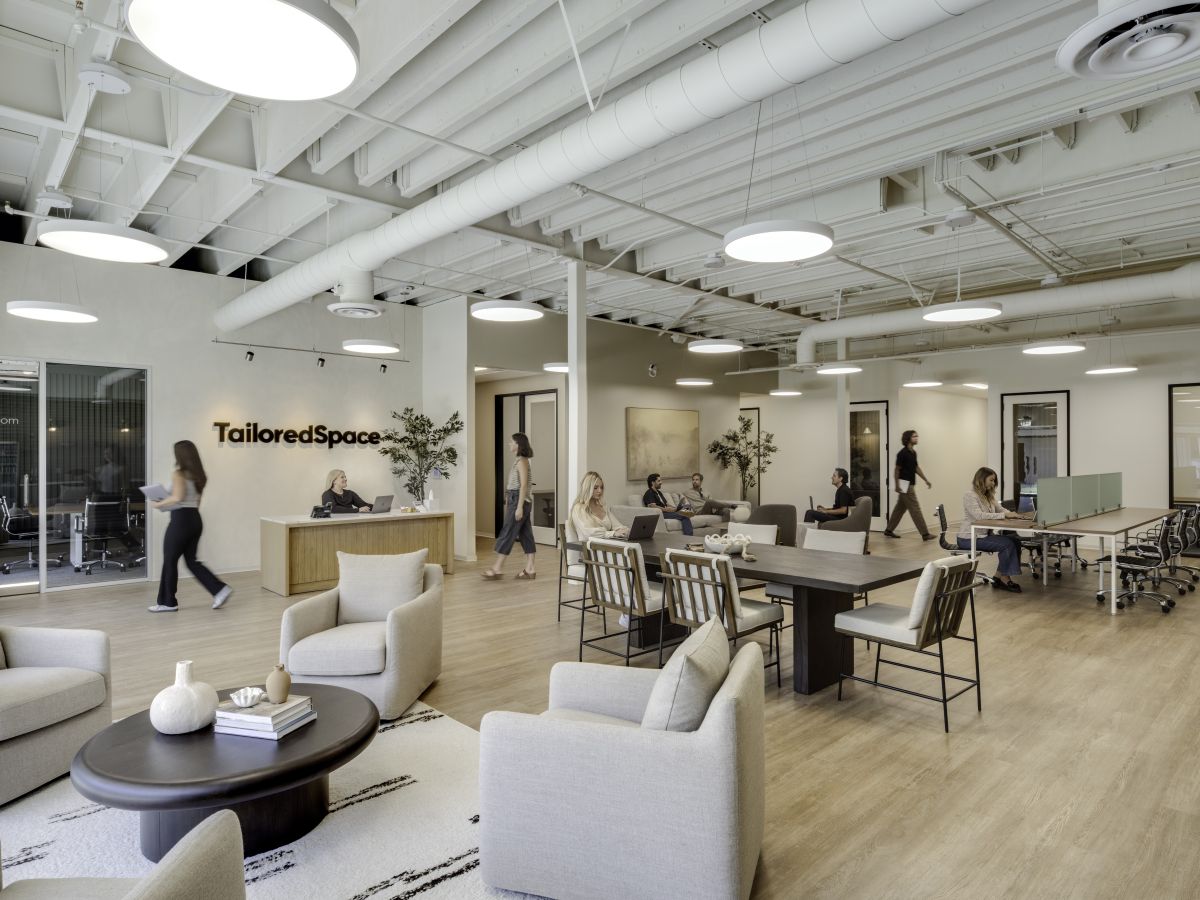
Meanwhile, what TailoredSpace chose to highlight in its marketing campaigns is its hyper-local focus. Tenants are mostly locally based companies and 80 percent of entrepreneurs and decision-makers live within three miles of TailoredSpace’s locations, according to Drew Sanden, co-founder & CEO of TailoredSpace.
By contrast, TailoredSpace has built its identity around hyper-local engagement. The company’s marketing highlights proximity and community ties, with about 80 percent of its entrepreneurs and decision-makers living within three miles of its locations, according to Drew Sanden, co-founder & CEO. Designed for teams of one to eight members, its flexible layouts and centralized communal areas foster both collaboration and a neighborhood feel.
“Through our marketing, we emphasize flexibility through month-to-month memberships and modular walls that allow for easy growth or contraction, image-focused physical design and furnishings in professional environments with an emphasis on community interaction,” Sanden said.
Ultimately, independent coworking operators succeed by leaning into what sets them apart—whether that’s a distinct concept, local focus or exceptional flexibility—and communicating that identity consistently across every channel. Credibility, however, comes from proving those claims through tangible examples, such as positive testimonials, community engagement or consistently high occupancy.
Digital marketing channels: What works best
For independent coworking operators, leveraging digital marketing channels is essential to driving visibility and building credibility. Search engine optimization and review platforms such as Google and Yelp boost local discovery and trust, while social media enables storytelling through authentic visuals and community connections. The right mix of channels can amplify reach and reinforce a brand’s value proposition—but which strategies deliver the best results?
At THRIVE | Coworking, an Atlanta-based operator focused on community-building and philanthropy, marketing starts with a member-first philosophy. The company tracks retention metrics and Net Promoter Scores as indicators of brand health and profitability. Chief Revenue Officer Chris Smith credits enterprise tools such as Salesforce.com and Marketo for supporting THRIVE’s data-driven approach, enabling targeted campaigns. The company complements these tools with Google Ads, SEO and online reviews to increase visibility, streamline onboarding and strengthen brand credibility.
TailoredSpace takes a similarly localized approach, using targeted ads and SEO after internal surveys revealed that most tenants discover the brand through Google. To build trust and awareness, the firm also provides referral incentives, but much of its focus remains on community marketing.
READ ALSO: Elevating the Coworking Experience
“Because our primary client base is so local, we rely heavily on local grassroots marketing that includes advertising in local publications, public relations and physical signage at all our sites,” Sanden said.
Meanwhile, The Connell Co. prioritizes providing a seamless digital experience for users accessing its website, as most inquiries come specifically from there. Social media also plays an important role in marketing The Park, with the company setting up a dedicated LinkedIn account for the location, alongside frequently posting fresh content on platforms such as Instagram and Facebook. Within the community, however, the firm has a proprietary app to keep tenants informed on upcoming events.
Meanwhile, at The Connell Co., the emphasis is on creating a seamless digital experience for potential tenants. With most inquiries originating from its website, the company prioritizes user experience design and maintains an active presence on LinkedIn, Instagram and Facebook. Within its community, a proprietary app keeps members informed about upcoming events and initiatives, fostering ongoing engagement beyond external marketing.
Digital strategies may vary by operator, but the most successful ones combine local reach and data-driven precision with community storytelling to convert awareness into lasting loyalty.
Leveraging storytelling as a marketing tool
For operators investing in social media and website outreach, storytelling has become the heart of their digital marketing strategy—and with good reason. A compelling narrative can humanize a brand and highlight its values.
“Stories that reflect our community-driven ethos resonate deeply with potential members,” said Smith. When paired with member-generated content, event highlights and leadership insights, storytelling can have a huge impact on a location’s success.
Videos, blog posts, and social media campaigns that spotlight real people and experiences help brands stand out through authenticity. Both TailoredSpace and The Connell Co. have embraced this approach with visually driven marketing.
“We incorporate models into the photos so that our future clients see themselves in the space,” mentioned Sanden.
Initially, the company avoided using people in imagery, but Sanden noted a measurable spike in engagement once they made the switch. TailoredSpace also trains community directors to serve as brand ambassadors, ensuring they can articulate each campus’ unique value to prospective tenants.
At Round Table Studios, storytelling begins with education. Because the “work resort” concept is unfamiliar to some, setting the tone through lifestyle-focused stories is key.
“For us, telling stories about the new amenities we’ve added such as our fitness center brand, FIELDHOUSE, or the events we’re hosting, such as carefully curated test kitchens that teach tenants how to cook certain meals, have been the most effective,” said Connell.
Through storytelling, prospective members can visualize how a space enhances their daily routine and work-life balance. That vision is what transforms marketing from promotion into connection.
Community is at the cornerstone of coworking
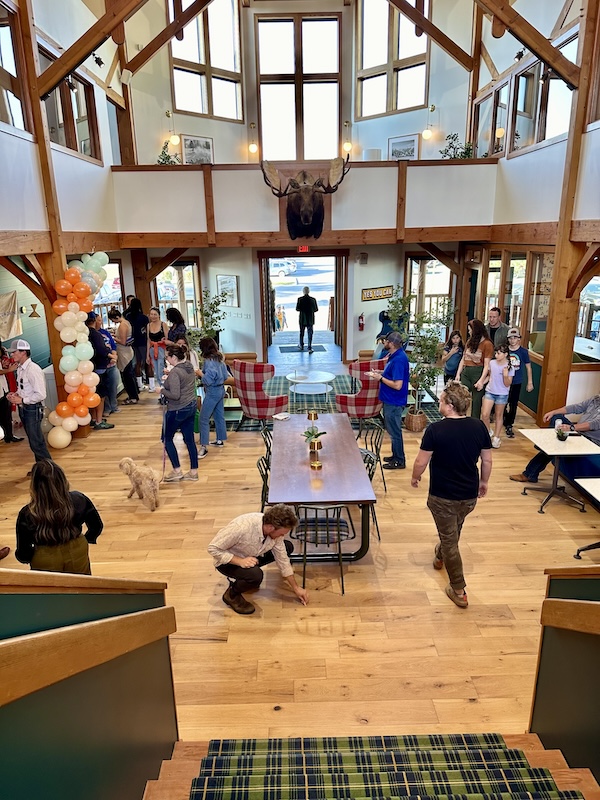
For independent coworking operators, community isn’t just a feature. It’s the foundation. Whether it’s reflected in design layouts that foster collaboration, regular programming that encourages connection, or hospitality-driven service teams that personalize the experience, cultivating a strong sense of belonging is what sets these spaces apart.
Because many independent operators are hyper-local, community-building initiatives often lead to higher retention, stronger loyalty and clear differentiation.
Externally, partnerships with nearby businesses and participation in local events help amplify visibility and fuel word-of-mouth marketing.
At TailoredSpace, for instance, hiring staff who live in the same city as their coworking locations helps build an immediate sense of connection. The company also engages with local Chambers of Commerce and organizes community events such as farmers markets. THRIVE | Coworking takes a similar approach, partnering with local businesses and nonprofits to host events that foster collaboration among members.
For The Connell Co., community is a defining pillar. “We strive to establish a sense of community in everything we do, from deciding what sorts of amenities we offer, to how each element is designed, to naturally facilitating new connections between tenants,” said Connell.
The company’s in-house hospitality team curates monthly programming and promotes events through tenant representatives, internal apps and building-wide announcements. Some gatherings are open to the public, further integrating the broader neighborhood and boosting visibility beyond the tenant base.
What to keep an eye on
As independent coworking operators continue to deliver personalized, community-focused experiences that larger brands often can’t replicate, success ultimately depends on adaptability, creativity, and a deep understanding of member needs.
“Our entire design is catered around striking the balance between work and life while providing both luxury and comfort that today’s employees seek in their workspaces,” Connell said. Anticipating those needs has helped the company maintain an average occupancy rate of 97 percent across its portfolio.
Technology also plays a critical role. Tools like Salesforce.com and Marketo allow for personalized member experiences, while platforms like OfficeRnD streamline operations, Smith pointed out. Strong narratives will also highlight brand authenticity and increase the community factor for independent coworking spaces.
READ ALSO: How an Old Louisiana Schoolhouse Became a Coworking Hub
Technology is another essential ingredient. Platforms such as Salesforce.com and Marketo enable personalized engagement, while tools like OfficeRnD streamline day-to-day operations, noted Smith. Paired with strong storytelling, these digital resources reinforce brand authenticity and foster stronger community ties.
Still, a one-size-fits-all marketing approach rarely works.
“It’s important to invest the time and do the work to understand the local market and client base and then better understand how to reach them,” Sanden said.
In the end, independent coworking spaces that combine flexibility with authenticity are best positioned to stand out in an increasingly competitive landscape.





You must be logged in to post a comment.