
Inside Atlanta’s South Downtown Comeback
Once the city’s bustling heart, the historic district is undergoing a major transformation ahead of the 2026 FIFA World Cup.
South Downtown Atlanta is entering a new chapter. Once the city’s bustling commercial heart, the neighborhood spent decades being overlooked, its historic buildings underused and in disrepair. Now, a redevelopment effort led by tech entrepreneur David Cummings and a lean four-person team is drawing those long-forgotten blocks back into the spotlight.
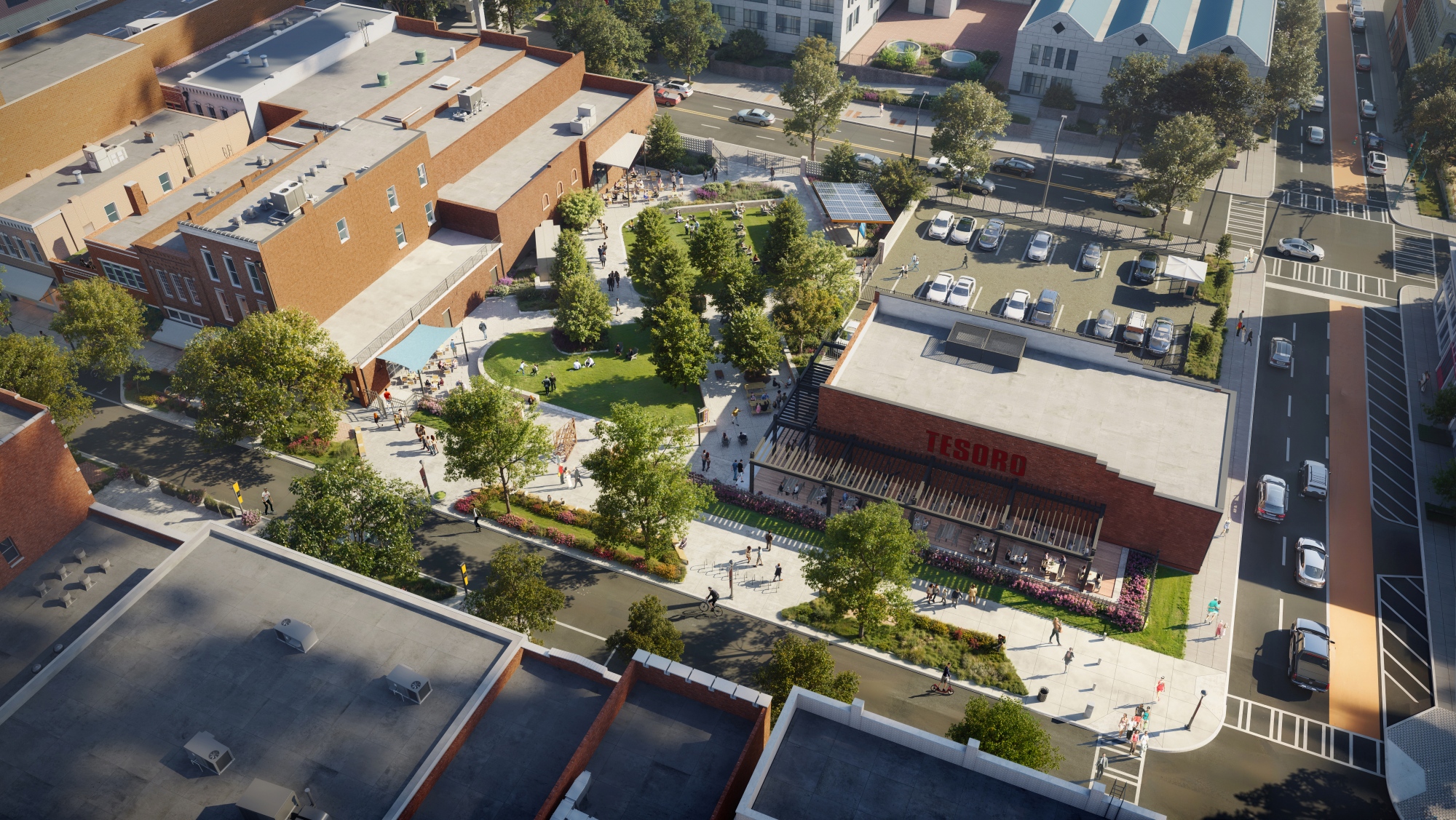
Spanning 16 acres, the mixed-use project ranks among the most ambitious adaptive-reuse undertakings in the Southeast. Across 57 historic buildings covering 10 city blocks and nearly 1 million square feet, the vision is to transform the district into a vibrant hub of restaurants, creative office environments, residences and cultural spaces.
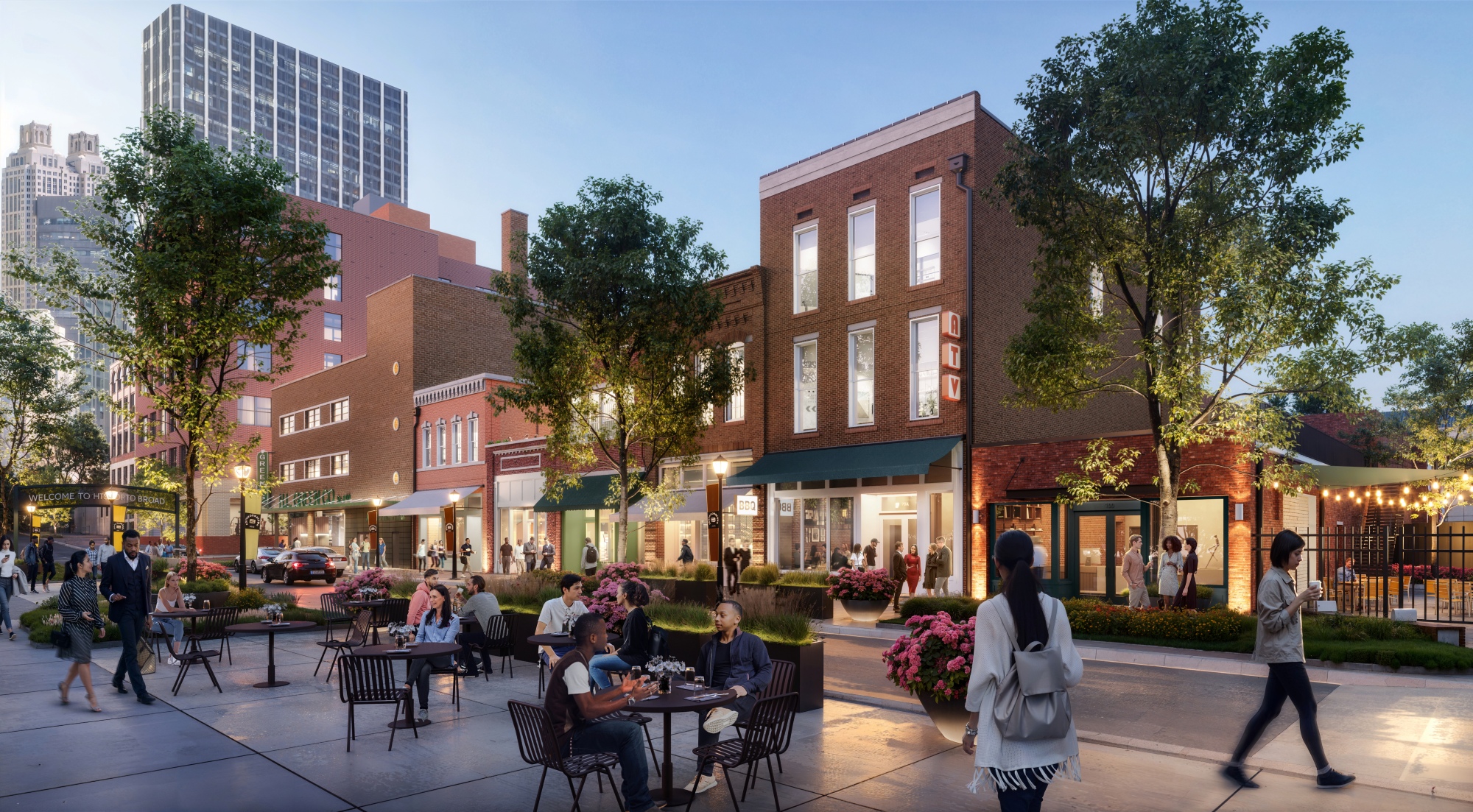
The timing is no coincidence. As Atlanta prepares to welcome millions of visitors for the 2026 FIFA World Cup, South Downtown’s transformation is poised to showcase the city’s renewed energy and historic character on a global stage.
“We are currently working to restore more than 20 buildings ahead of the World Cup,” said April Stammel, who leads marketing and community engagement for SoDo Atlanta, the development group spearheading the district’s revitalization. “We’ll be welcoming more than a dozen new restaurants and retail concepts, along with an expansion of Atlanta Tech Village for entrepreneur teams.”
ATV’s second location opened earlier this year following the renovation of the historic Sylvan Hotel on South Downtown’s Mitchell Street. The building now serves as a hub for startups and small businesses, further cementing the district’s growing reputation as an entrepreneurial center. Meanwhile, a mix of boutique, independent, and local restaurateurs are lining up to join the neighborhood’s comeback.
A vision shaped by market demand

The activity unfolding across South Downtown is no accident. SoDo Atlanta imagined the area as a start-up campus with active ground-floor restaurants and creative retail, residential, flexible office and discoverable outdoor spaces, along with community areas for events and culture. It’s a balance between ambitions and market reality.
“This balance responds directly to Atlanta’s current market, where adaptive reuse is strong, flexible workspace outperforms traditional space, and local food and retail concepts are driving a vibrant sense of place,” Stammel detailed.
The historic architecture that gives South Downtown its unique character has become increasingly rare in Atlanta’s modern skyline. Translating that vision into reality is no easy task. It means working within the neighborhood’s century-old fabric, where opportunity and complexity go hand in hand.
“We’re committed to preserving the authentic character of South Downtown’s historic buildings while ensuring they function for today’s needs,” she said.
This broader promise to the local community includes repairing façades and original materials wherever possible, while discreetly integrating modern systems for comfort, accessibility, and efficiency.
Preserving history while building for tomorrow
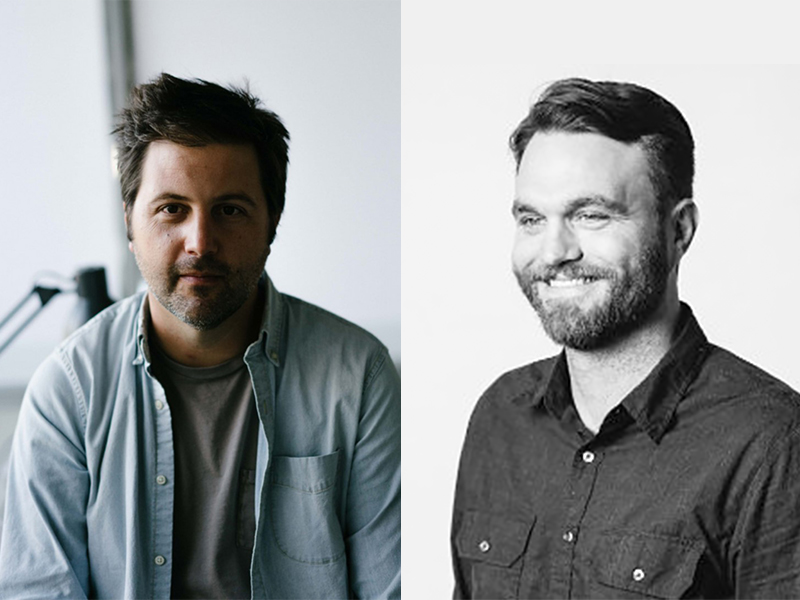
The heritage buildings that define South Downtown create a street-level character that simply can’t be replicated through new construction. “Atlanta does not have many neighborhoods where this much historic building stock is packed together,” said Luke Wilkinson, partner at Local Architects.
The planning and architecture company specializes in restorations and is one of several firms collaborating with SoDo Atlanta on the district’s revitalization. The design team is leading work on one of South Downtown’s most prominent corners—185 Mitchell St., at the intersection of Broad and Mitchell streets. The firm has been commissioned to redesign and document a cluster of four connected buildings surrounding a future courtyard.
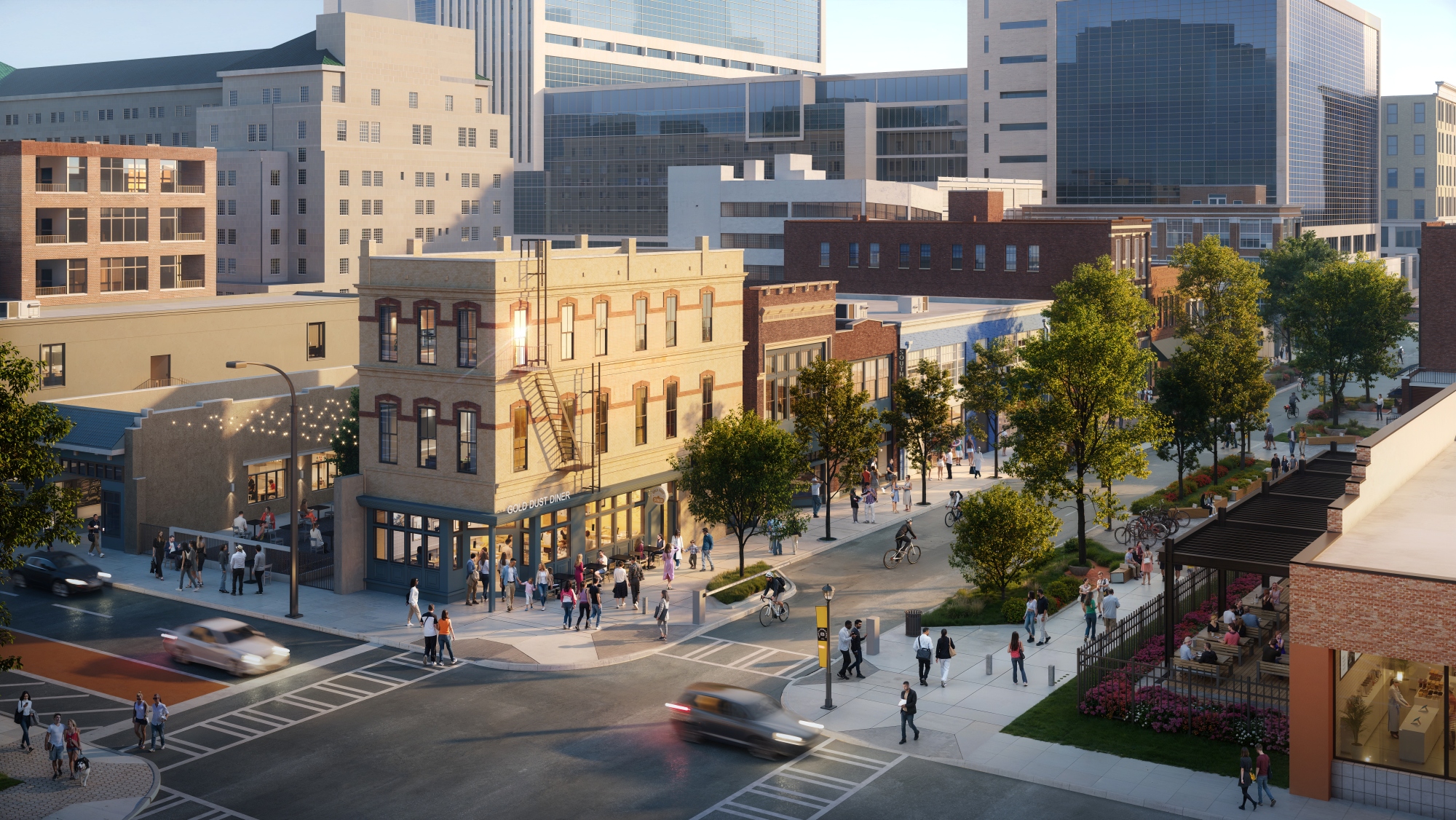
Similar restoration and rehabilitation work is underway on other sites along Mitchell, Broad and Peachtree streets. The design process involves conceptual and schematic planning for future uses, city and neighborhood reviews, and applications for special administrative permits and historic tax credits.
Beyond paperwork and approvals, the design teams face the deeper challenge of reimagining buildings that have long fallen short of their potential after decades of deferred maintenance.
“These buildings weren’t just neglected. They carry layers of history. Peeling those back reveals the extent of structural repairs needed before we can even begin the design work,” said Joshua LeFrancois, partner at Local Architects, describing the complexity of working within tight historic and structural constraints.
READ ALSO: Inside the One West End Redevelopment in Atlanta
Much of that complexity lies in the very bones of the buildings themselves. In many cases, the brick is more than just cladding—it’s integral to the structural system, supporting the load of wood framing members. Over time, it suffered from decades of wear and neglect, leaving it in need of significant structural repair. The painstaking restoration work also reinforces a key principle of adaptive reuse: Preserving existing materials is one of the most sustainable approaches to development.
Rather than tearing down the buildings and sending the materials to landfills, Local Architects is reassembling and reinforcing them, salvaging historic elements like heart pine flooring and reimagining them for new uses such as millwork.
“We hope that what we’re doing compliments the neighborhood that already exists,” said LeFrancois. “It’s easy to think of development on this scale as replacement or a hard reset, but there is a community here that has functioned for decades, even as the buildings fell into disrepair.”
This careful balance between preservation and progress is shaping a neighborhood that honors its history while meeting the city’s evolving needs. As South Downtown evolves, community collaboration remains central to it success. Stammel believes that the redevelopment cannot move forward without local buy-in.
“We host community tours at least twice a month to invite those who are interested into the conversation, sharing about the history of the neighborhood and the future of what will be in South Downtown,” she added.
While the first 28 residential units set to be delivered in the district won’t be officially designated as affordable housing, Stammel believes the area’s transit access and mix of curated retail and dining will create a more attainable urban lifestyle than many other in-town neighborhoods.
Coordination is key in South Downtown Atlanta
Tuning a shared vision into reality requires not just creativity, but precise coordination. With numerous moving pieces—from historic rehabs to new tenants and financing milestones—the development team relies on technology to streamline operations and keep progress on track.
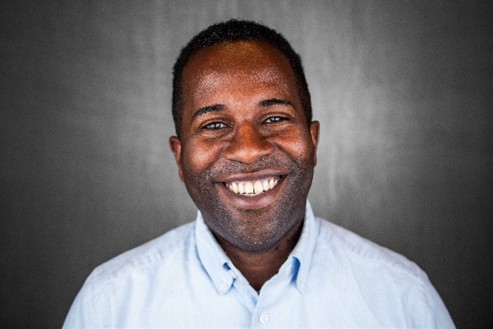
That’s where local real estate development platform Northspyre comes in. Acting as the project’s back office, the system consolidates budgets, invoices and reporting so the lean team can focus on building relationships and deliver on community promises. “The team uses our platform to efficiently manage nearly 1 million square feet of redevelopment, stay under budget and move quickly,” said William Sankey, co-founder & CEO of Northspyre.
By centralizing contracts, invoices and reporting, the platform eliminates redundancies and ensures timely payments to contractors, helping to prevent one of the most common causes of project delays.
Northspyre’s cash flow forecasting tools are particularly valuable for a project of this complexity, with its layered capital stack and phased transition into construction loans. The team can anticipate funding needs months in advance, maintaining project momentum.
Equally important, the technology supports transparency. By freeing developers to focus on securing tenants and engaging the community early, the digital system helps ensure the revitalization process is inclusive, accountable and sustainable, Sankey pointed out.
The first phase of South Downtown is slated to open early next year, just in time for the World Cup. The full buildout could span 15 to 20 years, depending on market demand. Ultimately, the development stands as a test case for how adaptive reuse can anchor both economic growth and cultural identity. If successful, it could redefine not only a neighborhood but also the way Atlanta approaches the renewal of its urban core.




You must be logged in to post a comment.