

ULI Special Report: Power Isn’t Data Centers’ Biggest Problem
Is the recent emphasis on transparency enough to win over wary communities?
Data center measures will be on local ballots tomorrow in 41 municipalities in 10 states, according to Ballotpedia. More than half of these initiatives would prohibit or delay data center construction, while the remainder pertain to rezonings or other conditions under which data center construction would be allowed.
The importance of community support for data centers was front and center during a session at the ULI Fall Meeting titled: “The AI Buildout: Data Centers, Energy, and the Business of Scale.”
Despite growing efforts on the part of the data center industry to control environmental impacts, increase transparency and listen to community concerns, data centers remain widely unpopular, the panelists agreed.
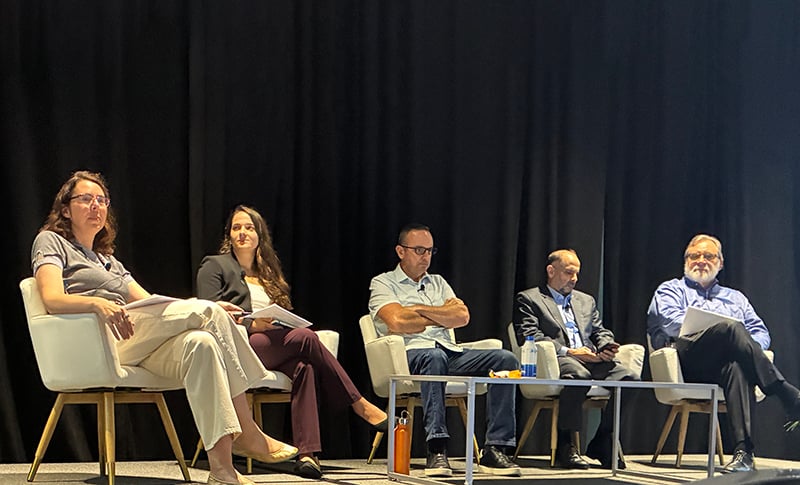
At the start of the session, Dr. Tracey Seslen of the University of Washington’s Foster School of Business, the session’s moderator, polled the audience on which factor was most likely to “kill” a data center project. Fifty percent of the audience said that power deliverability was the most likely factor while 38 percent said it was community opposition. At the end of the session, Seslen polled the audience again and found that the rankings had reversed. Community opposition was first and power was second.
Power constraints continue, particularly for the last mile, said Keith Klein, director of AMER Data Center Supply Solutions for Amazon Web Services. But the situation is evolving, and energy challenges are largely a timing constraint now. Community relations are also evolving, but they remain a “primary constraint,” according to Klein.
“Your community’s willingness to actually accept the data center into their community is probably the most defining (constraint),” Klein said.
Communicating early and often
As a result, Klein said, AWS and other hyperscalers are addressing community concerns earlier in the process, educating communities with actual use cases, sharing more information than they previously had and dispelling misconceptions. “If you go online and Google, you probably get a lot of inaccurate information because this is a new industry,” he said.
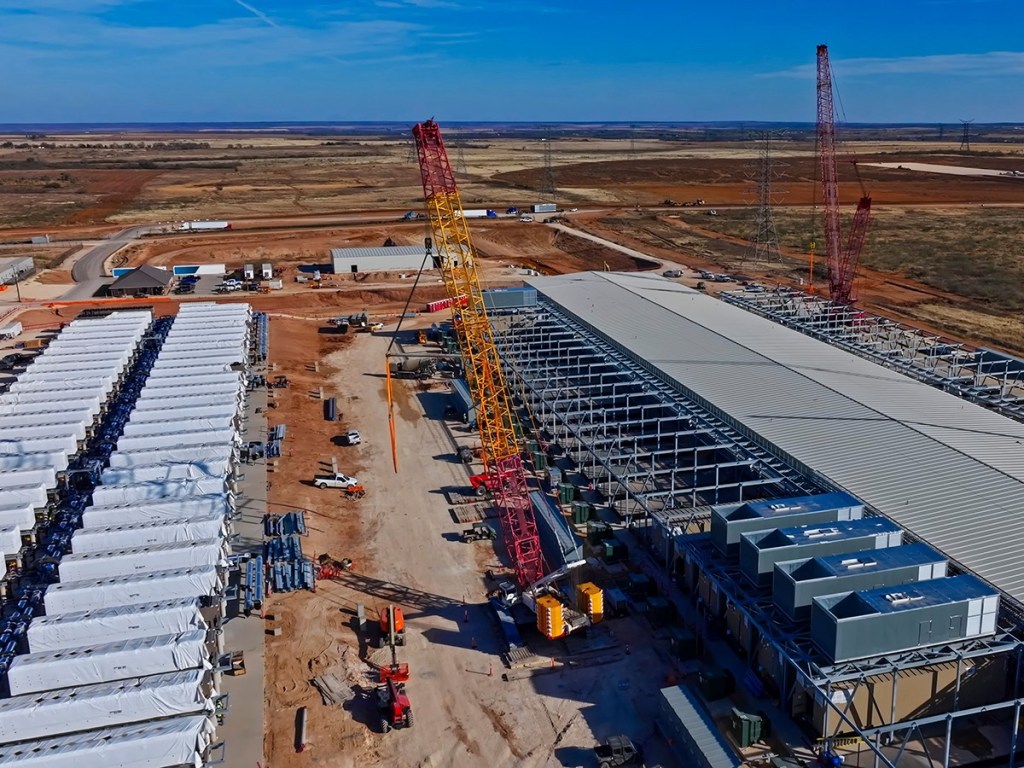
Josh Levi, president of Data Center Coalition, a membership association for the data center industry, agreed that early intervention is becoming the norm. Instead of securing exclusive rights to the land and entering into discussions with utilities before seeking community acceptance, more hyperscalers are now simultaneously communicating with the public, he said. Any testing they are doing with the utilities or on their own can help answer questions about impact.
Levi said he believes community opposition can be met with “genuine discussion” of the benefits, which include increased tax revenue, infrastructure upgrades, potentially lower utility rates and other community-specific amenities that the hyperscalers can provide in exchange for acceptance. From workforce training centers and new medical facilities to museums and public libraries, hyperscalers have shown they are willing to satisfy a wide range of requests.
READ ALSO: Alternative Disruptors: The ‘All of the Above’ Approach for Data Centers
And Levi recommended going straight to the people rather than relying on local officials to convey constituents’ concerns. “We’re peeling the onion a little more on those discussions, going directly to the community in addition to dialoguing with the economic developers and the elected officials,” said Levi.
But, he added, elected officials could help improve public opinion by being more transparent about where the additional tax revenue is going, how many jobs have been created, etc.
Leonard Ruff, data center advisor & project manager for Cascade Mission Critical Inc., said that one of the benefits that’s not spoken about enough is that, even if states are offering tax incentives, local taxes still apply.
“When you think about the tax assessment on a data center, the property value is very high, and they get assessed based on that,” Ruff said. “So there is quite a benefit.”
Ruff added that one of the biggest stumbling blocks to gaining community acceptance is the lack of zoning for data centers, so it’s important to sit down with the local jurisdictions to figure that out as soon as possible.
“If you don’t do that early enough, you could find yourself between a rock and a hard place, which would then generate some more community opposition to your project’s success,” said Ruff.





You must be logged in to post a comment.