

Seattle Office Figures Trail Gateway Peers
Check out the market's general performance, according to Yardi Matrix data.
Seattle’s office market remained under pressure through August, with elevated vacancy and limited investment activity weighing on its fundamentals, according to Yardi Matrix data. The metro’s vacancy rate was the second-highest among major U.S. markets, while listing rates barely surpassed the national figure. At the same time, the development pipeline remained limited outside owner-occupied projects, with less than 0.1 percent of inventory under construction on a speculative basis.
On the policy side, Seattle moved from approving a conversion incentive to putting it into practice. Rules that took effect in February allow owners to defer sales and use taxes on construction costs when converting underused commercial space into multifamily housing. Eligible projects must create at least four homes and reserve at least 10 percent of the units for households earning no more than 80 percent of the area median income.
Sales stay limited, pricing holds up
Seattle’s office investment market remained moderate year-to-date through August, with sales totaling just $426.1 million, the lowest volume among gateway metros. Manhattan led the country with $5.2 billion in transactions, followed by the Bay Area ($3.4 billion) and Dallas ($3 billion).
Despite the limited deal flow, the metro maintained relatively strong pricing. Seattle’s office space changed hands for an average of $306.32 per square foot, well above the $204.56 national benchmark. Austin, Texas, posted the highest average nationally, with properties trading for nearly $877.70 per square foot.
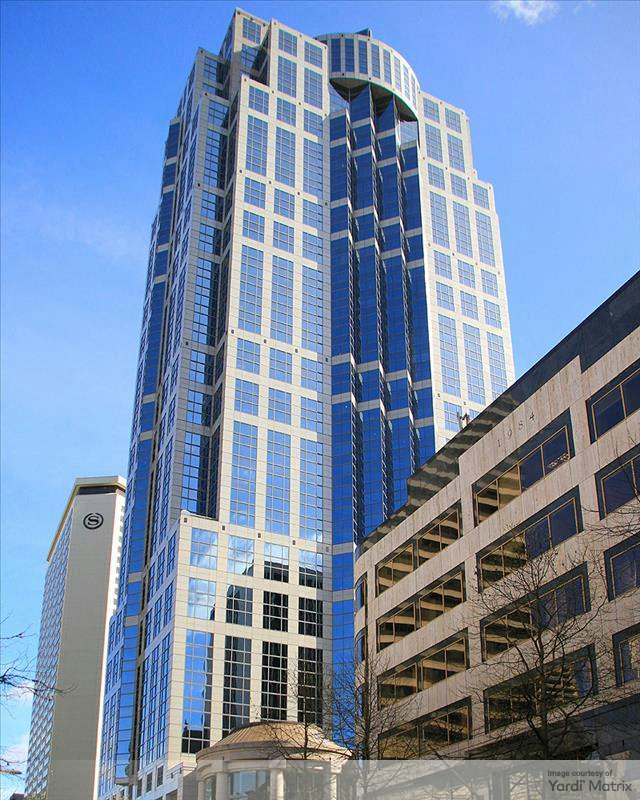
Earlier this year, Blackstone agreed to sell U.S. Bank Center for roughly $280 million. The price would be less than half the $612 million paid by the company in 2019 and represent about $297 per square foot. Regardless, this will be one of Seattle’s more notable transactions, once finalized.
Pipeline remains among gateway lows
When excluding owner-occupied properties, Seattle’s office under-construction pipeline represented less than 0.1 percent of the market’s inventory in August. The figure was among the lowest nationally and the smallest among gateway metros. Manhattan ranked first at 3.7 million square feet underway, while Boston (3.6 million square feet) and Miami (2.2 million square feet) rounded out the top three.
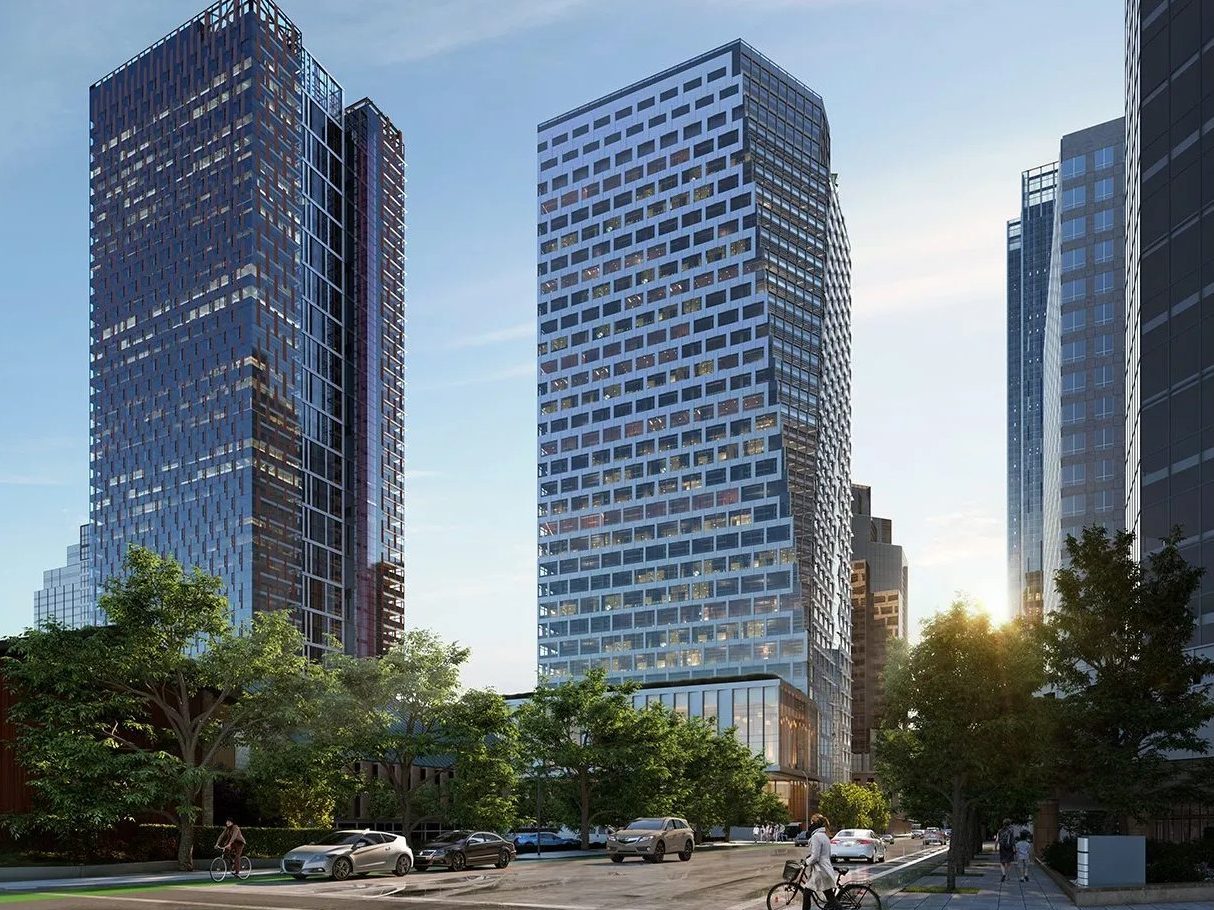
However, when also taking into account projects that owners will occupy once completed, the metro’s figure rose to almost 2 million square feet underway, across four projects. This represented about 1.1 percent of the metro’s inventory.
The largest construction project in Seattle remains Amazon’s Tower 1 at Bellevue 600, a 43-story, 1 million-square-foot office high-rise in downtown Bellevue, the tallest building in the city. The project broke ground in 2021 and topped out in September 2024, as part of Amazon’s planned two-building campus featuring retail, meeting space, public areas and direct transit access.
High vacancy continues to pressure the market
Despite a 250-basis-point recovery over the year, Seattle’s office vacancy rate clocked in 24.7 percent in August, well above the 17.8 percent national figure. The metro’s index was the second largest nationally, with only San Francisco (25.9 percent) having more available space.
Since the pandemic, Manhattan saw the sharpest improvement in the U.S., with its vacancy rate reaching 10.2 percent as of the same month. Miami (11.6 percent) was close behind.
Seattle’s listing rates as of August averaged $35.17, ranking somewhere in the middle among the top 25 U.S. metros. The market’s figure declined 20 basis points compared to the same month of 2025. Manhattan ($72.70), San Francisco ($65.41) and Miami ($59.73) were the priciest cities nationally.
In one of the largest new leases in the market, Anthropic committed to 106,774 square feet at Dexter Yard, a two-building office campus owned by BioMed Realty in Seattle’s South Lake Union neighborhood. The creator of the Claude AI model leased several floors of the mid-rise at 700 Dexter Ave. N. for the next 11 years, with the option to extend the term through 2047.
Seattle flex inventory holds steady
As of August, Seattle’s coworking footprint totaled almost 3.5 million square feet across 181 locations, according to CoworkingCafe. Flexible workspace accounted for 2.3 percent of the metro’s overall office inventory, 10 basis points below the 2.4 percent national share.
Among gateway metros, Seattle ranked near the middle of the pack. Miami’s share (4.7 percent) topped the chart, while Washington, D.C., trailed at 1.8 percent. Boston was on par with Seattle, at 2.3 percent. By total square footage, Manhattan (12.6 million square feet) was the national leader.
Regus remained Seattle’s largest coworking provider, with 657,321 square feet across 32 locations. The company was followed by extraSlice (300,212 square feet) and WeWork (290,979 square feet), while Spaces (167,858 square feet) and Industrious (165,620 square feet) rounded out the market’s top five.
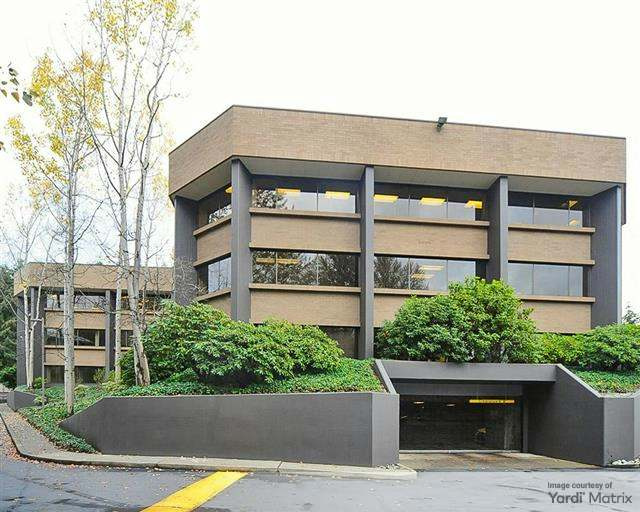
Earlier this year, Premier Workspaces opened a 16,296-square-foot location in Bellevue, Wash., at a 93,295-square-foot campus owned by American Asset Trust. The center includes 70 furnished private offices, meeting rooms, day offices, reception services, a fitness center and parking. It marks Premier’s fourth location in the Seattle metro.

You must be logged in to post a comment.