

How Carr Properties Is Rebuilding Around the Customer
The firm is refocusing its office strategy and diving into multifamily.
Carr Properties doesn’t like using the word “tenant,” reasoning that it’s too contractual, too transactional.
Instead, the firm prefers to call its occupants “customers.” The distinction, according to Senior Vice President of Operations Linda Cogburn, is what enables the “Carr Experience,” the company’s name for its style of property management that emphasizes personal interactions and a premium experience.
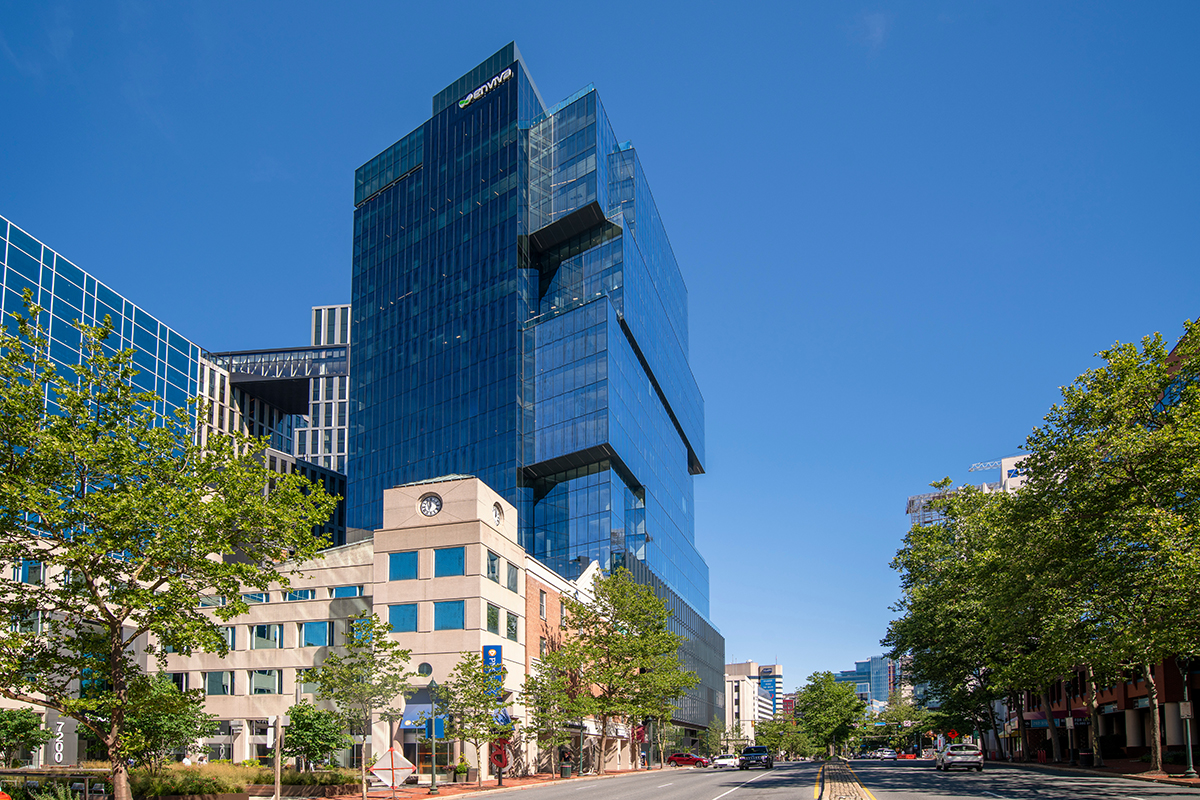
The company began using the term in 2019 at The Hub, a Class A office property in Washington, D.C.—before top-notch amenities and hospitality-like service became table stakes for premier space—and today it refers to consistency across the portfolio.
The “Carr Experience” is also a guiding principle as the company refocuses its strategy following the 2025 exit of longtime institutional partner J.P. Morgan Asset Management. The company has shed some assets while it concentrates on higher-quality redevelopment-driven opportunities. In recent years, Carr has also begun diversifying into multifamily, partnering with other companies to acquire obsolete office buildings, demolish the properties and redevelop them into apartment homes.
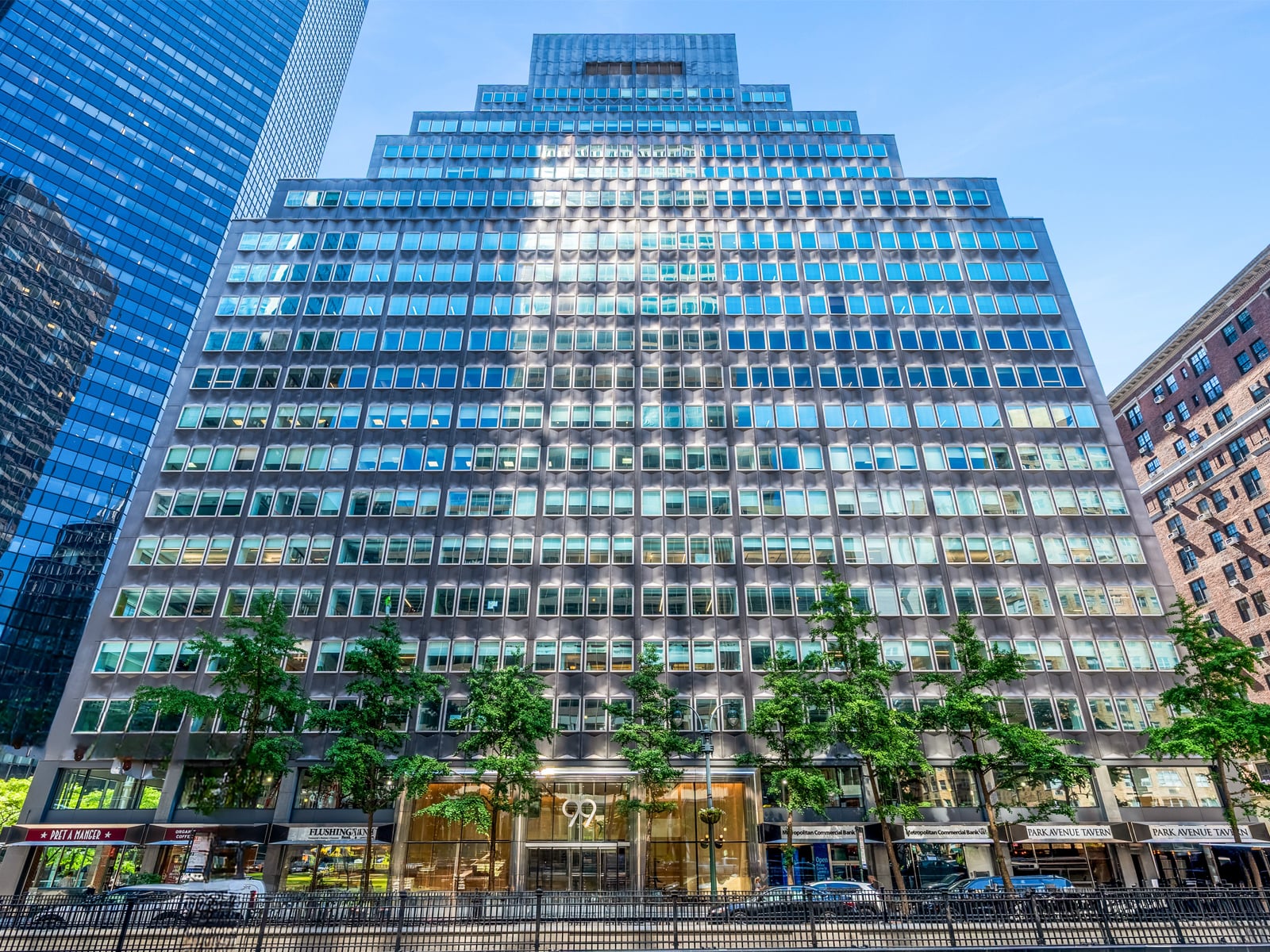
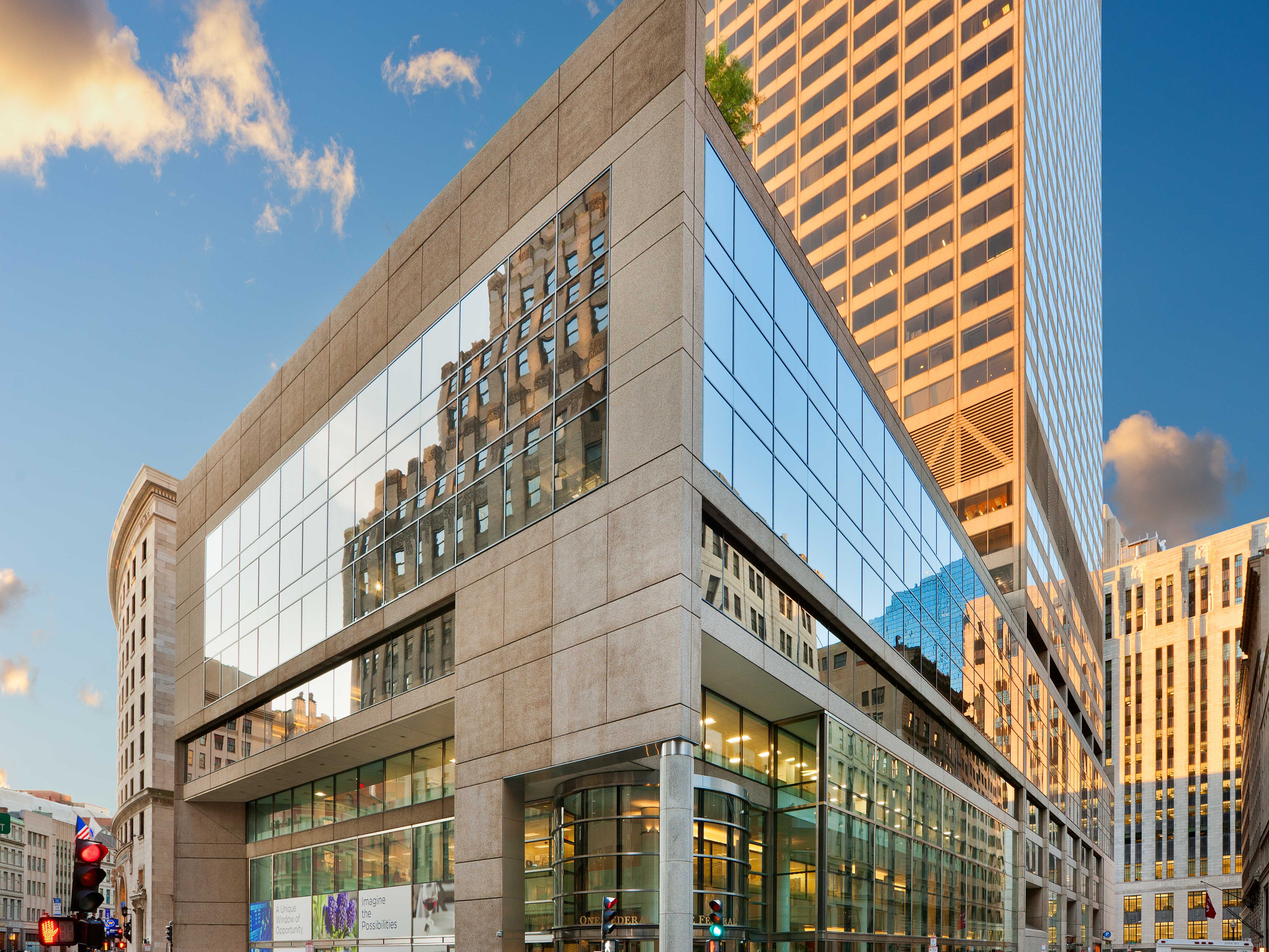
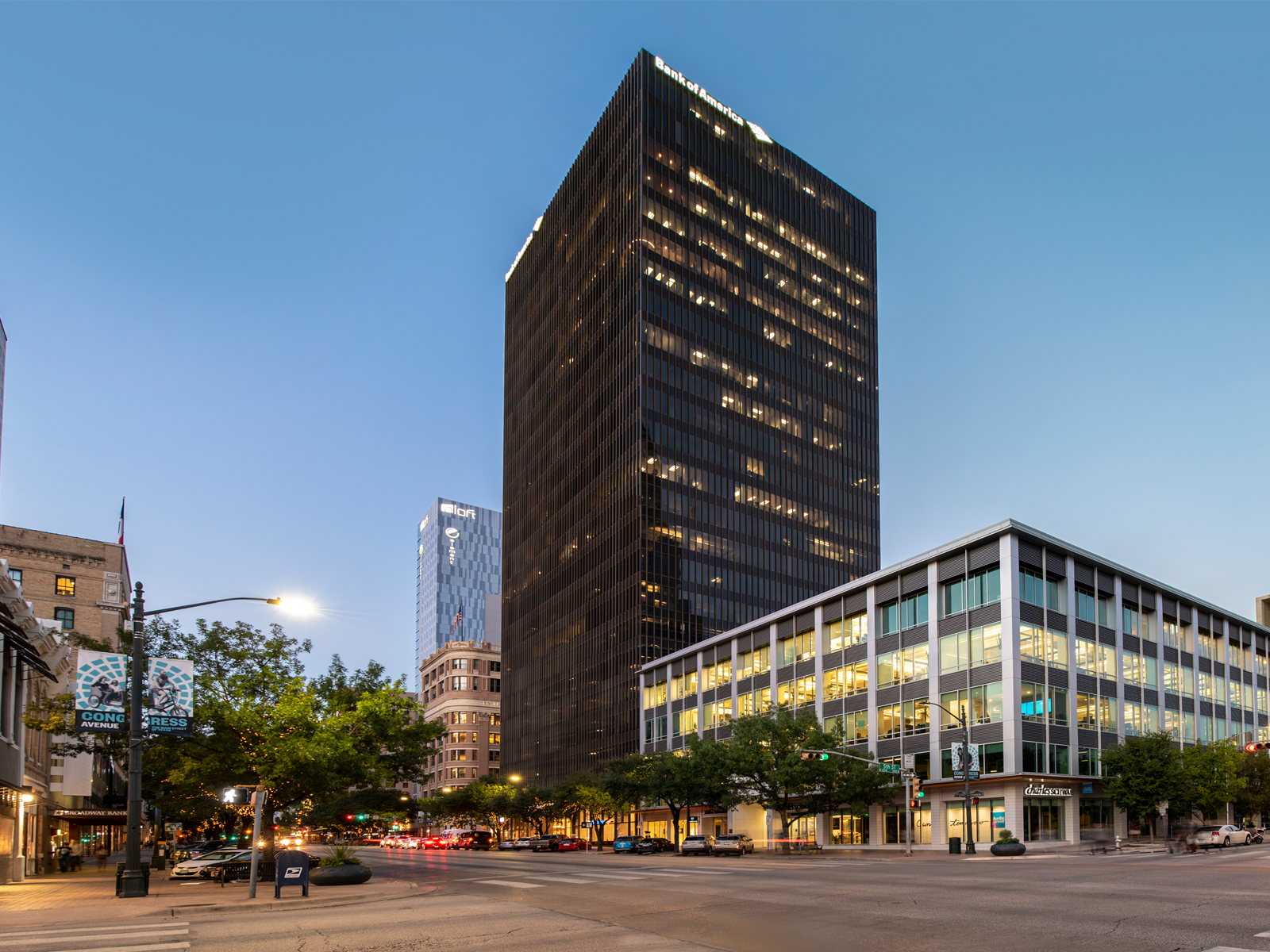
Currently, the firm maintains a relatively tight but growing portfolio of eight owned properties across the Boston, Washington, D.C., and Austin markets, and manages eight more assets for third parties.
“We’re really dedicated to creating an amazing experience for our customers,” shared Oliver Carr, founder & CEO of Carr Properties. “That could be a customer working in an office building or it could be a resident at one of our multifamily projects.”
The Carr Experience
In the post-pandemic world of hybrid work and commute-averse employees, having an office worth traveling to is crucial to success. According to Cogburn—who joined Carr more than 13 years ago after over two decades working in property management—the firm’s property management strategy emphasizes community gatherings and personal interactions.

“What we’re doing is working to establish customers for life,” said Cogburn, who joined our virtual interview from the conference center at Carr’s 200 State St. office building in Boston. “We want to ensure that our customers have a much different experience than at any other property.”
Carr’s approach to property management is rooted in what it calls “distinguished hospitality,” which Cogburn said is the way the firm’s employees handle interactions with customers. Each year, Carr associates—including security officers, parking attendants and janitorial supervisors—undergo 15 hours of specialized training on how to best interact with customers.
Additionally, property management employees meet every two weeks to discuss distinguished hospitality, sharing recent feedback from customers and going over what’s working or what needs improvement.
Cogburn said this emphasis on human and culture development is how Carr is able to maintain a consistent customer experience across its portfolio—something she sees as a strategic advantage.
“You can replicate design. You can build the greatest fitness center,” she commented. “But what you can’t do is replace our people.”

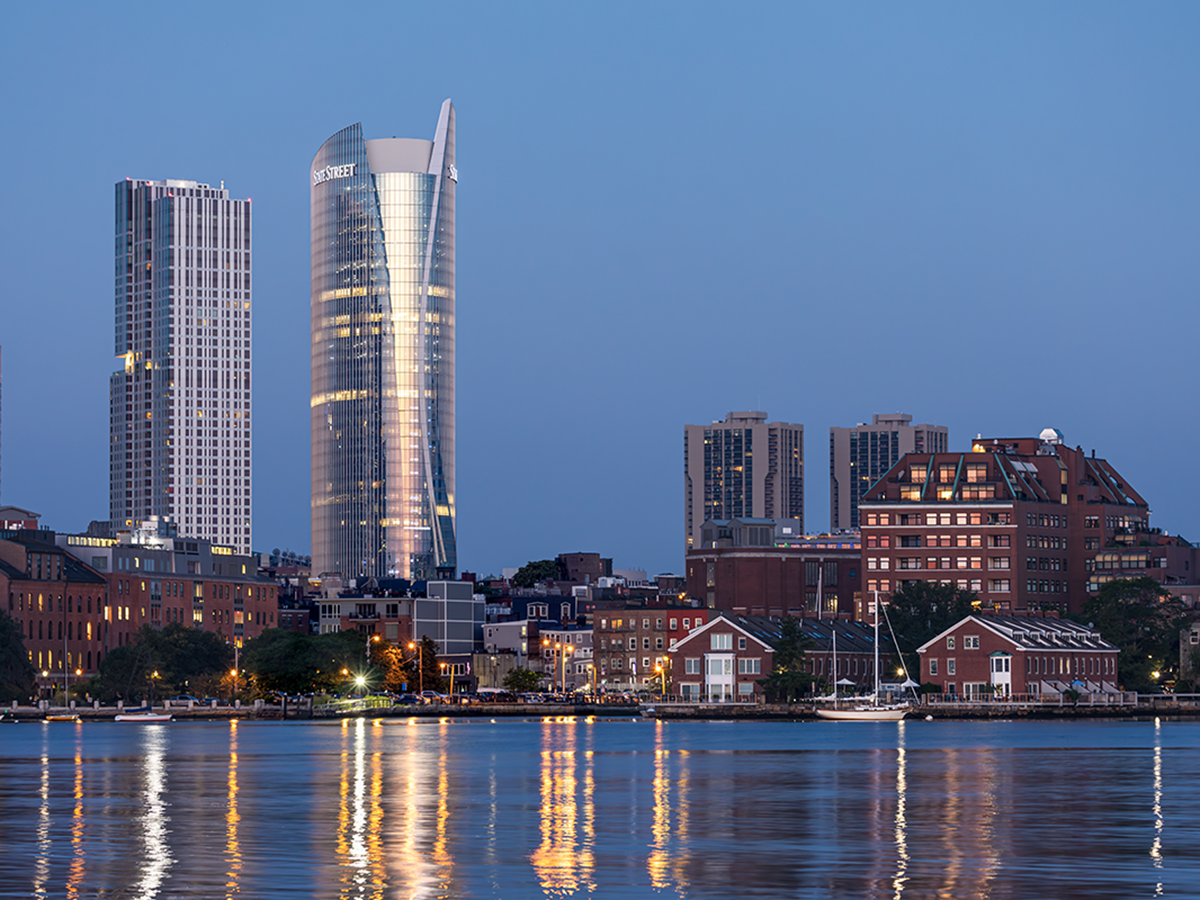
Carr’s focus on customer experience and workplace well-being is what attracted The HYM Investment Group to partner with the firm on the development of One Congress, a 1 million-square-foot trophy office tower in Boston that opened in 2023. The 43-story building includes a triple-height lobby, spanning an entire city block in length, which includes a dedicated concierge service, collaborative workspaces and a coffee bar.
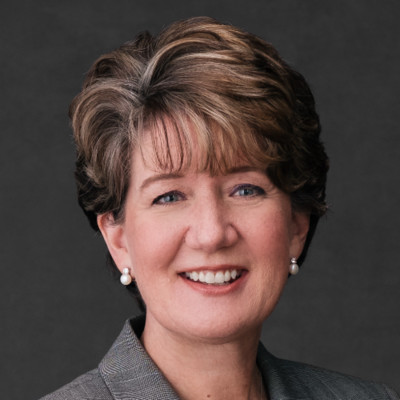
“We thought of (One Congress) as sort of a typical office building,” noted Tom O’Brien, CEO of HYM. “(Carr) had a vision for it that made some of the public places in that office building feel more like a high-end hotel.”
All in the family
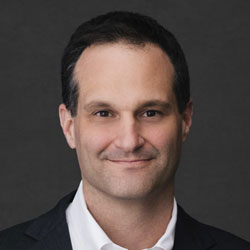
Carr comes from a long line of D.C. real estate developers. He is the son of Oliver Carr Jr., the centenarian chairman & former CEO of CarrAmerica, a firm that specializes mainly in hotels and mixed-use assets.
While Carr originally sought a career in corporate finance, he later earned a master’s degree in real estate development from Massachusetts Institute of Technology and “fell in love with the business.” He co-founded what would later become Carr Properties in the late 1990s with two of his classmates.
After going public in 2005 as Columbia Equity Trust, the firm was taken private in 2007 by a fund managed by J.P. Morgan Asset Management. In 2013, Israeli firm Alony Hetz acquired a significant stake and, following J.P. Morgan’s exit last year, became the company’s majority owner. As part of its withdrawal, J.P. Morgan took three office properties with it.
Now, with a new allocation of growth capital, the company is in a “rebuilding phase,” according to Carr.
“Office has been through a hurricane, really, for the last five or six years,” Carr said. “We’ve come through that storm in pretty good shape, and now we have an allocation of growth capital from our investors and are back to playing offense.”
For office, the firm is seizing the post-pandemic flight-to-quality mindset that it has long been familiar with. The team focuses on what Carr called a “good-to-great” strategy, acquiring existing office properties and upgrading them to Class A, highly amenitized trophy assets.
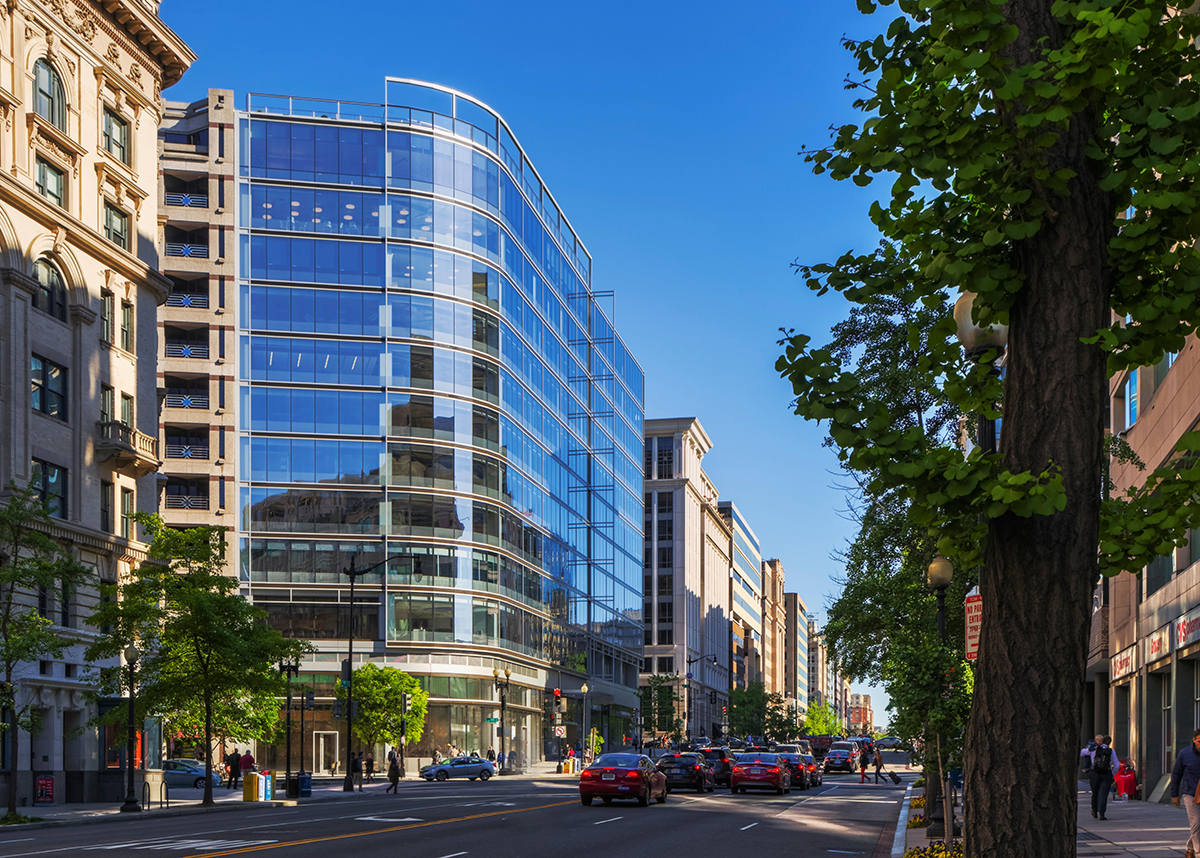
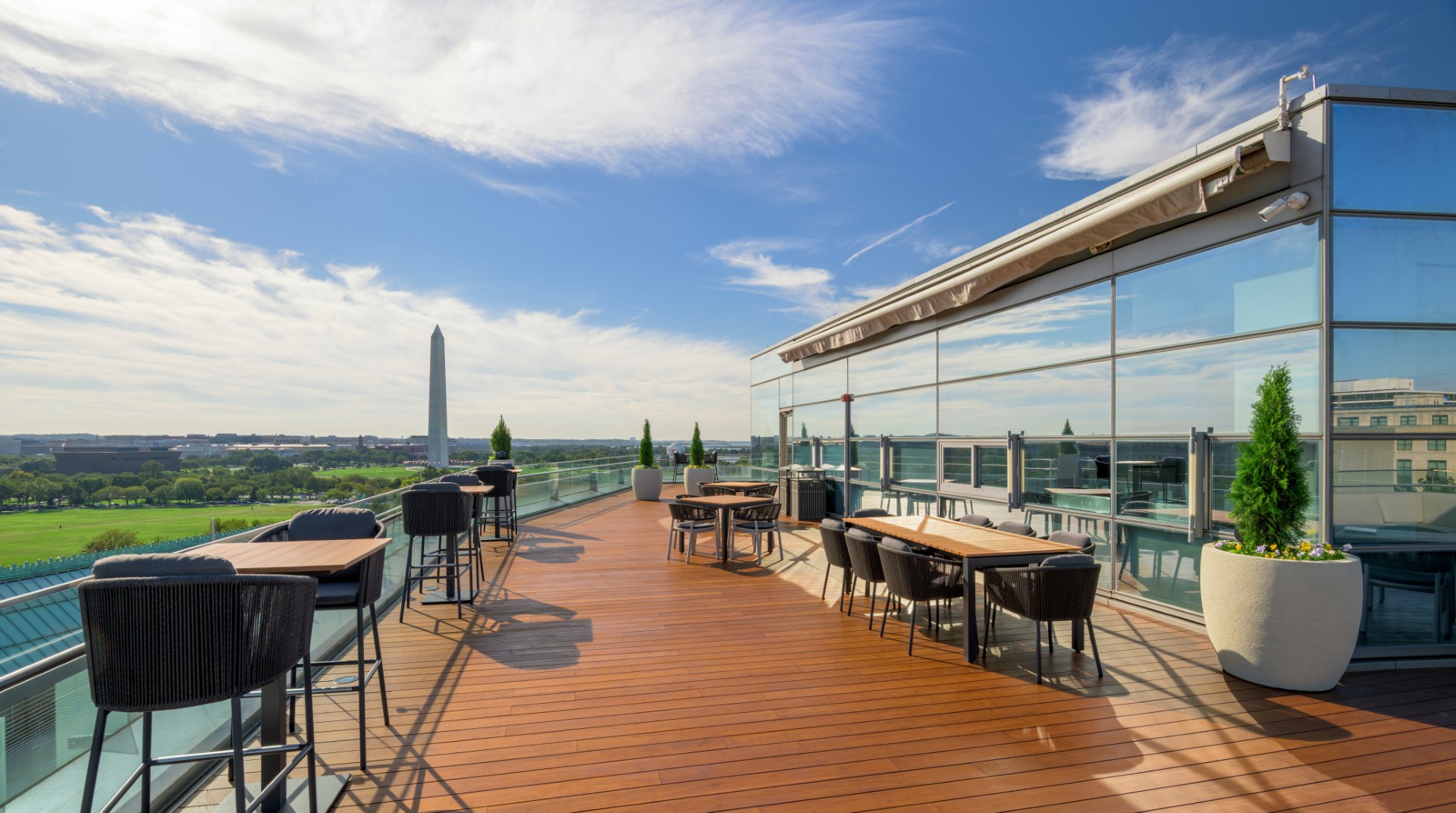
In January 2026, the company partnered with Barings to acquire 1401 New York, a 211,500-square-foot, 12-story office building in downtown Washington, D.C. The duo plans to upgrade the building’s rooftop with a new event space, refinish the lobby and renovate other building amenities.
“Barings’ strategy emphasizes cultivating relationships with best-in-class real estate operators and developers,” shared Kevin Miller, head of Barings’ U.S. real estate equity acquisitions. “And our relationship with Carr Properties is aligned with this approach.”
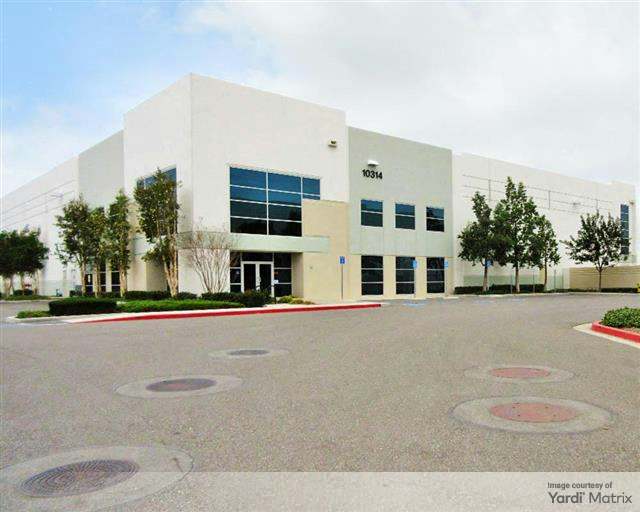
Regarding the state of the D.C office market, Carr called it “bifurcated.” While the city’s overall vacancy rate grew to 19.7 percent at the end of 2025, according to Yardi Matrix data, the figure for trophy-quality assets is hovering around 12 percent, Carr pointed out.
“If a company needs a large block of space, say 100,000 feet, and they want to be on an upper floor of a trophy building, there’s only a handful of options,” he noted. “The high-quality segment of the market is actually very tight.”
Meanwhile, older, less-competitive office properties are seeing higher vacancy rates, making them candidates for office-to-residential conversions or full redevelopments. Carr is focusing on redevelopments for its multifamily strategy because of the design limitations when converting office buildings to residential.
From the ground up
In addition to the firm’s acquisition and renovation strategy, Carr has embarked on several prominent development projects in recent years. While most of its current ground-up developments are focused on multifamily, the company has built and delivered trophy office buildings across its three markets.
“We look at a site, and we figure out who the customer base is for that site,” reported Austen Holderness, executive vice president, chief development officer and a nearly 20-year veteran at the firm.
Holderness pointed to Signal House, a 10-story creative office building in D.C.’s Union Market district, as an example of this demographic targeting. Among the asset’s amenities is a penthouse with a DJ booth, recording studio, karaoke bar and demonstration kitchen. In 2022, TikTok signed a 10-year, 50,000-square-foot lease at the building.
HYM’s O’Brien said that Carr’s approach helped the partners secure State Street as One Congress’ anchor tenant. The financial services firm signed a 510,000-square-foot, 15-year lease at the tower, and One Congress was fully preleased a year before its 2023 delivery. HYM and Carr also worked with National Real Estate Advisors on the development.
“I think the combination of our local knowledge and ability to get a project done, together with Carr’s vision for the building, helped us land State Street,” O’Brien shared.
And as the company dives deeper into multifamily, Carr will continue to employ this tailored approach, Holderness said. The firm currently has three multifamily projects in the pipeline across the D.C. metro, totaling more than 800 units. The first of those—Margot, a 237-unit project in Alexandria, Va.—is scheduled for completion by the end of 2026.
Charting a broader path forward
As Carr Properties looks to the future, its CEO hopes the company’s push into multifamily will help it diversify the brand while remaining true to what has set it apart.
But that doesn’t mean Carr will abandon office. Instead, it will continue to develop trophy-quality office buildings while also investing in upgrades to older assets. The leader describes this strategy as “playing on both sides of the challenged office market.”
He also reaffirmed the company’s commitment to a unique, hospitality-focused customer experience—whether for longtime office tenants or residents of the upcoming multifamily buildings.
“I hope we can look back and say that 2026 and the next several years were a time of real opportunity for the company,” Carr said.
And it does not take its role in shaping skylines lightly. Holderness emphasized the pressure the company feels when building a new tower and curating its amenities and features.
“We do see it as kind of a civic responsibility to get these (projects) right, because they’re going to be here forever,” the development executive noted. “We have to live with them.”



You must be logged in to post a comment.