

Denver Office Sales Stand Out Amid Shifting Metrics
The market shows mixed performance, according to Yardi Matrix.
Denver’s office sector witnessed opposing tendencies in November, according to Yardi Matrix data. Some key fundamentals lagged, while others showed surprising improvement.
Despite rising discount sales and foreclosures nationwide, the metro’s office investment activity kept it ahead of several major markets. Another bright spot for the Mile High City was the coworking sector, where the inventory witnessed solid growth.
Meanwhile, development activity maintained its downward trajectory: Deliveries fell sharply year-over-year, mirroring the current office real estate trends. Vacancy rates also remained elevated, despite the year-over-year decline.
Denver office investment strong
Investor activity in Denver totaled slightly more than $1 billion year-to-date through November, placing the metro fourth among its peers. Dallas led with $2.6 billion in sales, followed by San Diego with $1.3 billion, while Charlotte ($786 million) and Austin ($596 million) lagged behind.
Denver’s investment volume also surpassed that of some major markets, including Seattle ($739 million) and Miami ($654 million). Office properties sold for an average price of $108 per square foot—well below the national average of $190 per square foot and the lowest among peers. Dallas posted the highest average at $284 per square foot, followed by San Diego ($261) and Austin ($216).
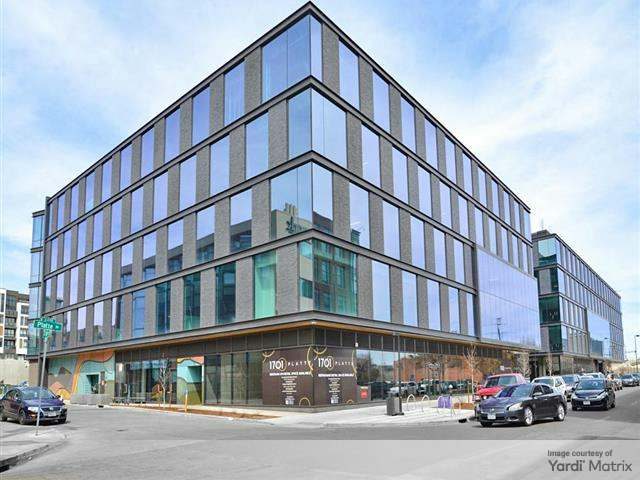
One of the largest office deals was the $135 million sale of One Platte, a 250,402-square-foot building sold by Shorenstein in July. Online sports betting company Bet365 acquired the property, which traded for $539.13 per square foot, after having established its U.S. headquarters there in 2024.
In a more recent transaction, Zurich Alternative Asset Management acquired The Citadel, a 130,652-square-foot office building in Denver. Matador Equity Partners sold the Class A asset for $52 million or $398 per square foot. Completed in 1987 at 3200 E. Cherry Creek S. Drive, the mid-rise underwent cosmetic renovations in 2017.
Denver developers build big but deliver less
Denver’s office pipeline totaled 604,628 square feet across five projects in November, accounting for 0.4 percent of the existing inventory—slightly below the 0.5 percent national average. When including planned projects, the development pipeline reached 1.2 percent of stock, still trailing the U.S. average of 1.7 percent.
The metro ranked fifth among its peers and 12th among the top 25 U.S. office markets for pipeline size. Dallas led with 2.6 million square feet, followed by Austin with 1.5 million square feet. At the opposite end, the Twin Cities had only 230,121 square feet underway and Yardi Matrix recorded no construction activity in Detroit or Portland.
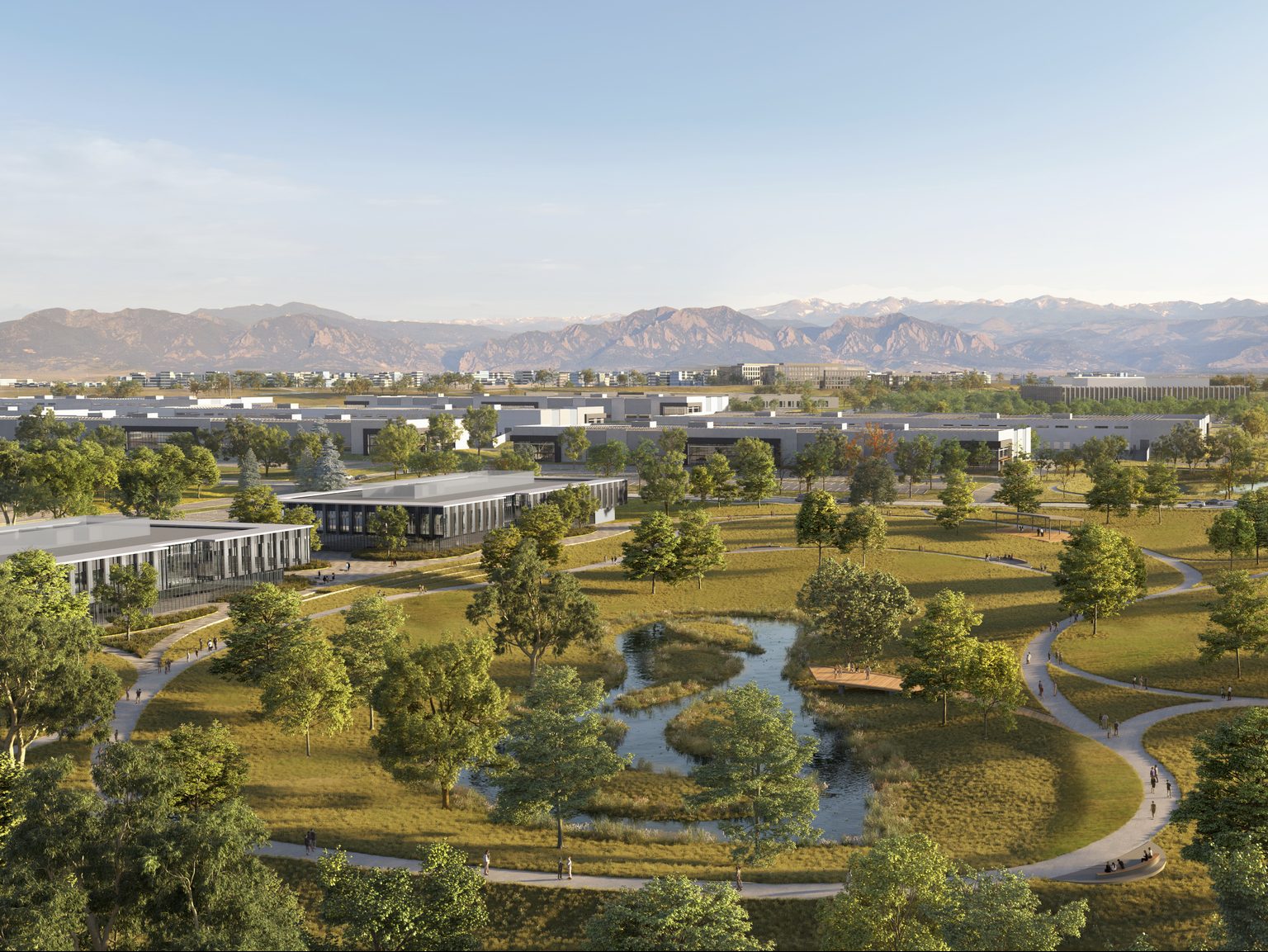
One of Denver’s largest planned projects is the 2.6 million-square-foot Redtail Ridge mixed-use campus in Louisville, Colo. In March, Sterling Bay and Piper Sandler Special District Group obtained $88 million in bonds to begin infrastructure work at the 389-acre, multi-phase innovation district. Redtail Ridge is expected to include 707,427 square feet of life science space and 336,127 square feet of traditional office space at full build-out.
Another noteworthy development is the 183,000-square-foot Building B3 at Clayworks, a 1.2 million-square-foot mixed-use campus in Golden, Colo. To serve as CoorsTek’s global headquarters when complete, the building will include 172,000 square feet of office space. AC Development broke ground on the project in 2024, after having secured $80.2 million in financing from UMB Bank. Delivery is expected in April.
As for office completions, they amounted to 375,114 square feet in the first 11 months of the year, accounting for 0.2 percent of Denver’s inventory. The figure marks a 71.6 percent drop year-over-year.
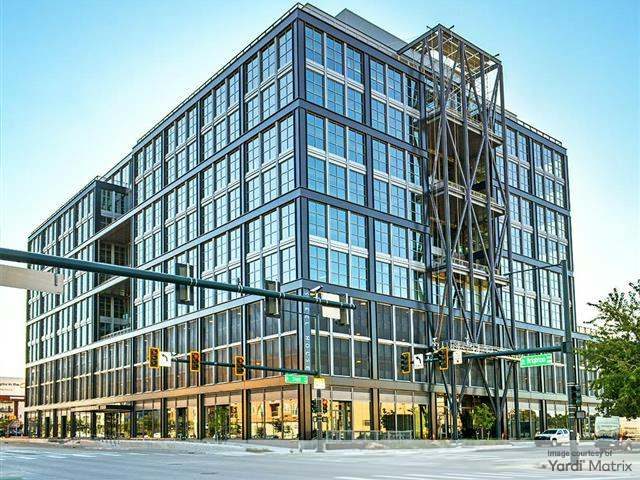
Denver’s largest office delivery year-to-date as of November was Steel House, a 321,308-square-foot project completed in June. Beacon Capital Partners brought it online with the help of a $100.2 million loan from Bank OZK. The property is LEED Gold-certified.
In terms of construction starts, developers broke ground on three office projects totaling 64,904 square feet as of November, up 56.5 percent year-over-year, according to Yardi Matrix.
Vacancy stays high, rents slide
Denver office space had an average vacancy rate clocked in at 23.5 percent in November—well above the 18.5 percent national average and unchanged from CPE‘s August market update. The index marked a 70-basis-point decline year-over-year but remained among the highest in the country.
Among similar markets, Denver outperformed only Austin, which posted also the highest vacancy rate in the U.S. at 26.8 percent. Nashville (17.7 percent) and Phoenix (17.8 percent) were at the opposite end.
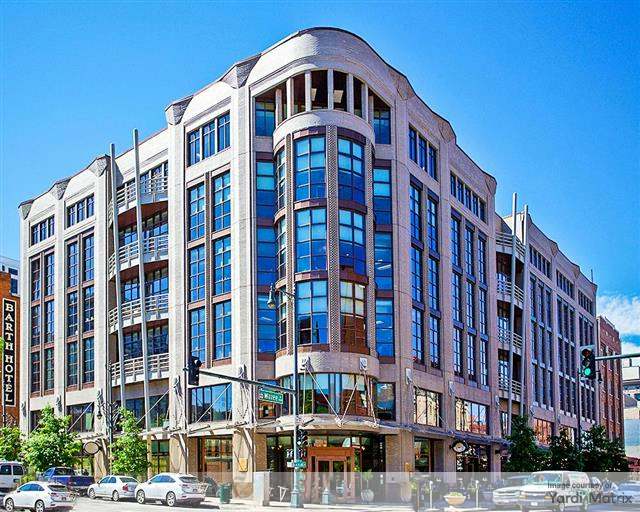
Average asking rents reached $29.28 per square foot, marking an 8.7 percent year-over-year decline. The metro barely surpassed peer markets such as Orlando ($27.47 per square foot) and Chicago ($28.09 per square foot), while Austin recorded the priciest average at $45.92 per square foot. The national average clocked in at $32.77 per square foot.
In one of the market’s larger leases, EOG Resources committed to 99,400 square feet at Millennium Financial Center, a 133,500-square-foot building owned by LaSalle in Denver’s LoDo neighborhood, according to Yardi Matrix. The oil and gas company will relocate from the 165,000 square feet it occupies at the Dominion Towers in the city’s CBD. That lease was to expire at the end of 2026.
Coworking footprint in growth mode
Denver’s coworking inventory totaled 4.1 million square feet across 257 locations in November, according to CoworkingCafe, up 10.8 percent from the 3.7 million square feet recorded at the end of June. The metro’s flex office footprint reached 2.4 percent of the total leasable inventory, placing it on the third spot among its peers behind Nashville (3.2 percent) and San Diego (2.7 percent).
In terms of square footage, the Mile High City outperformed most peer markets with the second-largest coworking inventory after Dallas (6.7 million square feet). On the opposite end was Orlando, with 1.6 million square feet of flex office space.
Regus remained the leading flex office operator in Denver, with 804,645 square feet. Other major coworking firms included WeWork (307,846 square feet), Spaces (179,696 square feet), Catalyst (170,000 square feet) and Humanly (159,918 square feet).



You must be logged in to post a comment.