


Atlanta’s Industrial Development Grows as Vacancy Edges Up
Atlanta’s industrial market posted a strong pipeline and steady investment, according to Yardi Matrix data.
Atlanta’s industrial market remained active through October, as construction and leasing activity continued to demonstrate steady momentum.
The metro’s development pipeline expanded significantly year-over-year, with more than 11 million square feet underway—nearly triple the volume recorded at the same time in 2024.
While deliveries slowed compared to last year, overall development levels remained above the national average. Investment activity was also healthy, totaling nearly $1.6 billion in sales, according to Yardi Matrix data.
Construction pipeline expands sharply year-over-year
Atlanta had 11.6 million square feet of industrial space under construction across 44 facilities, accounting for 2 percent of total stock and outpacing the 1.8 percent national average. This marked a substantial increase from the same period last year, when just 4.1 million square feet across 16 properties were underway.
Among peer markets, Dallas (32.7 million square feet) and Phoenix (19.3 million square feet) led activity, while Indianapolis (5.3 million square feet) and Kansas City (3.3 million square feet) posted smaller pipelines.
Year-to-date through October, 6.5 million square feet of industrial space broke ground across 24 properties.
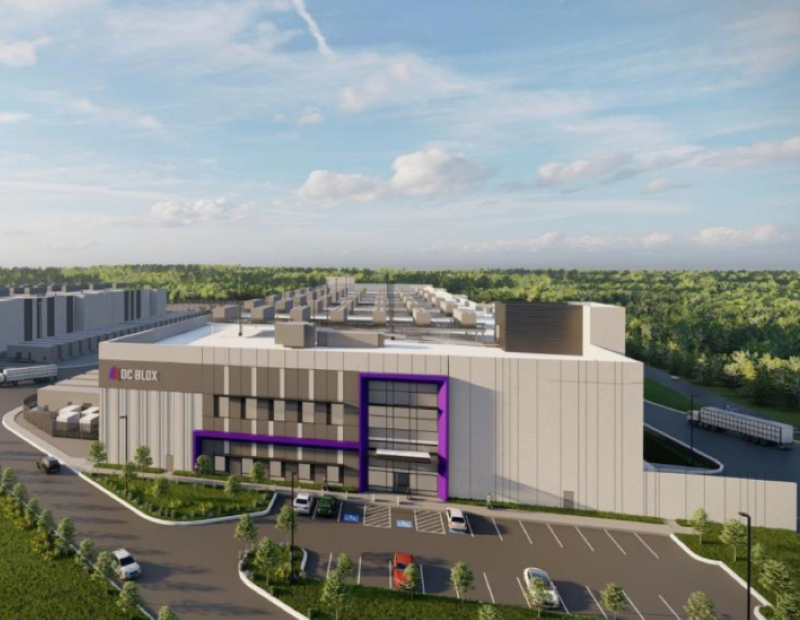
One of the largest projects under development is DC BLOX’s Atlanta West Hyperscale Data Center Campus in Lithia Springs, Ga. The 1.3 million-square-foot facility is designed to meet the demands of cloud and AI workloads, with initial capacity expected by 2027.
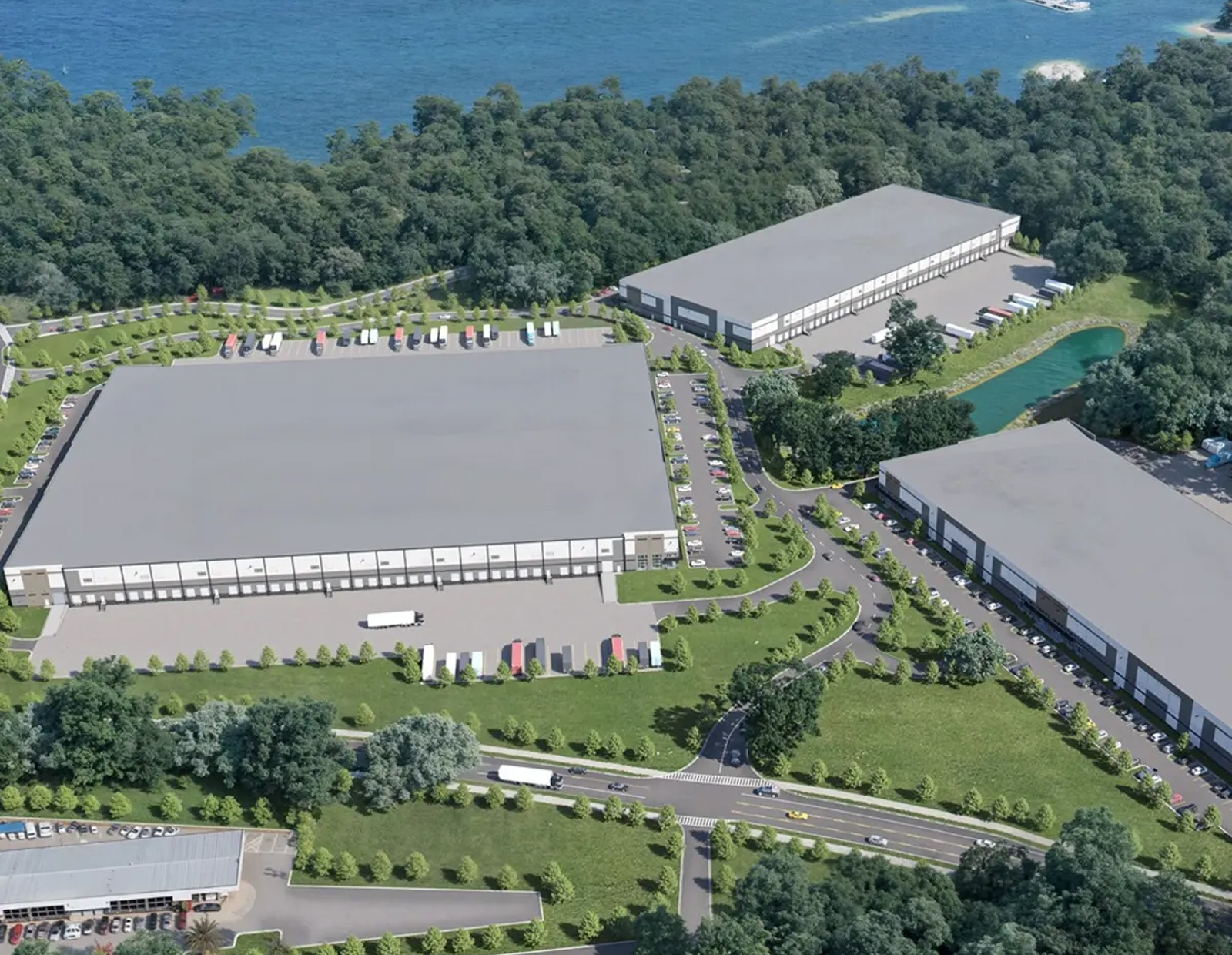
In September, a partnership between Trammell Crow Co. and a consortium led by CBRE Japan broke ground on Buford Creek Business Center, a 686,400-square-foot industrial park in Buford, Ga., slated for completion by the third quarter of 2026.

Around the same time, Chicago-based Logistics Property Co. began the second phase of Gainesville 85 Business Center in Gainesville, Ga., which will add two buildings totaling 326,040 square feet.
Deliveries ease from last year’s pace
As of the end of October, 5.5 million square feet of industrial space across 17 properties, representing 0.9 percent of total stock—slightly below the 1.2 percent national average. Industrial deliveries were lower than in October 2024, when 23 properties totaling 7.8 million square feet came online.
Dallas (16.6 million square feet), Phoenix (14.7 million square feet) and Kansas City (12.6 million square feet) led completions nationally, while New Jersey (6.2 million square feet) and Indianapolis (1.5 million square feet) were at the lower end of the spectrum.
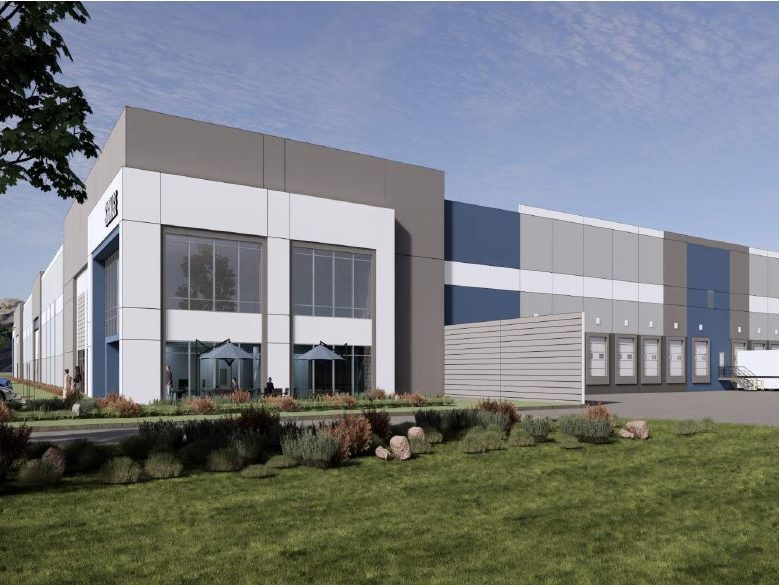
Door and window manufacturer Andersen Corp. delivered a 638,000-square-foot manufacturing and distribution facility in Locust Grove, Ga. The property is part of The Cubes at Locust Grove campus.
Also in Locust Grove, Stonemont Financial Group delivered Building B at Stonemont Park 75 South, a 903,701-square-foot industrial property. Stonemont acquired the 113-acre site in January 2023, with plans for three rear-load buildings ranging from 124,800 to 538,720 square feet.
Investment activity holds steady
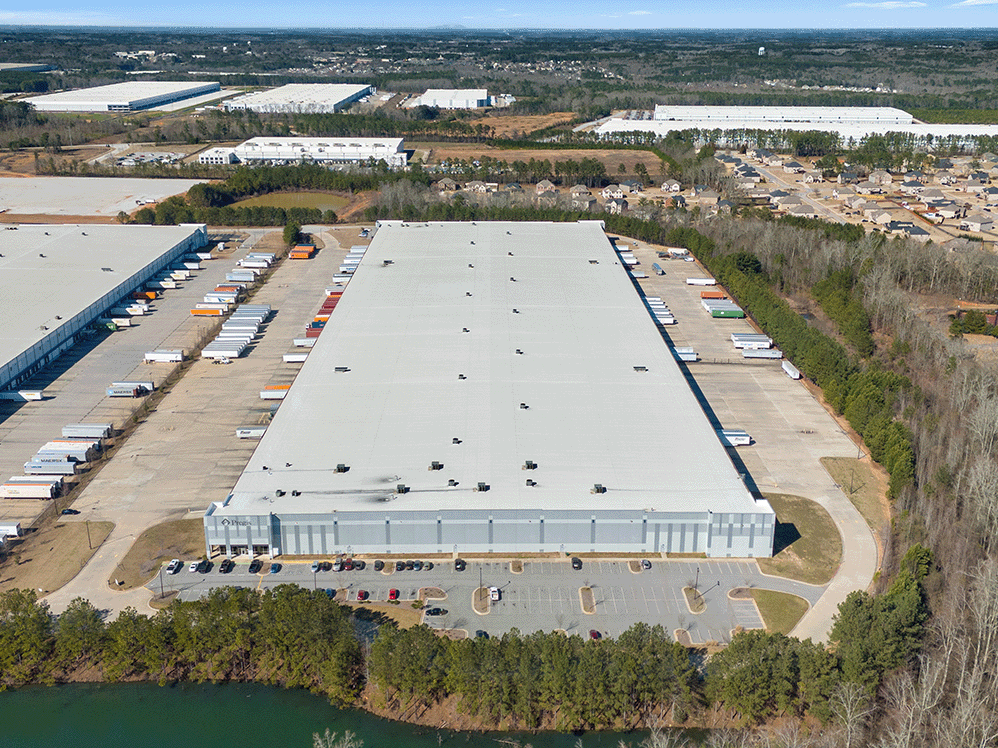
Atlanta’s industrial sales volume totaled nearly $1.6 billion year-to-date through October, Yardi Matrix data shows. Nearly 16 million square feet of industrial space, spread across 141 facilities, changed hands.
Atlanta industrial space traded at an average sale price that reached $131.04 per square foot, below the national average of $136.41. Among peer markets, only New Jersey ($228.47 per square foot) and Phoenix ($176.24 per square foot) had higher pricing, while Chicago ($86.94 per square foot) and Kansas City ($83.61 per square foot) saw lower figures.
CenterPoint Properties purchased a 395,750-square-foot industrial asset in Lithia Springs, Ga., for $51.6 million, marking its second investment in metro Atlanta this year. IDI Logistics was the seller.
Link Logistics also acquired Clayton Commerce Center II, a 365,490-square-foot distribution facility in Ellenwood, Ga., from TA Realty for $44.8 million. In August, Link Logistics sold a two-building, 1.6 million-square-foot industrial portfolio in McDonough, Ga., to Bridge Logistics Properties, expanding the buyer’s national footprint to 16.3 million square feet.
Vacancy rises but remains below national average
Atlanta’s industrial vacancy rate at the end of October stood at 8.7 percent, slightly below the 9.6 percent national average, according to Yardi Matrix. The metro’s in-place rents averaged $6.55 per square foot, up 8.8 percent year-over-year, while newly signed leases averaged the same rate.
Among peer markets, Dallas–Fort Worth (11.6 percent), New Jersey (11.4 percent) and Phoenix (10.7 percent) reported higher vacancy levels, while Nashville (7.7 percent) and the Inland Empire (8.1 percent) maintained tighter conditions.





You must be logged in to post a comment.