

Inside Retail’s Shopping Spree
Vibrant market conditions are keeping investment humming.

Retail investment is booming. Some major moves in early fall illustrated the steady stream of activity, notably by institutional investors. In early October, Federal Realty Investment Trust paid $508 million for The Summit, an 870,000-square-foot lifestyle center in Birmingham, Ala. According to Newmark, which arranged the transaction, the sale price set an Alabama record for a single commercial real estate asset.
That deal followed one of the largest corporate-level moves of the year. Brixmor Property Group and Everview Partners announced plans for the $2.3 billion acquisition of Toronto-based Slate Grocery REIT. The joint venture will own the lion’s share of that portfolio, encompassing 12 million square feet.
Consistent consumer spending, limited new construction and an expanding range of tenants have made retail—considered an underperforming asset class only a few years ago—a hot commodity.
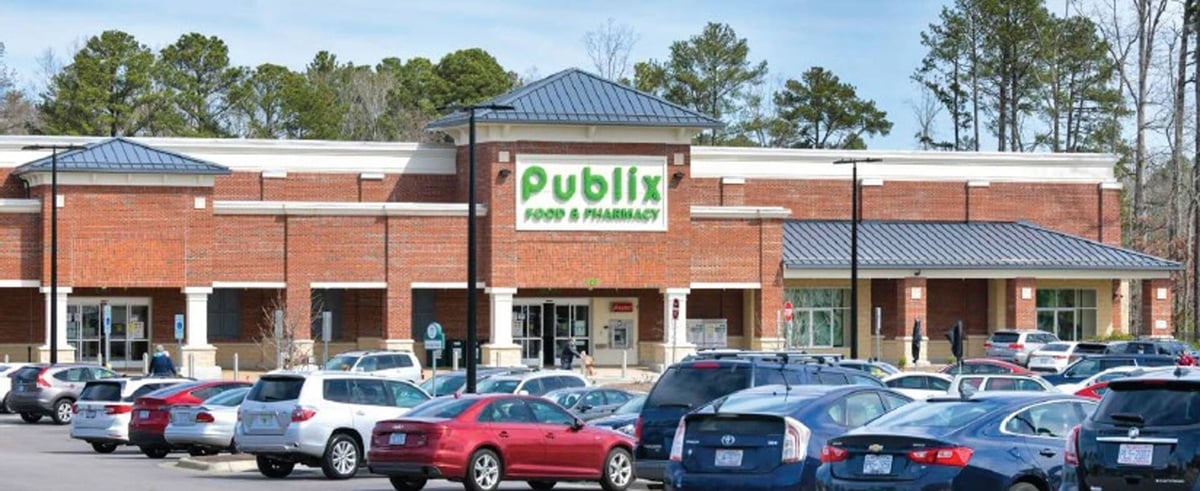
Despite persistent inflation, consumer spending continues to support strong retail fundamentals. Consumer spending was up 6.7 percent year-over-year during the second quarter, according to Newmark’s Q2 2026 U.S. Retail Trends report.
Wavering confidence suggests some concerns on the horizon. The University of Michigan’s preliminary consumer sentiment index for October dipped 3.7 percent from the previous month and 13.6 percent year-over-year.

Despite the shocks of the Middle East conflict and other economic issues, spending held steady into the third quarter, as it ticked up 0.9 percent month-over-month in August, the U.S. Bureau of Economic Analysis reported. Grocery-store spending continues to rise, and grocers are planning to add more than 21 million square feet in 2026, according to CBRE.
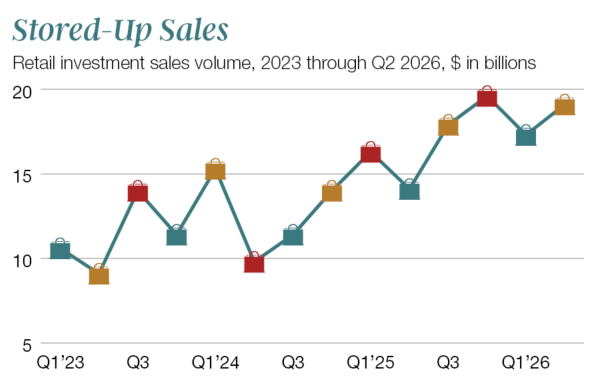
These indicators are translating to a steady increase in transactions this year. Deal volume reached $17.1 billion in the first quarter of 2026, the highest total since 2022, according to Brandon Isner, head of U.S. retail research at Newmark. The second quarter topped that total with $19.1 billion in deals.
Also during the second quarter, supply-demand dynamics produced 8.4 million square feet of net retail absorption, the best performance in two years. That trimmed retail availability to just 5.2 percent, according to Newmark’s report.
Demand factors
“Overall, retail fundamentals are strong,” noted Isner, “Retail has overcome so many obstacles over the past couple of decades, from the great financial crisis to e-commerce and the pandemic. There’s always a retail concept that adjusts to what’s happening in the overall economy.”

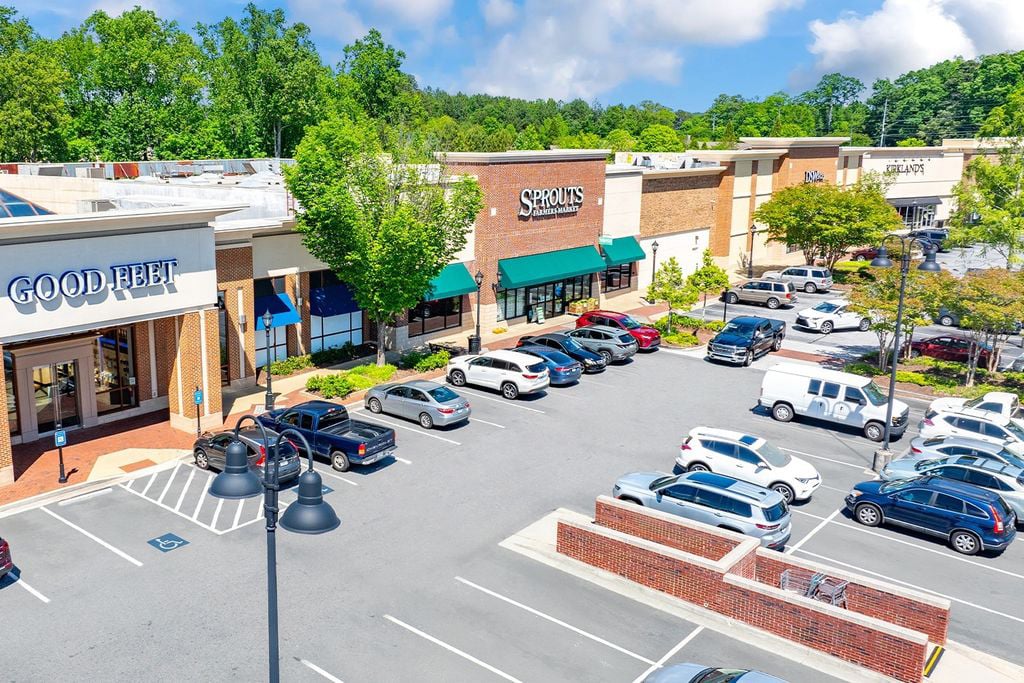
Investor appetite is strongest for open-air shopping centers, including neighborhood centers; power centers anchored by a major national retailer such as Lowe’s, Kohl’s or Target; and grocery-anchored centers, according to Danny Finkle, executive managing director & co-head of JLL’s retail platform.
“Occupancy rates are at all-time highs and landlords are able to backfill storefronts quickly if a tenant leaves,” Finkle said. “Rents are growing at a healthy clip, and landlords are able to grow NOI at shopping centers, so naturally investors are interested in them.”
The number of retailers has steadily dwindled over the years in such categories as electronics, home goods and sporting goods, according to Daniel Katz, managing partner at KPR Centers, which owns shopping centers in 19 states. The survivors gained market share and need more locations for expansion. “Older shopping centers and malls got repositioned for medical, industrial and multifamily uses, plus the lack of construction means space is in short supply now that the pendulum has swung and tenants want to expand,” he said.
Other market dynamics are powering investment, notably the lack of new product. More than 100 million square feet of retail space was delivered annually from 1998 to 2008, but “since 2009, there’s never been more than 35 million square feet delivered in any year,” observed Katz.
Barrier benefits

Aside from some development in Sun Belt markets such as Phoenix, Dallas and Florida—where new housing subdivisions generate more demand—little significant retail development is on the horizon, according to Scott Schnuckel, managing director of Americas retail at CBRE. With some noteworthy exceptions, redevelopment has replaced new construction. “Retailers are willing to stretch on rent in locations that don’t have competing retail, but interest rates and construction costs are so high that it’s hard to make the numbers work in other locations,” he said.
The high cost of new development creates barriers to entry, as well. Josh Dinstein, co-CIO at Continental Realty Corp., estimates development costs at $500 per square foot and up, compared to average rents of about $25 per square foot.
High barriers to entry, when combined with low occupancy, create attractive value-add opportunities. Continental Realty owns about 10.5 million square feet of retail with a preference for open-air properties. The firm focuses on growth-market fundamentals and targets locations where tenants can be readily replaced in the event of a market downturn.
“At least 50 percent of our tenants are service-oriented businesses rather than traditional retailers,” reported Dinstein. “We love the diversity of medical and entertainment tenants.” The firm prefers properties that offer a combination of vacant space for rent and leases at below-market rates that are up for renewal.
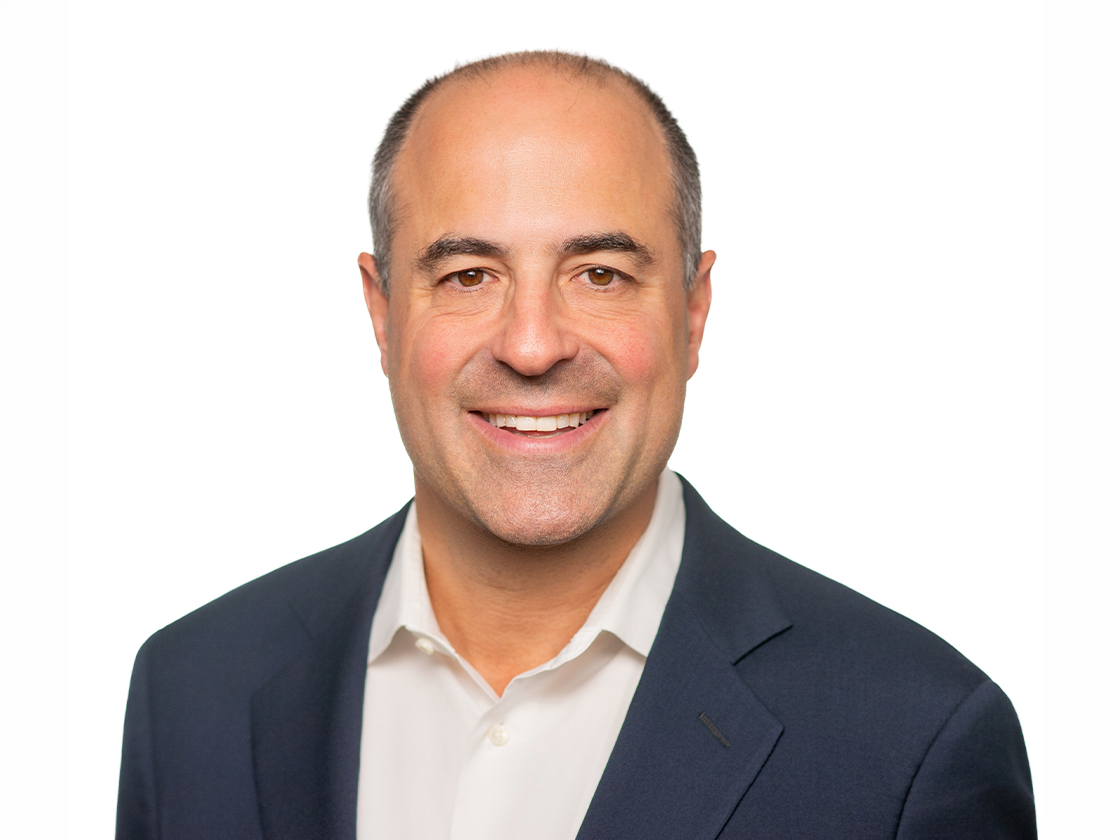
Continental typically sells stabilized properties after adding value. “We look for properties where we can lease vacant space, sell off small pieces of a property and renegotiate leases where tenants are paying below market rents,” he said. “We’re not doing redevelopment or densification, so we’re able to generate healthy returns without a lot of risk.”
In May, the company acquired a seven-state, 2 million-square-foot national portfolio from U.S. Properties Group. The largest of the 14 properties is Shoppes at Morrow Station, a 485,000-square-foot power center southeast of Atlanta in Morrow, Ga. Another major asset is The Streets of Indian Lake, a 300,000-square-foot lifestyle center in the Nashville suburb of Hendersonville, Tenn.
Capital chase
Katz pointed out that while some buyers have been priced out of Sun Belt markets and are looking at the Northeast and the Midwest, rent growth and high occupancy can be found pretty much anywhere. Those conditions are also attracting financiers. “Competition is heating up for retail investing, with institutional investors, REITs and private investors all coming in with new capital,” he added.

A marquee example involving an institutionally owned property is the $400 million refinancing of Brookfield Properties’ Natick Mall in Natick, Mass., a Boston suburb. Bank of America and JPMorgan Chase Bank will co-originate the financing for the 1.7 million-square-foot super-regional retail center, which is New England’s largest enclosed mall. Brookfield acquired the asset in 2018 when it bought General Growth Properties.
One reason for the competition among lenders, according to Finkle, is that retail offers both immediate cash yield and long-term appreciation. In many markets, there are opportunities to buy shopping centers below replacement cost, he added. While the Sun Belt has the highest occupancy rates, there are opportunities for expansion and redevelopment across the Mid-Atlantic, the Northeast and the Midwest, he noted.
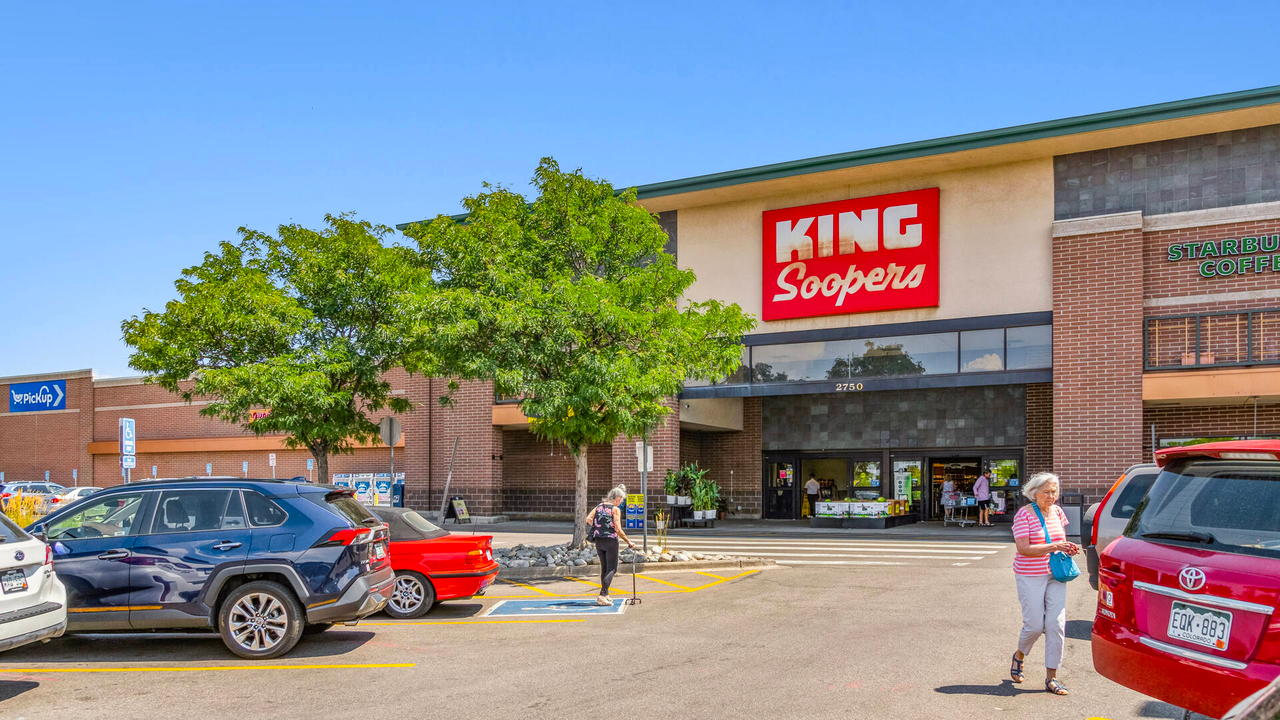
For investors wary of an economic slowdown, essential retail offers attractive options, such as grocery-anchored centers that serve daily and weekly consumer needs, Schnuckel said. Value stores perform well in every economy since they draw customers from households at a variety of income levels.
Most retailers are getting better technology and better management to track their stock and control inventory in case of future economic shocks, Katz added.
“The retail industry overall has learned through its ups and downs,” Finkle said. “It’s been tested by the great financial crisis, the ‘e-apocalypse’ and the pandemic. Each time, it has adapted, thrived and reinvented itself.”







You must be logged in to post a comment.