
Is Entitlement Risk Reshaping Industrial Development?
Longer timelines, tougher scrutiny and rising mitigation costs are changing how developers site, design and negotiate projects.
This article first appeared in the CPE Sneak Peek Newsletter. Subscribe now for early access to exclusive content, in-depth analysis and key trends!
Industrial entitlement used to be largely a land-use exercise: Is the property zoned correctly? Does the site plan meet the code? Can the developer demonstrate adequate traffic circulation, parking and infrastructure?
Those questions still matter. But as warehouse development reaches the edges of residential neighborhoods—and communities become more familiar with the traffic, air quality and land-use implications of logistics facilities—the path to approval becomes more complicated.
Developers are responding by treating community acceptance as a variable that must be identified, priced and managed before an application is filed.
“There’s a growing expectation that developers understand not just what is legally permissible but what is likely to be politically and practically supportable,” said Paul Shadle, partner with DLA Piper’s Development, Land Use and Government Affairs practice.
That can mean moving a building farther from homes, adding berms and mature landscaping, changing truck routes, improving offsite roads, upgrading architecture or agreeing to operational restrictions. It can also mean spending more before there is certainty that a project will be built.
READ ALSO: Turning Brownfields Into Data Centers
The shift extends beyond individual projects. A 2025 study in the Journal of the American Planning Association examined 92 zoning actions related to warehouse and distribution development across 67 U.S. locations. Of those, 76 occurred after 2020. Researchers found that jurisdictions are increasingly using discretionary permitting, industrial development standards, conditional-use requirements, moratoria and permit denials to manage the effects of logistics development.
In California, the response has moved into statewide regulation. Beginning this year, certain logistics developments near sensitive receptors must comply with standards governing loading-bay orientation, truck circulation, access points, buffers and screening. As a result, the definition of a viable industrial project is changing, as are the land deals, underwriting assumptions and design decisions behind it.
Pricing industrial entitlement risk
The first adjustment often happens before a developer reaches the public hearing. Uncertainty and longer approval timelines are increasingly reflected in land values, acquisition structures and development pro formas.
“Developers and their capital partners factor these variables into the price they are willing to pay for land and, in many cases, will not close on a property until all approvals are obtained,” said David Boyd, principal of Houston-based Boyd Commercial. “Shovel-ready sites command a premium today.”
The dynamic is visible in Los Angeles, for example, where new warehouse standards and organized resident opposition have made entitlement risk more apparent to investors.
“When rents were moving 15 percent a year, 12 extra months of entitlement was an annoyance. At today’s rents, it’s the whole deal,” said Frank Schulz, managing director with The Klabin Co./CORFAC International.
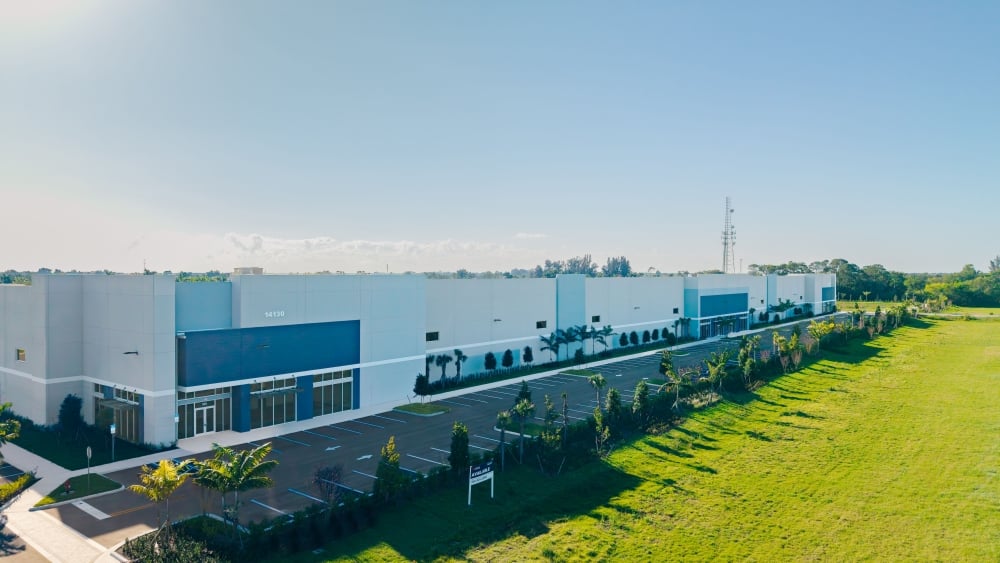
The calculation increasingly comes down to the cost of time, according to Mark Levy, chief investment officer with FRP Development Corp. The firm’s Logistics Center at Delray in Florida’s Palm Beach County required changes involving buffers and screening, traffic and access, architecture, truck circulation, stormwater, infrastructure and operations. None of those modifications necessarily threatened the project on its own but collectively, they affected site efficiency, construction costs, design coordination and, to a certain degree, leasable area.
The review process itself is also becoming more layered. Shadle said industrial projects have long faced scrutiny over traffic, noise and environmental issues, but developers are now navigating more impact studies, public hearings, community meetings, temporary moratoria and project-specific restrictions.
That creates a feedback loop: Uncertainty raises capital costs, potentially lowering the value of an unentitled site, while projects with approvals in place become more attractive.
The effect varies by market. In supply-constrained infill locations, scarce land can give owners substantial negotiating power, according to Noel Liston, managing broker at Core Industrial Realty in Chicago. Larger parcels in secondary and tertiary markets may give buyers more room to adjust their land basis for entitlement risk.
Because those costs begin accumulating well before construction, developers are trying to identify political and community resistance before committing to a site.
Community engagement starts with site selection
The most effective industrial entitlement strategies begin before the formal approval process, according to Shadle. Developers are conducting political, regulatory and infrastructure diligence early, consulting with land-use officials and economic development agencies and identifying likely objections before they become formal barriers.
For Crow Holdings Development, that work begins with selecting municipalities receptive to industrial developments and sites likely to be well received. At its 474-acre Apex industrial campus in Logan Township, N.J., the company worked with township professionals early and emphasized what modern industrial operations actually look like, said Clark Machemer, senior managing director.
Crow’s engagement can also extend beyond the building. At projects in the Philadelphia area, the firm supported an Economic Opportunity Plan intended to increase participation by minority-, women- and disabled-owned businesses, and contributed to the Philadelphia Tree Fund. One project included more than 1,000 trees onsite.
Some jurisdictions are formalizing similar expectations. In California, Riverside County’s good-neighbor guidelines call for warehouse applicants to engage existing communities during the entitlement process so concerns can be addressed through site design and other measures.
Early conversations can reveal whether concerns about traffic, pollution, safety or residential proximity can be resolved without fundamentally weakening the project. That intelligence increasingly shapes the physical plan ultimately submitted for approval.
Design becomes risk management
Once developers understand what a community is likely to oppose, the site plan becomes a negotiating tool.
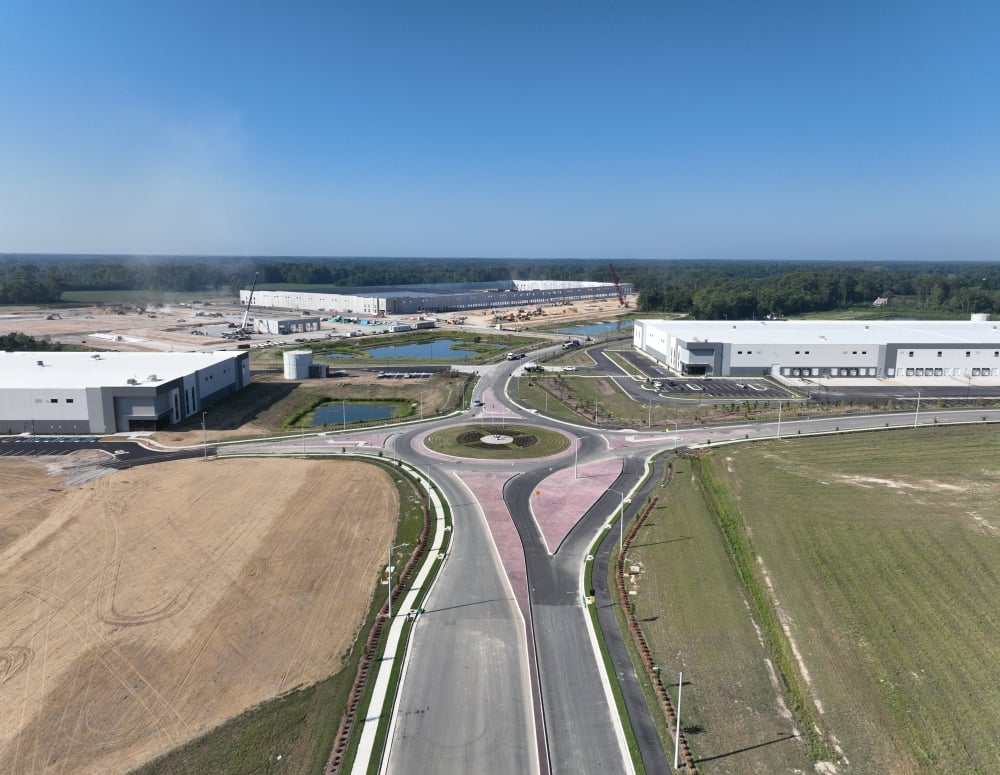
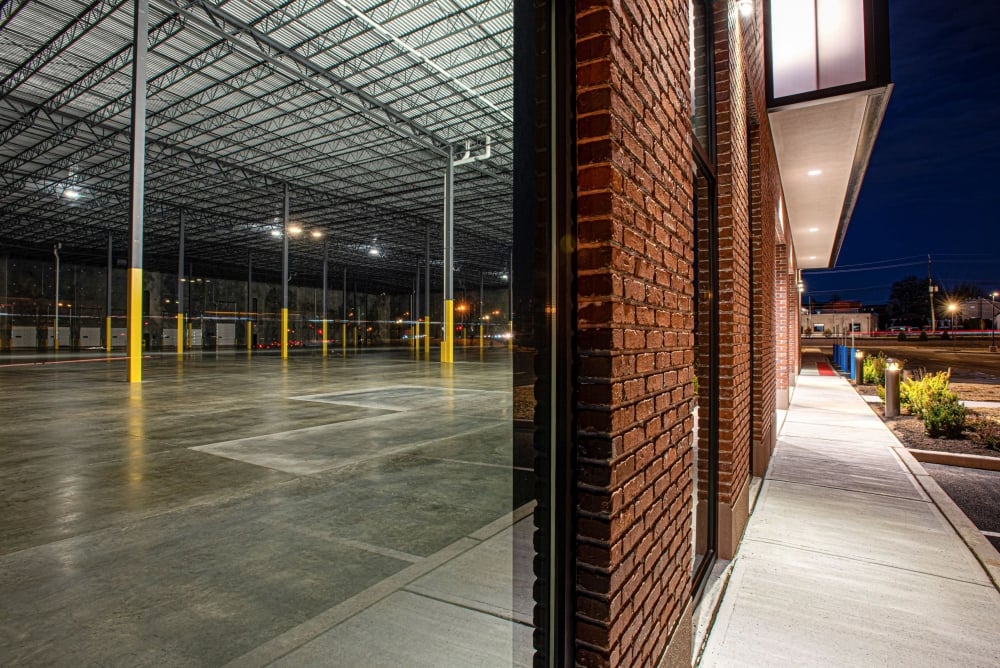
According to Stuart Saft, partner & real estate practice group leader at Holland & Knight, communities want industrial buildings to move away from the traditional monolithic big-box model. Developers are responding with berms, mature tree buffers, upgraded façades, stormwater features, solar readiness, white roofs, LED lighting and, in some cases, smaller or multistory facilities.
The same principle applies to circulation. Developers may position truck courts away from residential areas, separate truck entrances from passenger-vehicle access or change loading configurations.
In Columbus, Ohio, public concerns directly influenced the design of a warehouse project near township homes, according to Tony Celebrezze, deputy director of the city’s building and zoning services. The building was moved to the far side of the parcel, a retention pond was placed between the homes and warehouse, and truck parking was shifted away from the residential edge.
READ ALSO: How Significant Is the Backlash Against Data Centers?
Phoenix has seen similar negotiations around industrial proposals. Tricia Gomes, deputy director of the city’s planning and development department, said common concerns include noise, truck traffic, hazardous materials and pollution. In one rezoning, feedback from staff, the village planning committee and the city council office led the applicant to pursue a PUD that limited industrial uses and created a significant buffer next to single-family homes.
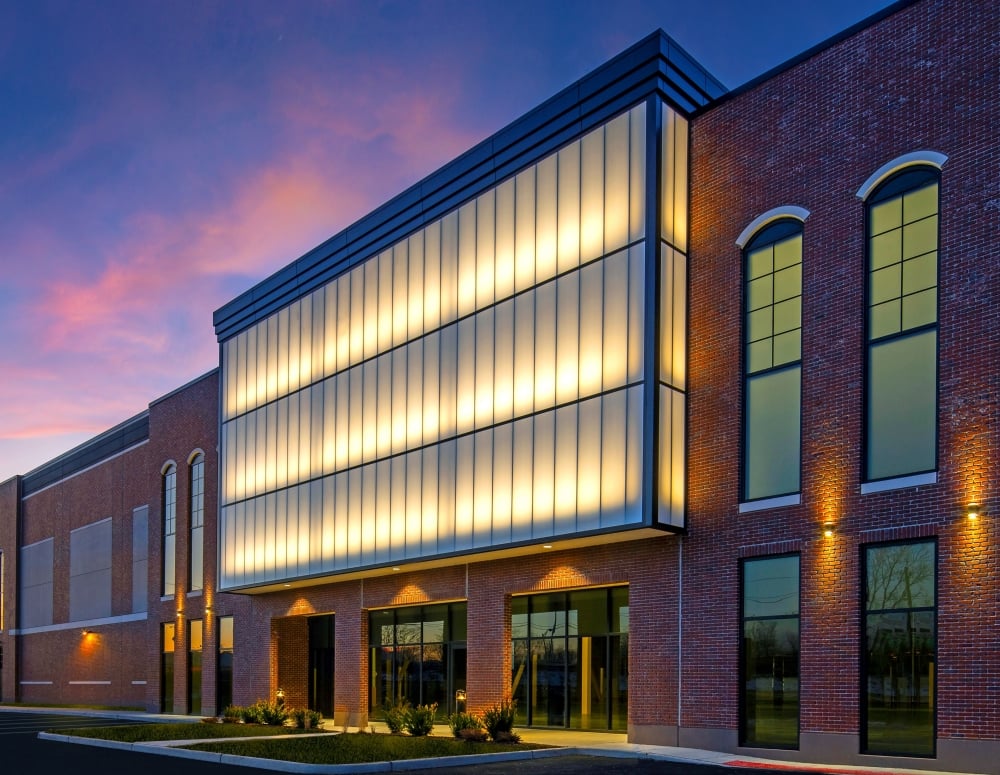
At 25 Market St. in Elmwood Park, N.J., Crow went beyond the standard industrial template, creating a design that referenced the site’s history with a brick façade and architectural details inspired by the former Marcal facility that once occupied the site. The enhancements added roughly $1 million, or about $5 per square foot, to the project cost but produced a distinctive building that ultimately attracted MLB Network. The investment ultimately became the property’s competitive advantage.
In all these cases, the entitlement strategy shaped building placement, circulation, allowable uses and architectural identity, decisions that can determine site yield and the range of tenants a property can accommodate.
The cost of compromise
Yet, designing around community concerns has its limits. Industrial buildings are operational real estate. Truck courts, loading positions, trailer storage, access points and circulation are not cosmetic features. They determine which tenants can actually use a property.
“Buffers eat up the truck court and truck court is what a logistics tenant is actually paying for,” Schulz said.
Added setbacks, restricted loading or limited access can reduce dock positions or yard depth. Restrictions on nighttime operations can eliminate certain e-commerce or parcel-delivery users. In some cases, an approved project can end up competing for roughly half the tenant pool originally envisioned, according to Schulz.
That creates a paradox at the heart of the new industrial entitlement environment: The same measures that make a project easier to approve can also make it harder to lease.
The solution, according to Levy, is not to fight every concession. “Trying to win every point” can be counterproductive. Developers must distinguish between requirements that materially impair a project and relatively modest investments that generate community support or reduce approval risk.
“The more important skill today is understanding which battles actually matter,” Levy said.
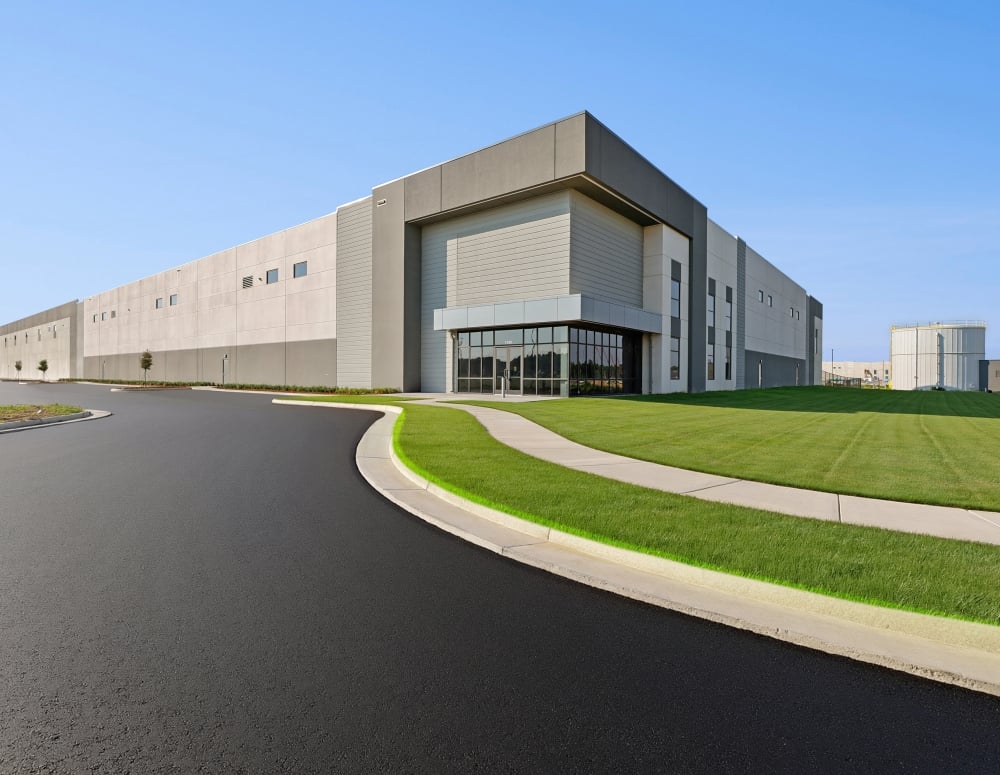
At Rockefeller Group’s Port 460 project in Suffolk, Va., that calculation included extensive landscaping, a traffic circle and offsite improvements to Route 460 and the Route 58 exit. Olivia Millspaugh, director of Northeast development at the company, noted that such requirements increase costs and can reduce profitability, but developers must determine what a project can also absorb before it falls short of its financing hurdle. The project required a two- to three-year rezoning effort and a lengthy approval process. Throughout that period, the team addressed traffic, infrastructure, safety and architectural concerns while working to preserve the development’s viability.
“It’s a balancing act,” Millspaugh said. “Development is a public-private partnership and you have to be willing to go into a project prepared to be flexible within the guardrails of your investment thesis.”
The broader shift, she added, is that municipalities are becoming more informed. Communities increasingly understand the jobs, tax revenue and redevelopment benefits associated with logistics facilities, while also expecting developers to minimize disruption, particularly around traffic and road safety.
FRP’s Southwest Ranches project in South Florida illustrates what’s at stake. The 24-acre site required more than two and a half years of entitlement work before the planned 300,000-plus-square-foot logistics development could move forward. The project is now positioned to deliver Class A industrial space in a supply-constrained market where well-located developable land is scarce.
“Our objective is not to obtain the theoretically cheapest entitlement,” Levy said. “It is to obtain an economically viable entitlement that we can finance, build, lease and ultimately own or sell with a high degree of confidence.”


You must be logged in to post a comment.