


Austin Airport Closes $1.2B Bond
This marks the largest municipal bond sale in the history of the city.
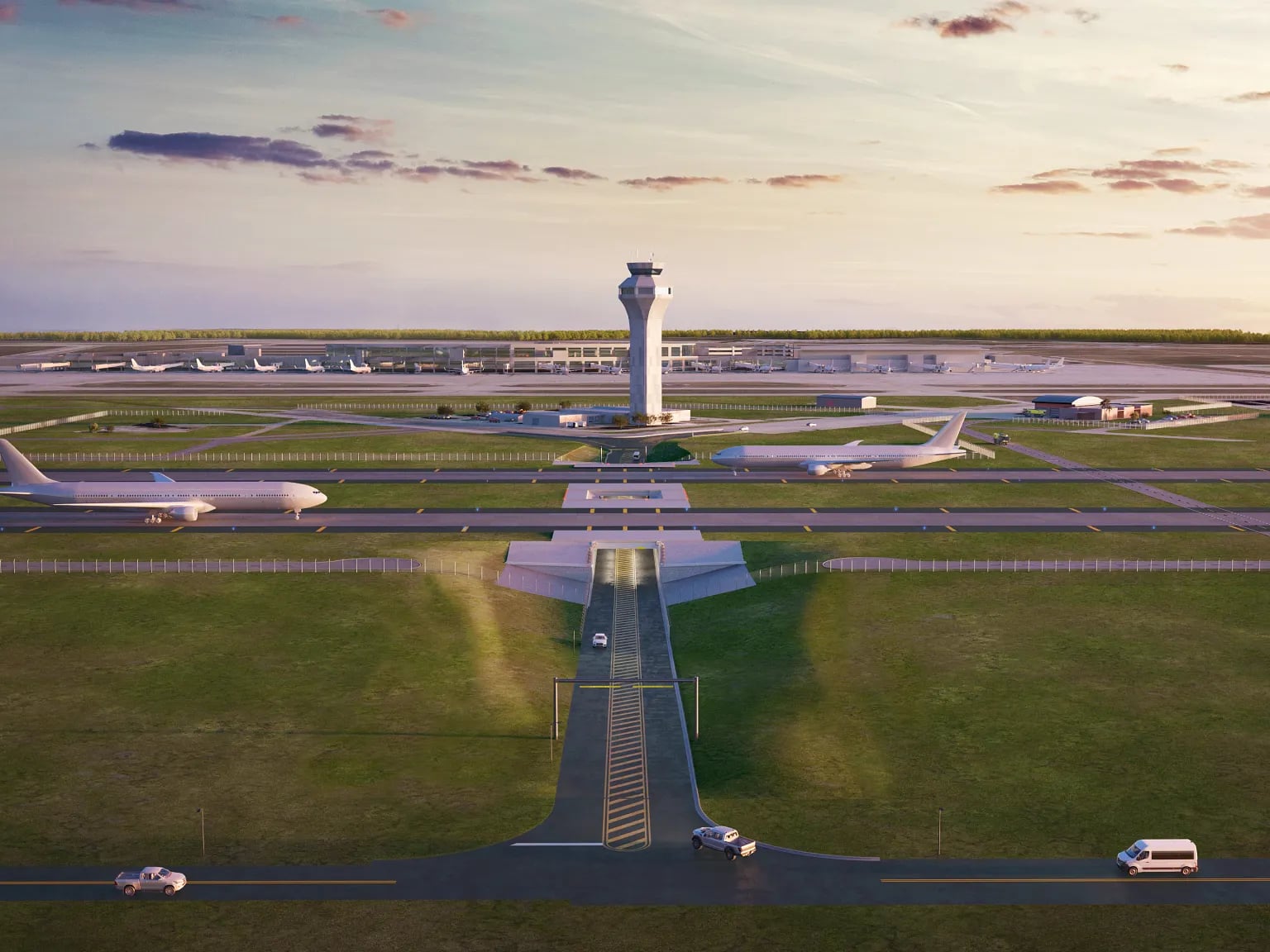
The largest municipal bond sale in the history of Austin, Texas, has closed. Austin-Bergstrom International Airport obtained nearly $1.2 billion to support its ongoing expansion efforts.
The funding allows the airport to move forward with critical improvements that will enhance passenger capacity and aid Central Texas’ economic vitality, according to prepared remarks by AUS CEO Ghizlane Badawi.
The entity also expects to issue approximately $4.2 billion in additional bonds through 2030 to fund future phases. These efforts are part of the Airport Expansion and Development Program, also dubbed the Journey With AUS expansion program.
Initial plans for AUS designed the property to serve 11 million passengers annually. Another addition in 2019 expanded capacity to 15 million, yet AUS is on track to exceed 22 million users during the 2026 fiscal year.
READ ALSO: The Case for Faster Economic Growth
The airport’s envisioned expansion consists of a large, 26-gate concourse building and a smaller six-gate satellite facility, a new hall for arrivals and departures, as well as an integrated baggage handling system. Infrastructure enhancements comprise expanded roadways, extra parking surfaces and a new garage, in addition to a central utility plant, among others.
AUS has already inked a 10-year lease with several airlines and cargo companies to operate at the future facilities. Earlier this year, Southwest Airlines agreed to anchor the massive 26-gate concourse building, while logistics and transportation firms such as FedEx and UPS were also part of the larger deal.
A supply-heavy industrial airport submarket
The airport is inside Austin’s Southeast submarket, an area that holds the majority of the metro’s industrial product, according to a report by Cushman & Wakefield. The submarket also comprised approximately half of Austin’s industrial deliveries and under-construction pipeline during the first quarter.
Overall, the industrial vacancy was up 360 basis points year-over-year, reaching 22.9 percent in March on account of a large glut of industrial completions, the same source shows. The figure is unlikely to soften this year since less than 10 percent of the metro’s pipeline was preleased.

You must be logged in to post a comment.