

Realty Income, GIC Form $1.5B JV
The partnership will focus on build-to-suit industrial.
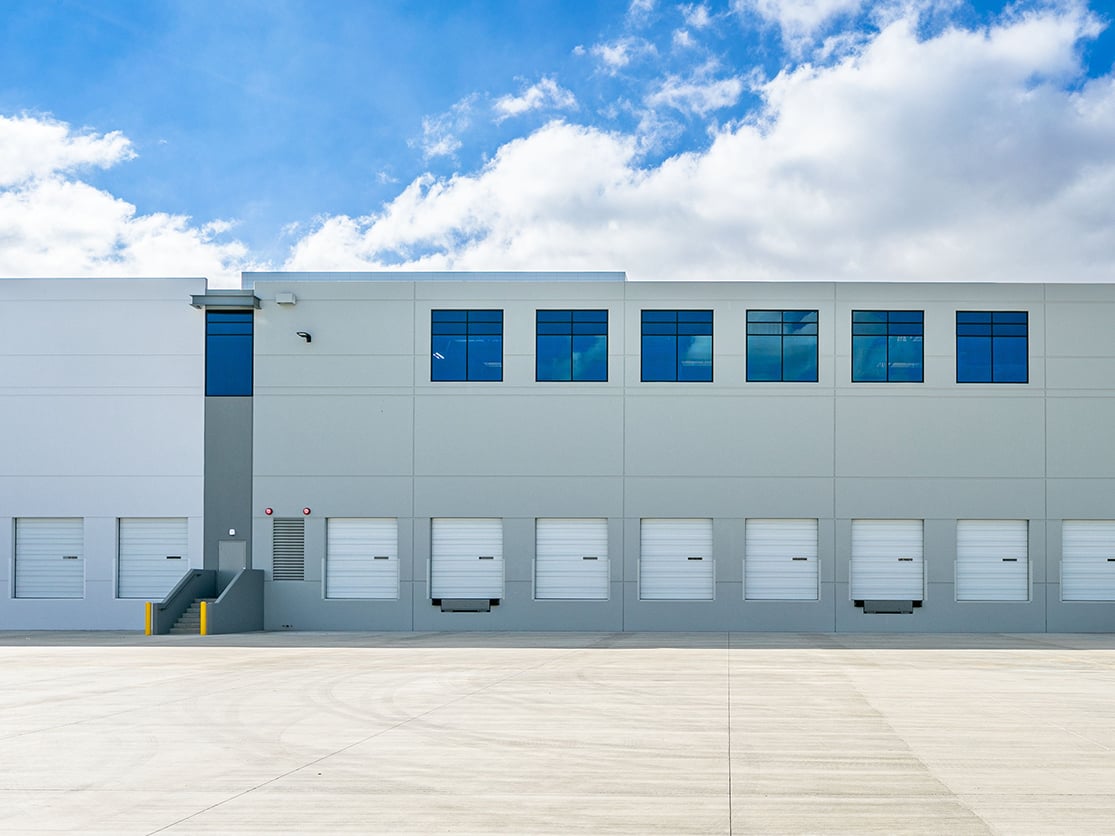
Realty Income Corp. has entered a strategic partnership with GIC focusing on logistics real estate development across the U.S. The programmatic joint venture will target build-to-suit properties that are fully leased on a long-term basis to tenants with investment-grade or equivalent credit. Combined capital commitments exceed $1.5 billion.
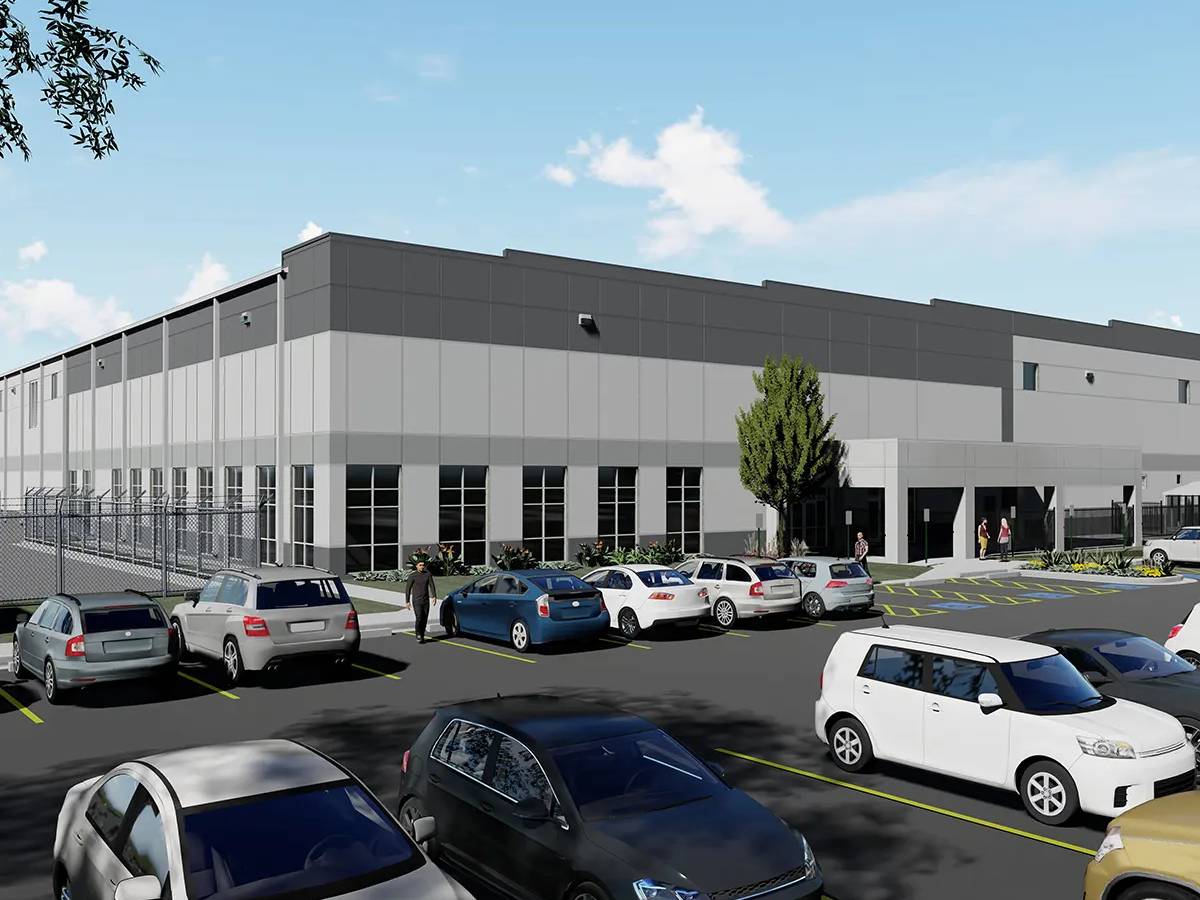
Properties acquired through the joint venture will be majority-owned by Realty Income. Greenhill—a Mizuho affiliate—advised Realty Income on the transaction, while CBRE Investment Banking served as exclusive financial adviser.
The partnership also extends to a build-to-suit industrial portfolio in Mexico valued at about $200 million, representing Realty Income’s first investment in the country. Realty Income and GIC—along with with development partner Hines—will jointly fund the collection’s construction, while Realty Income is set to acquire the properties at completion. The facilities, located in Mexico City and Guadalajara, are leased on a long-term net basis to Global Fortune 100 tenants.
LISTEN TO: Inside Industrial: Scale, Data & Decision Advantage
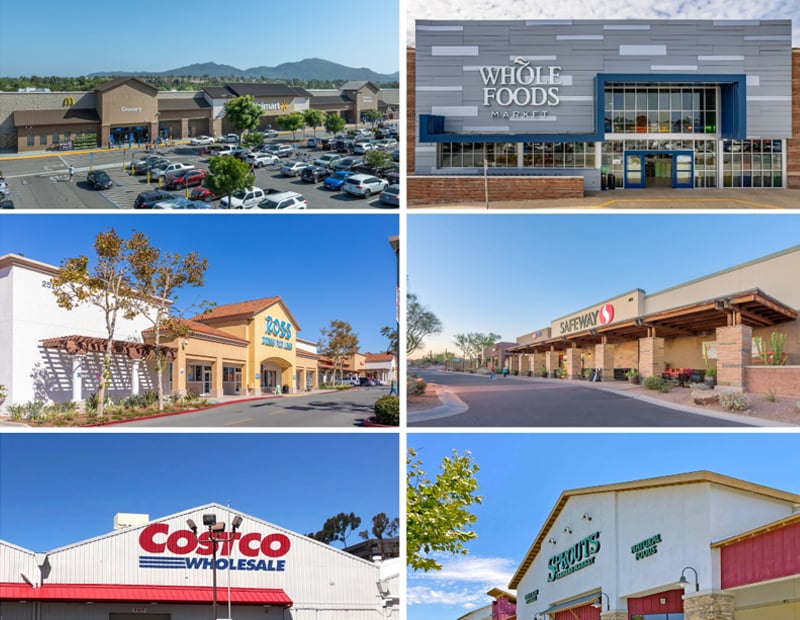
Founded in 1969, Realty Income owns more than 15,500 properties across the U.S., the U.K. and seven other European countries as of September 2025. The company has traditionally concentrated on retail real estate; now, the partnership with GIC expands its operations into the industrial sector, supporting its broader strategy to diversify capital sources and investment opportunities.
Industrial fundamentals favor build-to-suits
Industrial fundamentals moderated in 2025 as the sector continued to absorb a historic wave of new supply. More than 2.5 billion square feet of industrial deliveries were recorded between 2020 and 2024, pushing the national vacancy rate to 9.7 percent in November—up 220 basis points year-over-year, according to Yardi Matrix data.
Against this backdrop, the industrial outlook points to growing preference for build-to-suit and long-term leased facilities as occupiers prioritize certainty and supply-chain resiliency over speculative expansion, a shift that aligns with strategies centered on credit-backed logistics assets.



You must be logged in to post a comment.