
CPE Executive Council: Architectural Must-Haves for Commercial Properties
Sustainability, smart buildings, human-centric design and more. A look at what's ahead for CRE.

Commercial architecture is making some big changes. What is driving design choices for 2026? The CPE Executive Council weighs in.

The Great Outdoors
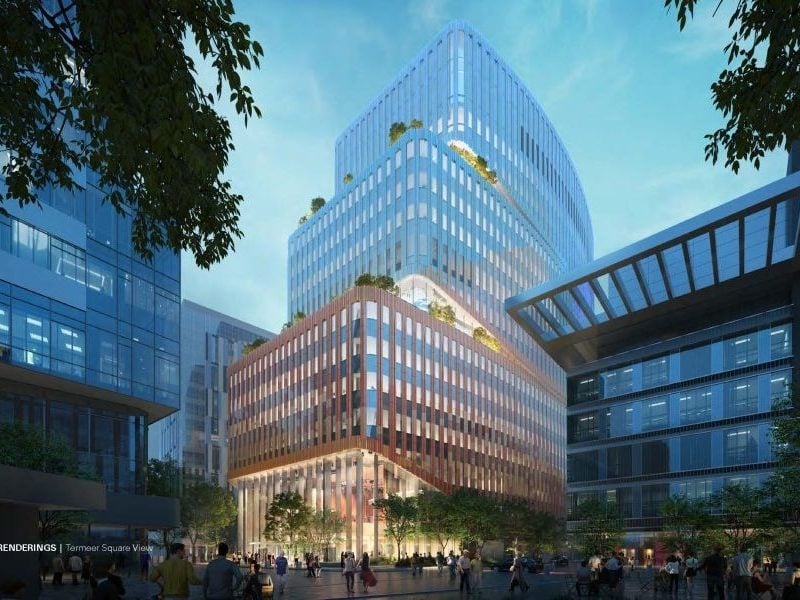
When it comes to office space, outdoor terraces/fresh air are must haves. Incorporating a space on an upper level office suite where you can experience the outdoors with fresh air and sunshine provides an environment where employees feel more at home and don’t feel confined. —Dave Ebeling, Owner, Ebeling Communications

Key Trends
In 2025, commercial architecture is undergoing a major transformation, with several key trends emerging as “must-haves” for property owners, developers and tenants. These trends reflect a shift toward sustainability, technology integration, wellness and adaptability. Here are the most impactful architectural trends shaping commercial properties today:
Smart and AI-Driven Buildings
Commercial spaces are increasingly equipped with AI-powered systems and IoT devices that automate lighting, HVAC, security, and energy usage. These smart buildings use real-time data to optimize operations and enhance occupant comfort.
Sustainability is no longer optional. Net-zero buildings produce as much energy as they consume, while Triple Net-Zero designs aim for net-zero energy, water, and carbon.
Example: The Bullitt Center in Seattle runs entirely on solar power and features rainwater harvesting.
Materials: Hempcrete, cross-laminated timber, and other carbon-sequestering materials are gaining popularity.
Biophilic and Wellness-Centered Design
Designs that incorporate nature—like green walls, indoor gardens, and natural ventilation—are becoming standard. These elements improve air quality, reduce stress, and boost productivity.
Example: Amazon Spheres in Seattle house over 40,000 plants in a rainforest-like workspace.
Wellness Features: Meditation rooms, fitness zones, and circadian lighting systems.
Flexible and Hybrid Workspaces
With hybrid work models on the rise, commercial buildings are adopting modular layouts, movable partitions, and multi-use zones.
Example: Microsoft’s Dublin campus features unassigned desks and collaborative zones.
Why It Matters: Flexibility supports diverse work styles and improves space utilization.
Adaptive Reuse and Renovation
Instead of demolishing old buildings, architects are transforming them into modern, sustainable spaces. This approach preserves cultural value and reduces construction waste.
Example: Historic warehouses converted into co-working hubs or community centers.
Modular Construction and Prefabrication
Prefabricated building components allow for faster, cost-effective construction with less waste.
Example: Citi Bank’s modular branch in New York was assembled quickly with minimal disruption.
Climate-Resilient and Disaster-Ready Design
Buildings are being designed to withstand extreme weather events, with features like flood defenses, backup energy systems, and heat-resistant materials.
Example: One Bryant Park in NYC includes on-site power generation and resilient glass facades.
Data-Driven and Human-Centric Design
Architects are using big data and analytics to optimize layouts, lighting, and air quality. Human-centric design focuses on comfort, ergonomics, and mental well-being .
Example: 22 Bishopsgate in London includes wellness zones, ergonomic workspaces, and personalized environments.
Mixed-Use Developments
Combining office, retail, and residential spaces in one complex promotes community engagement and convenience.
Sustainable Materials and Certifications
Eco-friendly materials like reclaimed wood, recycled steel, and low-VOC finishes are standard. Certifications like LEED and WELL boost property value and tenant appeal. —Doug Ressler, Manager, Business Intelligence, Yardi
Interested in joining the CPE Executive Council and being featured in future articles? Email Jessica Fiur.
You must be logged in to post a comment.