

The Rise of Retail-to-Office Conversions
Can dead malls become tomorrow’s dream offices? Some experts think so.

Once viewed as a last resort for struggling assets, retail-to-office conversions are emerging as a creative fix for two of commercial real estate’s most pressing challenges: stubborn retail vacancies and rising demand for flexible, creative work environments.
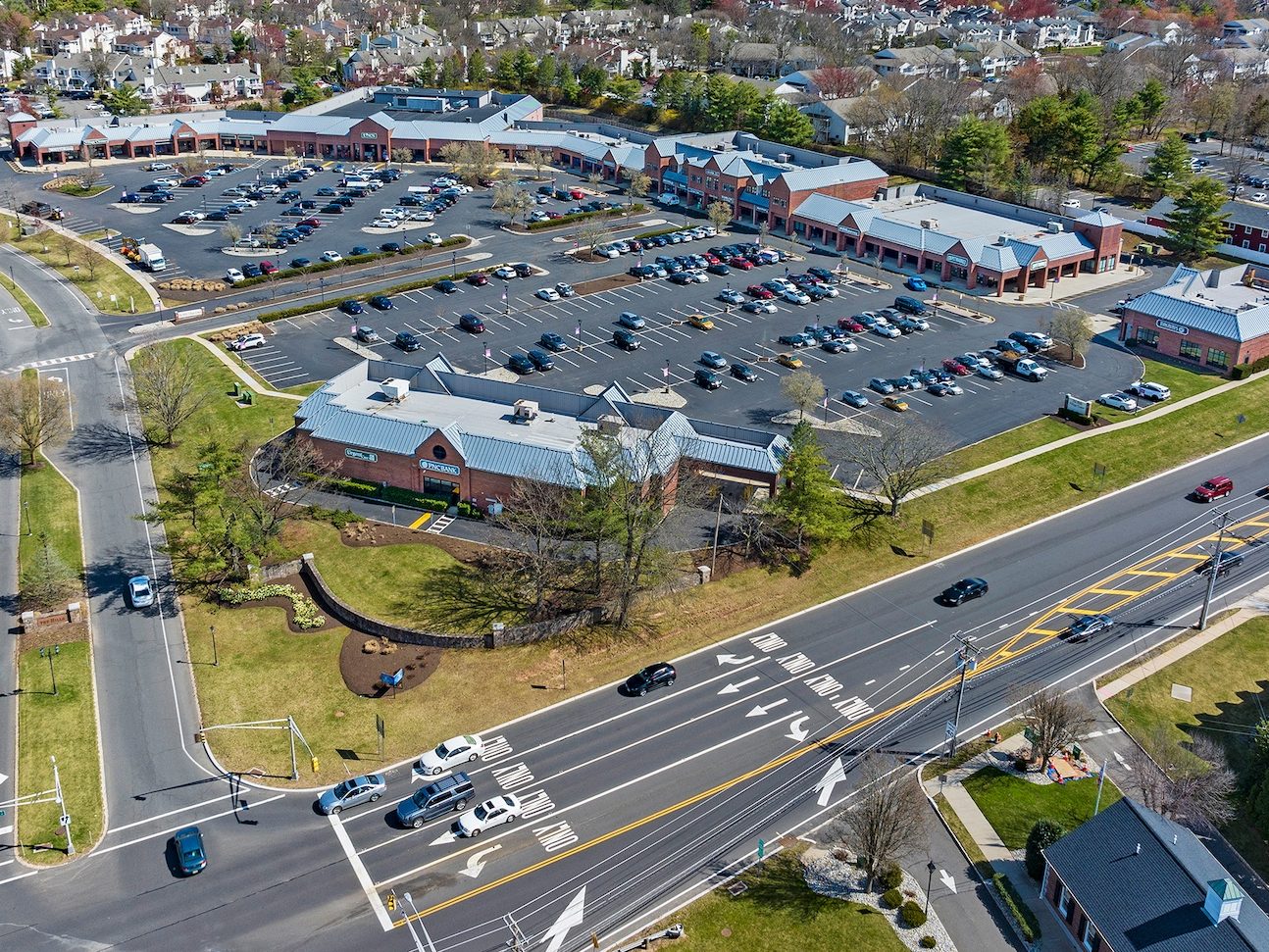
Though still a niche strategy, retail-to-office conversions are drawing growing interest from developers, designers and institutional investors alike. Their appeal lies in a rare combination of location, scale and adaptability—qualities that stand out as many traditional malls and big-box stores continue to grapple with declining foot traffic and shifting consumer habits.
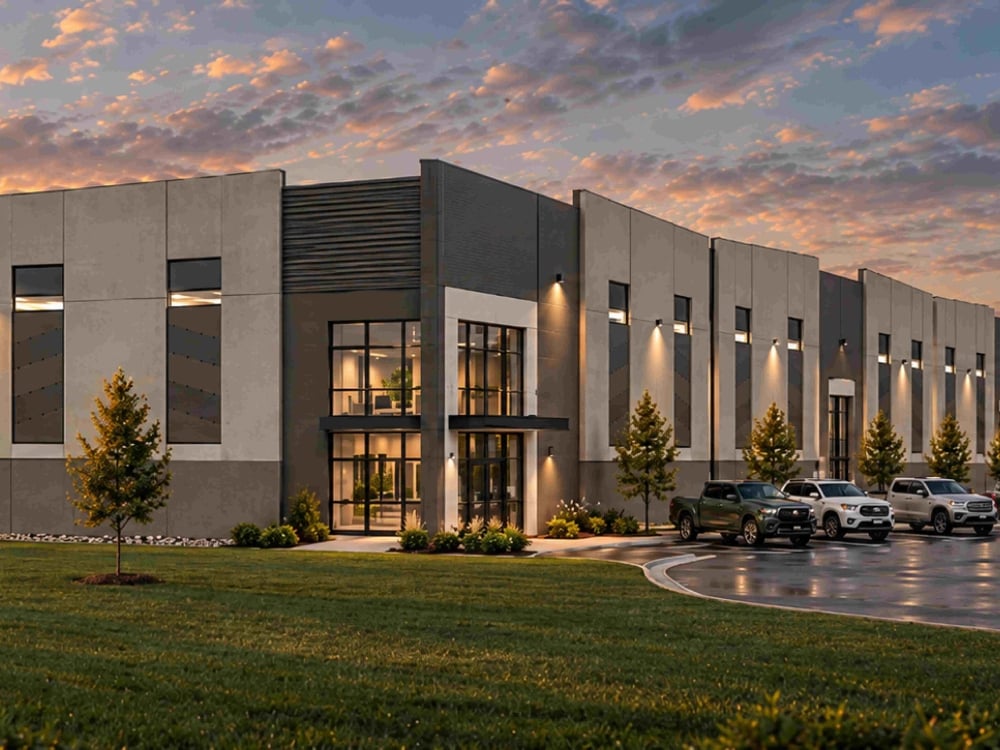
With the right partners and vision, these underused assets can become lively workplaces that meet the needs of modern office tenants, ultimately transforming a liability into a lasting source of value.
READ ALSO: Why Retail Belongs in Office Projects
Why retail-to-office conversions are gaining ground
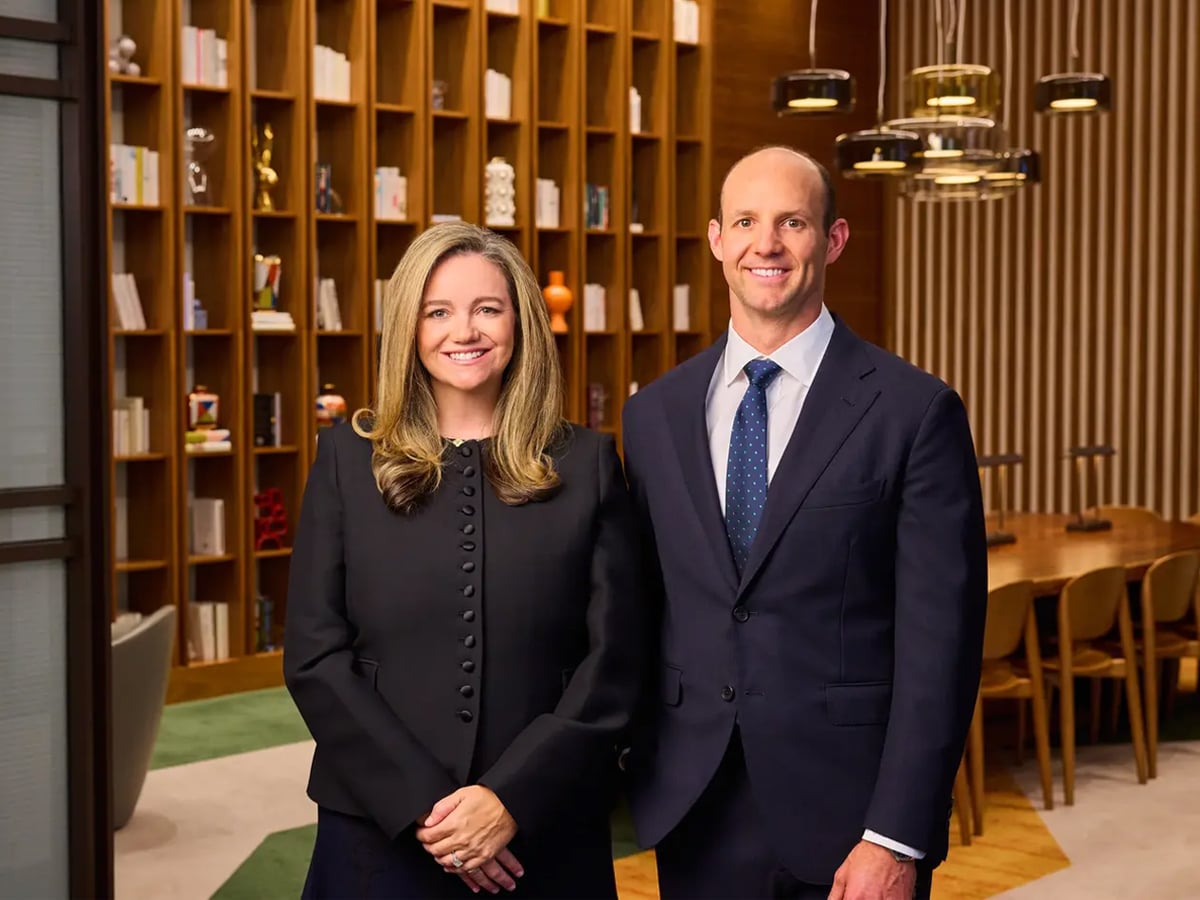
The collapse of traditional mall anchors—particularly in Class B and C properties—is creating fertile ground for such conversions, according to Deborah Smith, co-founder & CEO of CenterCap Group.
“Consumer appetites have shifted toward immersive experiences like entertainment and F&B that elevate retail space from mere shopping zones into destinations,” she said. “Retail-to-office conversions are emerging as a creative response, spurred by the return-to-office movement, the widening quality gap between trophy and secondary office spaces.”
Many aging retail structures offer inherent advantages such as open floorplans and strategic locations. These features make them ideal candidates for conversion into flexible, amenity-rich workplaces.
“In essence, repurposing retail into office space isn’t just practical—it’s a thematic match: breathing new life into old infrastructure that once anchored community life of past generations,” Smith added.
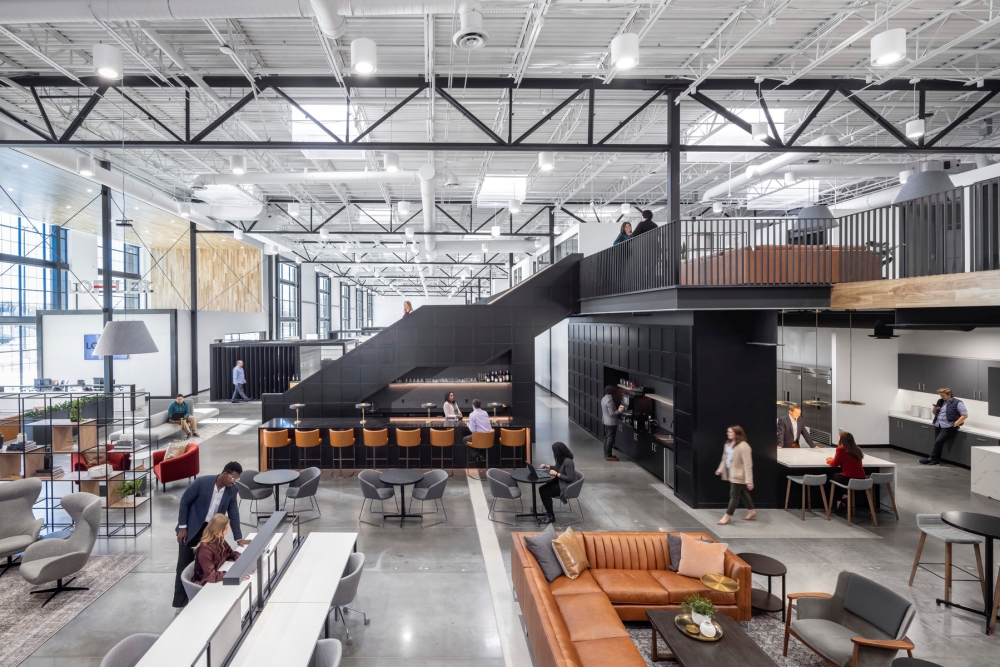
From a design perspective, there’s a lot of opportunity in the architectural bones of retail buildings, according to Deanne Erpelding, managing director with Gensler’s Minneapolis office. With generous floorplates and soaring ceilings, they can be reimagined as engaging workplaces that support collaboration, wellness and community.
“End users are driving these transformations, prioritizing collaboration, amenities and culture-building experiences that enrich daily life,” Erpelding said. “With their scale and adaptability, retail-to-office conversions offer a blank slate for designers to create flexible, hospitality-forward environments that bring teams together and transform underused structures into vibrant workplaces.”
Data from a 2024 CBRE office conversion report shows that developers are expected to remove 23.3 million square feet of office space this year—12.8 million through conversions and 10.5 million via demolitions. Although multifamily remains the dominant destination for conversion projects, retail-to-office initiatives are quietly gaining traction in select markets.
Cities like Dallas, Cleveland and Minneapolis are leading the charge, thanks to favorable demographics, civic support and an oversupply of aging retail assets. In Cleveland, for example, 8.4 percent of office inventory is either undergoing or is planned for conversion, driven by decades of adaptive-reuse experience and limited land availability.
READ ALSO: Top Retail Trends
Still, retail-to-office conversions remain a niche segment of the broader repositioning movement.
“Access to capital is the life blood of every real estate firm, so every strategy—especially niche plays—that we evaluate, must be viewed through the lens of institutional market appeal,” Smith said. “Filling out the capital stack for retail‑to‑office conversions hinges on a strategic, institutionally credible sponsor, especially given today’s high interest rates and lenders’ reluctance to finance distressed retail collateral.”
To mitigate risk, Smith recommends early de-risking strategies such as securing a committed tenant, signing a long-term lease or leveraging public-private partnerships.
Execution, challenges & financial realities
From an investment perspective, retail-to-office conversions often pencil out more favorably than retail-to-multifamily redevelopments. One reason is the potential to prelease space before completion, which provides a measure of financial certainty that’s rarely possible with multifamily projects.
Beyond financial factors, multifamily conversions also demand major structural, mechanical and regulatory upgrades to meet strict code requirements.
“As with any real estate project, it all comes down to location, purpose and tenants,” Smith emphasized. “Real estate is a local market business.”
Still, that doesn’t mean retail buildings, especially big-box stores, come without challenges. As Erpelding notes, mechanical, electrical and plumbing systems often need modernization, and HVAC systems must be reinforced to support open office occupancy.
“Occupancy codes require careful review, particularly when mezzanines or accessibility features are introduced,” she said.
Another major hurdle can be the lack of natural light in deep floorplates.
“Strategic interventions like carving lightwells, adding windows or introducing new walls help bring daylight into the space,” Erpelding said. “Retail properties rarely offer the kind of arrival sequence expected in purpose-built office buildings, so we create hospitality-inspired lobbies to elevate the user experience.”
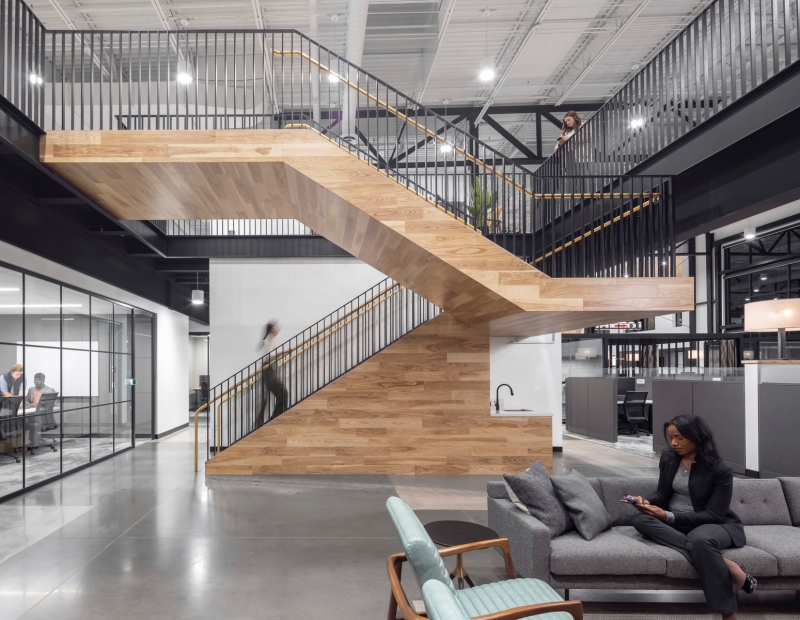
That’s exactly what Gensler did for Loffler Cos.’ headquarters in St. Louis Park, Minn. The team transformed a former Sam’s Club into a Class A office with open catwalks, bold diagonal stairs and floor-to-ceiling stadium seating. Amenities such as a café, fitness center, yoga studio and golf simulator were added, as well as a 3,000-square-foot outdoor veranda.
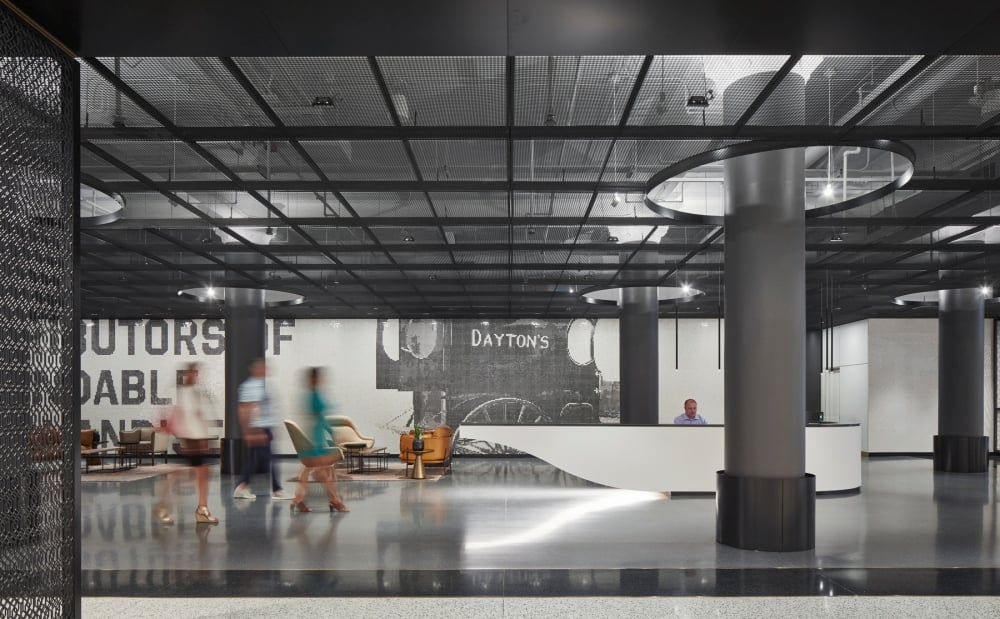
Another standout redevelopment that Gensler worked on is The Dayton’s Project, a century-old department store in downtown Minneapolis that was transformed into a mixed-use hub featuring a private lounge, library, fitness center and rooftop terrace.
“These projects show how retail spaces of all scales can be reimagined as character-filled workplaces,” said Erpelding.
What’s next?
Looking ahead, Smith expects investor interest to stay measured. “It’s a challenging capital raising environment right now, which naturally slows momentum,” she said.
Even so, there’s growing institutional interest in niche asset classes in general—but this niche is nascent. For now, the size of the addressable market is simply unclear.
“Proof of concept is likely needed before institutional investors make any substantive move—meaning for now, conversions will largely remain one-off projects,” Smith noted.
Even as investors tread carefully, Erpelding sees greater potential for conversions within the broader office supply pipeline. While they won’t solve every vacancy issue, these projects highlight the underlying adaptability of retail assets. Over time, she expects to see more creative hybrid models to emerge—mixing office, coworking, health care, residential and other uses.
Not everyone shares that optimism, though. CBRE Americas Retail Investor Leader Todd Caruso remains skeptical that retail-to-office conversions will become a widespread strategy, calling them more of a “defensive move” than a lasting trend.
Smith and Erpelding, however, see something larger at play. For them, conversions aren’t merely about repurposing square footage—they’re about reimagining the role of place itself, and how work, life and community intersect.
“Retail is changing. It isn’t dead. With change comes opportunity,” Smith said.
For that opportunity to endure, conversions must be strategic, not reactive. The projects that succeed will be those that align with real market demand, community needs and long-term vision. And as cities look to breathe new life into downtowns—and developers seek cost-effective, sustainable solutions—retail-to-office conversions may well define the next chapter of commercial real estate and the future of office space: one shaped by creativity, pragmatism and purpose.

You must be logged in to post a comment.