


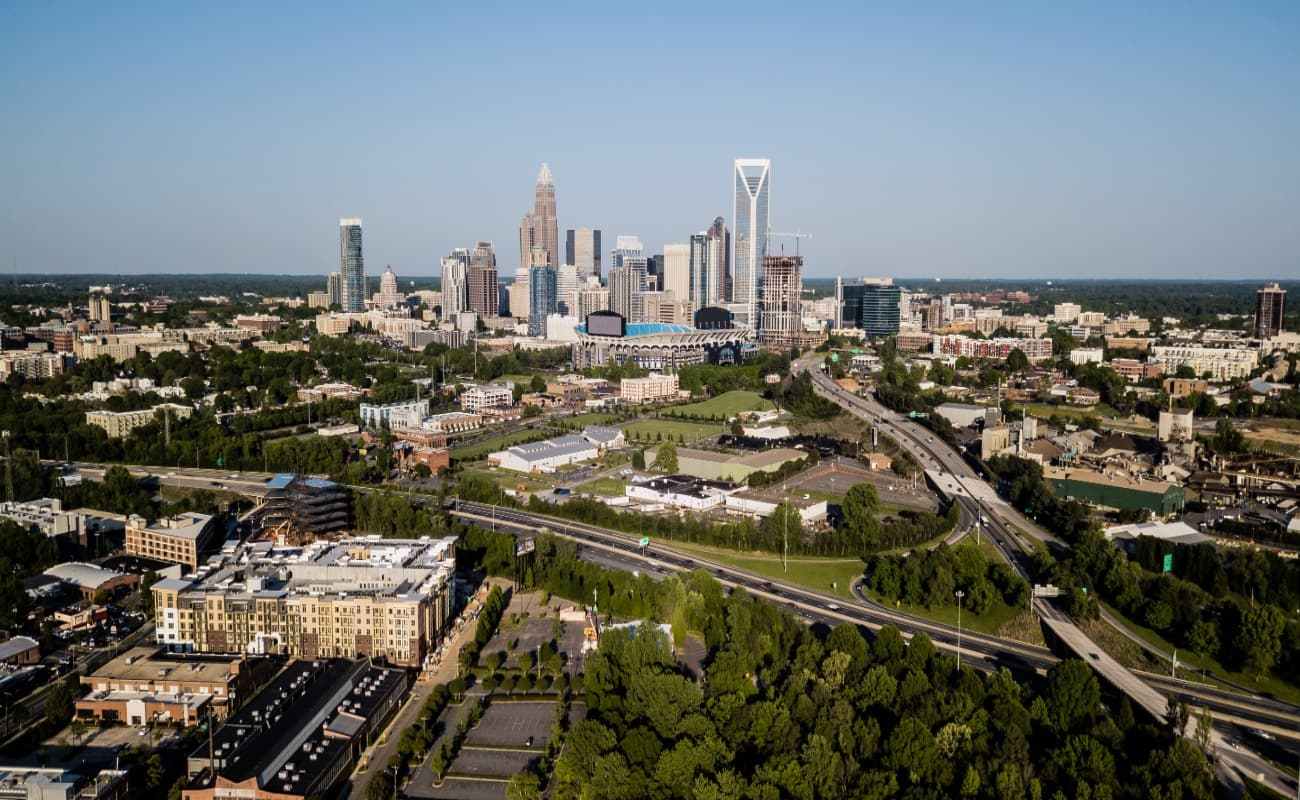





Apollo Global Management has agreed to acquire a majority interest in Stream Data Centers from Stream Realty Partners with plans to add 650 megawatts of new hyperscale capacity in Chicago, Atlanta and Dallas. The transaction…

CoreWeave has taken another step in its strategy to move from leasing to owning data center capacity by acquiring a Kenilworth, N.J., facility that it began leasing less than a year ago. The Livingston, N.J.-based…

The Durst Organization has arranged a $1.3 billion loan backed by commercial mortgage-backed securities for its One Five One office tower in Times Square. Financing for the 48-story, 1.8-million-square-foot building in Manhattan will be provided…

Between 2014 and 2023, the total number of people who switched jobs continued to grow, effectively only recording a somewhat noteworthy dip at the very onset of the pandemic in 2020. At the start of…
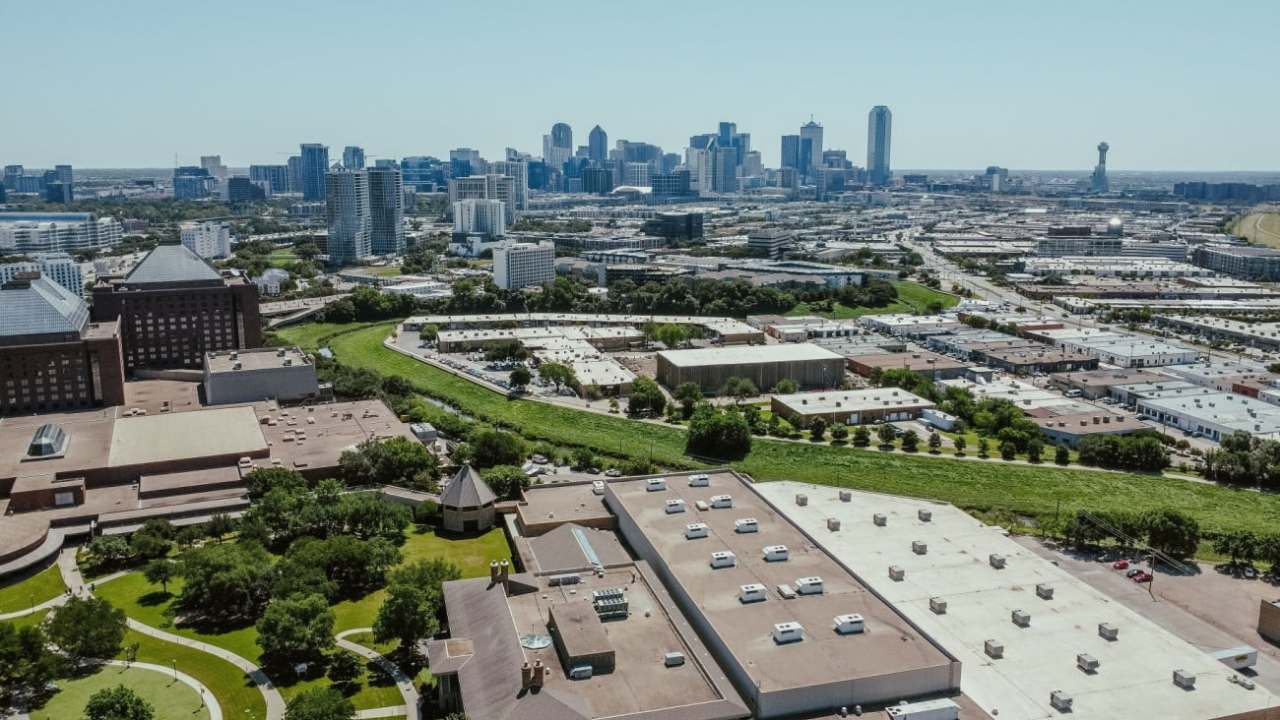
Ackerman & Co., in partnership with Belgian investor Baltisse, has acquired Midway Business Park, a 12-building, 258,846-square-foot industrial portfolio in East Fort Worth, Texas. The deal closed in July and marks Ackerman’s second major industrial…

Lovett Industrial broke ground last week on the second phase of its 610 Business District in Houston. The new phase will add 537,000 square feet across four shallow-bay buildings that are between 53,000 and 219,000…
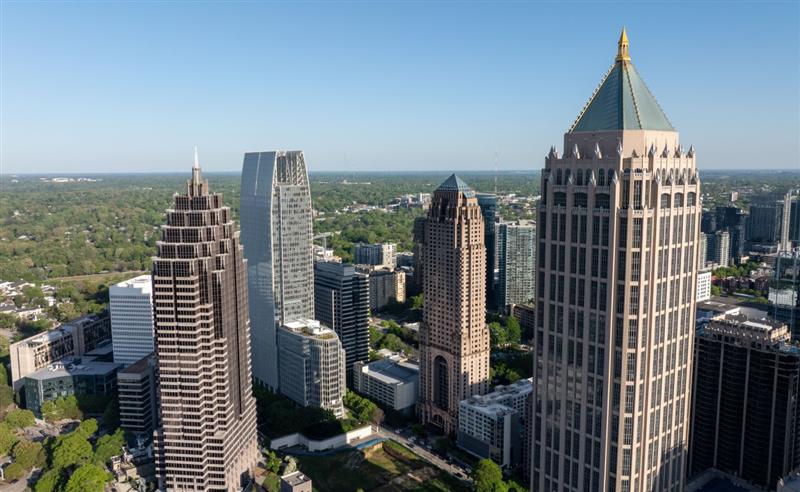
Electric vehicle maker Rivian is establishing its East Coast headquarters in Atlanta by leasing 45,000 square feet at Junction Krog District, a newly built office building along the BeltLine’s Eastside Trail. The company announced the…

Office-to-residential conversions have long been discussed as a potential solution to underused office stock. Now, in Manhattan, N.Y., that conversation is starting to turn into real movement. Developers are acting on both recent city-led initiatives…

Lovett Industrial, in partnership with Clarion Partners, is planning a major new development in East Austin, Texas. The proposed industrial park — named Fusion 130 — will total 1.5 million square feet across nine buildings…

WeWork has signed a 10-year lease for approximately 60,000 square feet at 250 Broadway — its first coworking deal in New York City since 2019 and its first in the U.S. since emerging from Chapter…